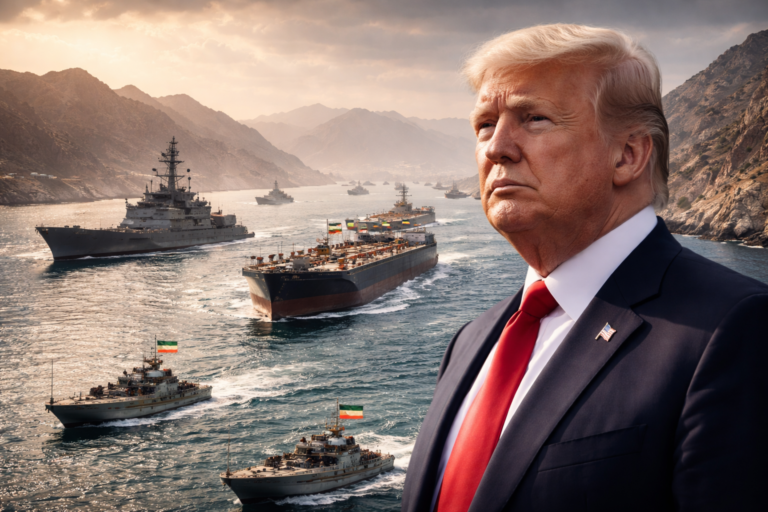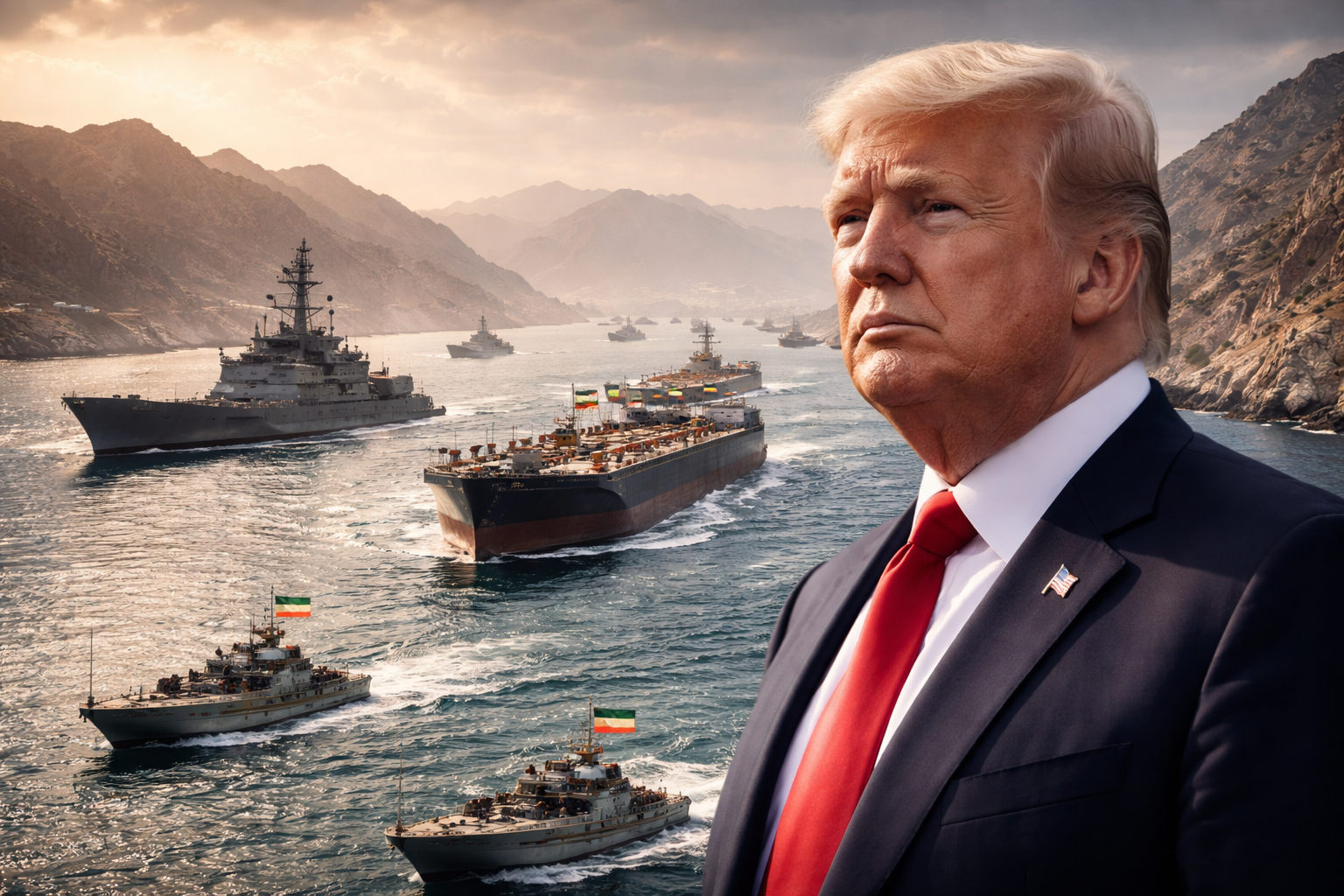
U.S. President Donald Trump has said that taking control of Iran’s oil resources remains “an option,” while raising concerns over Tehran’s growing influence in the strategically vital Strait of Hormuz, a key artery for global energy supply.
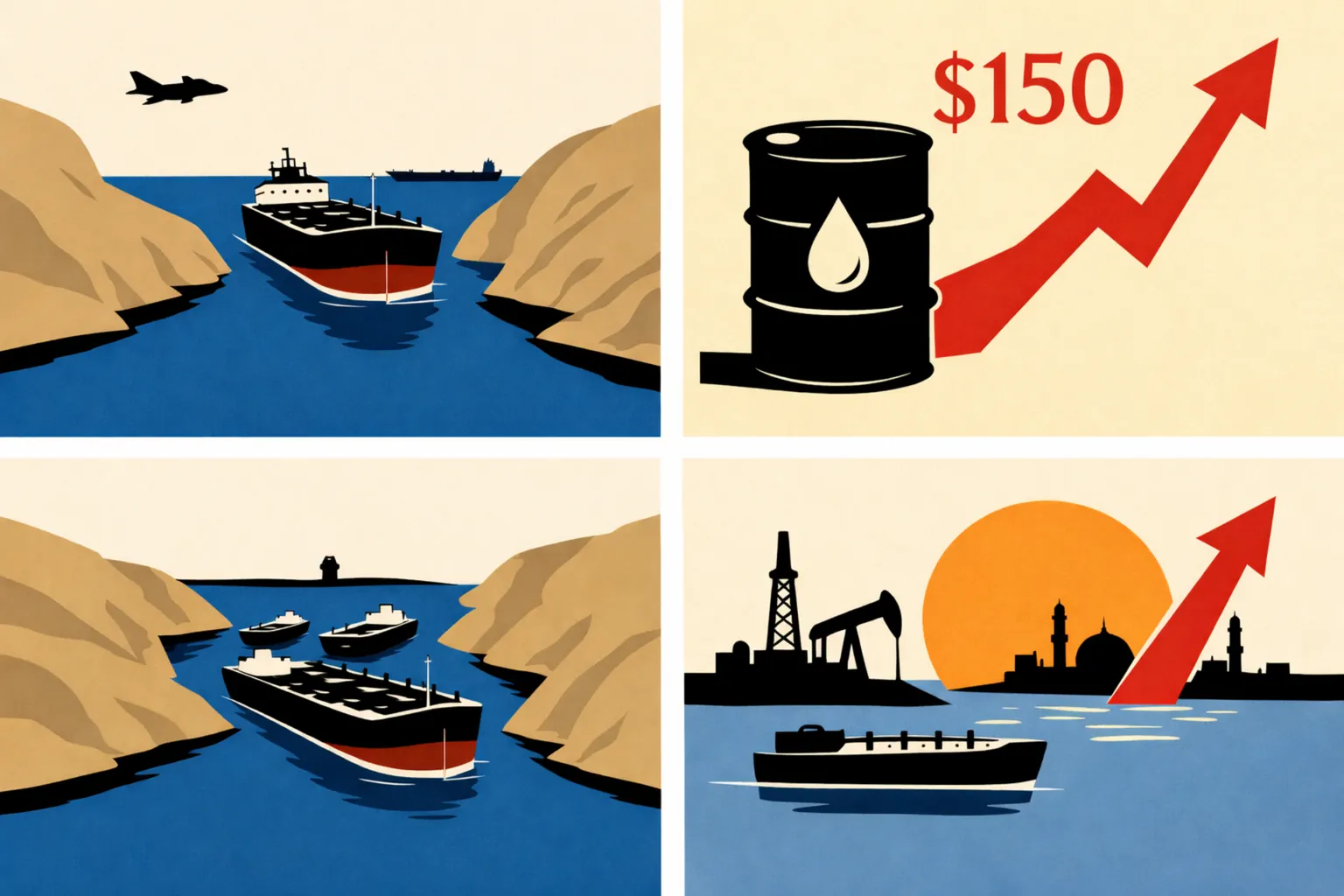
Speaking amid escalating tensions in the Middle East, Trump argued that Iran “should not be allowed” to charge tolls or exert control over vessels passing through the narrow waterway, which handles a significant share of the world’s oil shipments. Reports indicate that Iran is considering measures to impose charges on ships transiting the strait, a move that has heightened global energy security concerns.
Trump also disclosed what he described as a recent “gesture” from Iran, claiming that Tehran allowed the passage of ten oil tankers through the Strait of Hormuz as a form of goodwill. He framed the development as a signal that negotiations with Iranian authorities could be progressing.
The comments come against the backdrop of ongoing geopolitical tensions and disruptions to maritime traffic in the region. The Strait of Hormuz remains a critical chokepoint, with any restriction or perceived control by Iran capable of triggering sharp volatility in global oil markets and supply chains.
Energy and industry leaders have warned that any attempt to limit access or impose fees on transit through the route could have far-reaching economic consequences. Such actions have been described as destabilizing to global trade, given the strait’s importance to fuel exports from major oil-producing nations
Trump’s remarks underscore a broader strategic contest over energy security and maritime control in the Gulf, as policymakers weigh military, diplomatic, and economic responses to Iran’s actions in the region.