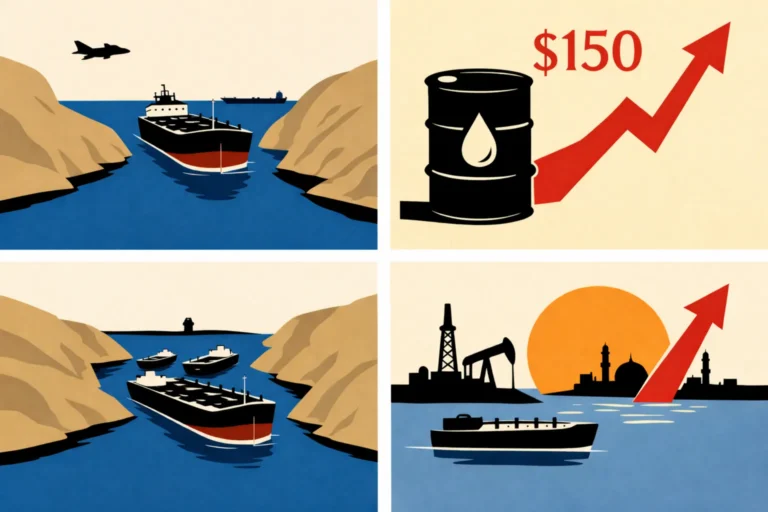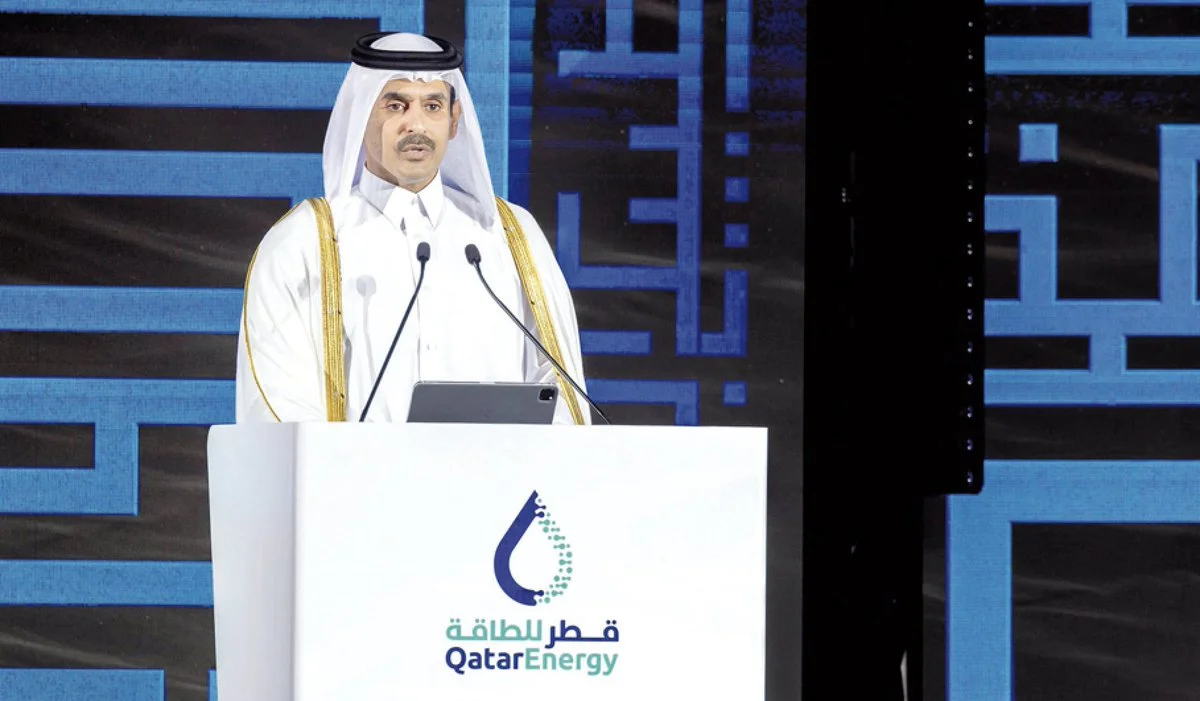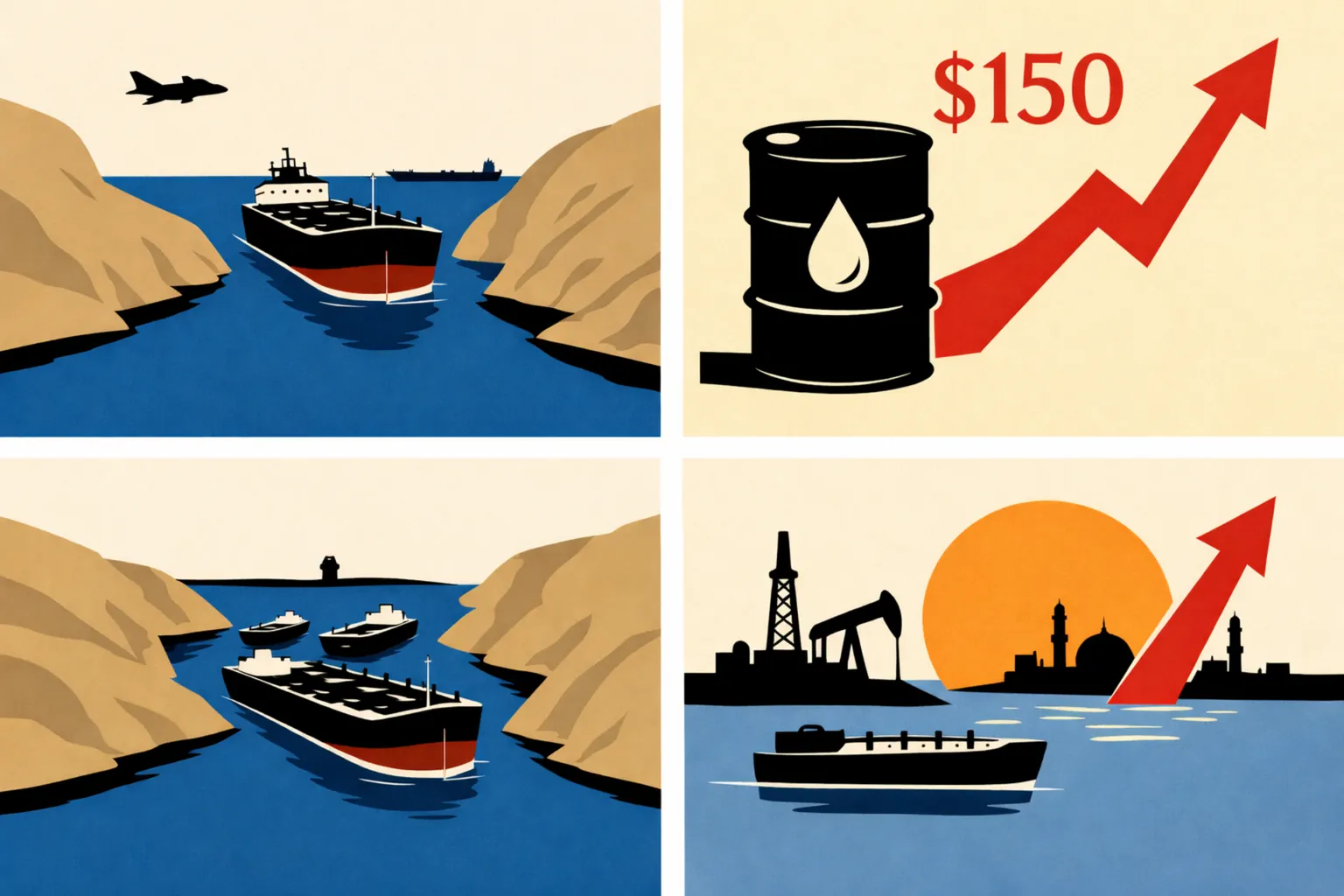
Qatar’s energy minister, Saad Al-Kaabi, has warned that crude oil could surge to $150 per barrel within two to three weeks if tankers and merchant vessels remain unable to move through the Strait of Hormuz, the world’s most important oil shipping chokepoint. He made the remark in an interview with the Financial Times, as the Middle East conflict continued to disrupt energy flows and unsettle global markets.
The warning matters because the Strait of Hormuz is not a marginal route. According to the U.S. Energy Information Administration, oil flows through the strait averaged about 20 million barrels per day in 2024, equivalent to roughly 20% of global petroleum liquids consumption. That means a prolonged disruption is not merely a regional shipping problem; it is a direct threat to the balance of the global oil market.
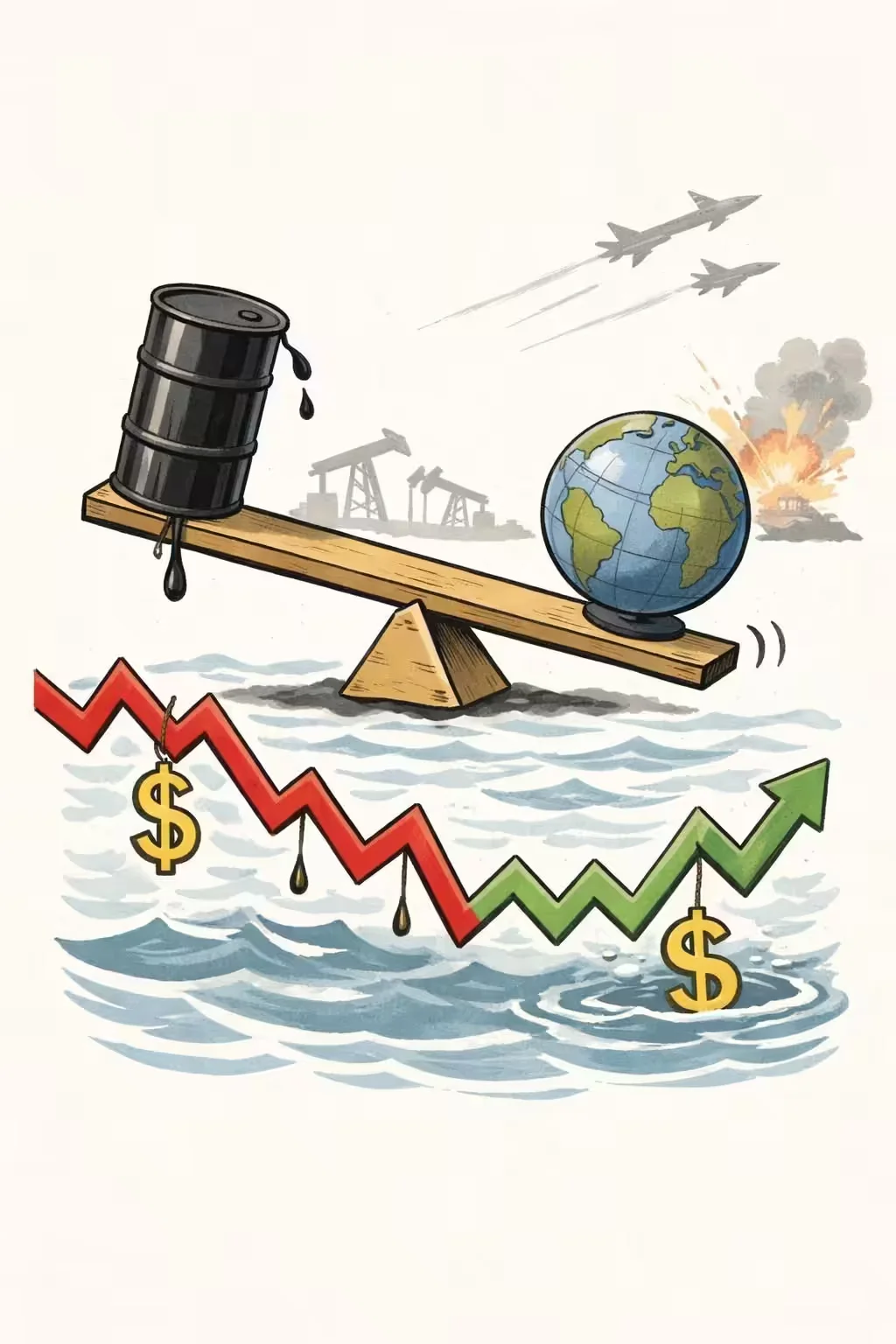
Markets are already reacting. Reuters reported on Friday that Brent crude had climbed to about $87.50 a barrel, up roughly 20% this week, while U.S. benchmark WTI rose to around $84.77, marking the sharpest weekly oil gain since Russia’s 2022 invasion of Ukraine. The immediate trigger has been the disruption to tanker traffic through Hormuz after the conflict widened.
Al-Kaabi’s warning is therefore less a dramatic outlier than an extreme-case scenario built on a simple market logic: if a fifth of world oil supply is trapped behind a geopolitical chokepoint for long enough, prices reprice violently. Reuters separately reported earlier this week that analysts at Bernstein saw $120 to $150 oil as possible in an extreme prolonged-conflict case, while Macquarie’s Vikas Dwivedi said the world might manage a one- or two-week disruption, but the impact would escalate sharply by a third or fourth week.
For gas markets, the risks are similarly severe. Reuters reported that Qatar had already suspended LNG production earlier in the week amid the expanding conflict, and Al-Kaabi warned that gas prices could jump to $40 per million British thermal units if the crisis drags on. That would intensify the inflationary pressure already building in Europe and Asia and complicate central bank plans for rate cuts.
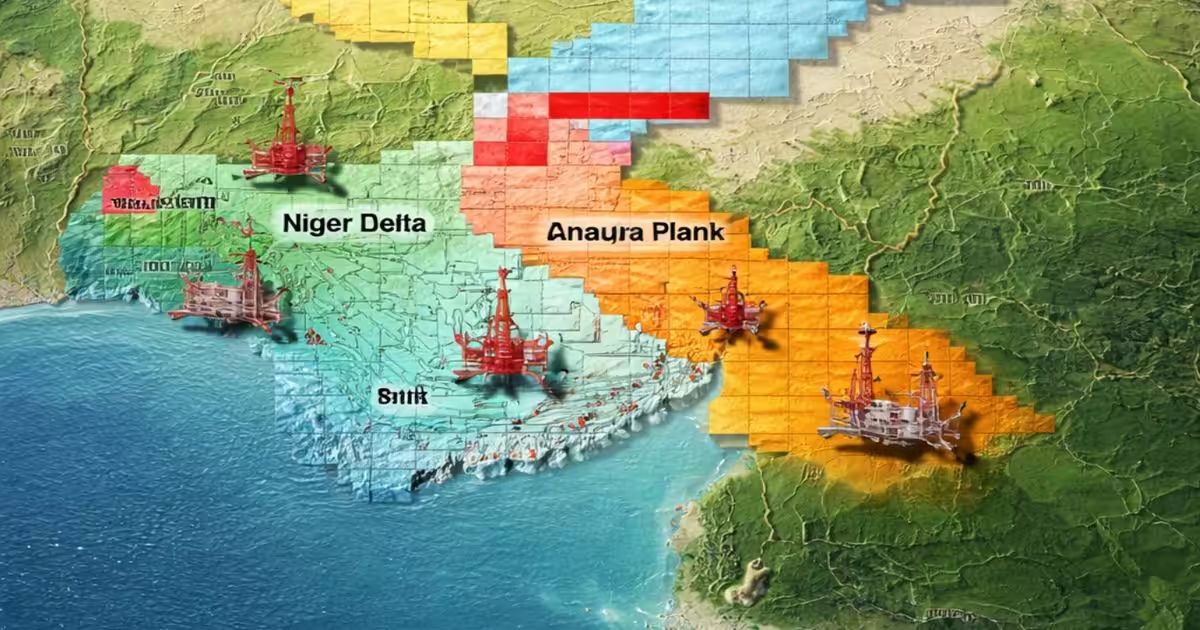
For Nigeria, a sharp oil rally presents a familiar paradox. On paper, higher crude prices improve the country’s fiscal position because the 2026 federal budget was built on a benchmark of $64.85 per barrel. Any sustained move well above that level should strengthen oil export earnings and government revenue, provided production volumes hold up and remittance leakages are controlled.
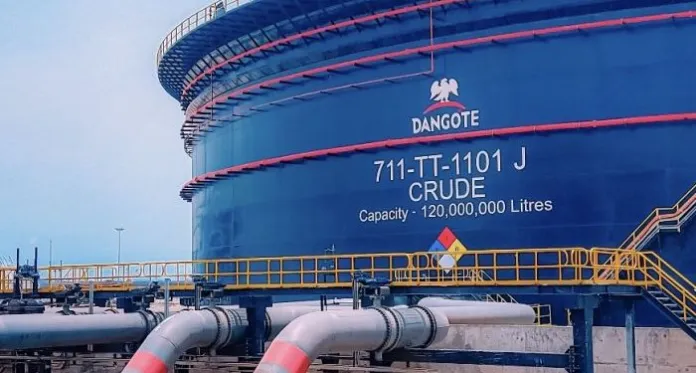
But the gain would not be costless. Nigeria still remains exposed to imported fuel and to the broader inflationary effects of higher energy costs, even with Dangote Refinery raising domestic supply. Reuters reported as recently as this week that Dangote has been issuing tenders to sell gasoil and jet fuel cargoes, underscoring its growing role, but Nigeria’s downstream system is not yet insulated from global price shocks. A sustained surge toward $150 oil would likely feed into freight costs, refined product pricing, inflation expectations and exchange-rate pressure.

That is why Al-Kaabi’s warning deserves attention in Abuja as much as in Doha, London or Washington. For an oil producer like Nigeria, very high prices can look like windfall territory. In practice, they often bring a more complicated mix of fiscal relief, macroeconomic stress and renewed pressure on domestic energy pricing.
The immediate question now is whether the Strait of Hormuz disruption proves brief or durable. If shipping resumes soon, the market may retreat from panic pricing. But if vessels remain blocked through mid-March, the world could move quickly from a risk premium story to a real physical supply shock — the kind that makes $150 oil no longer a speculative headline, but a tradable market reality.