Global oil prices pulled back from earlier highs after reports emerged that finance ministers from the Group of Seven (G7) are considering a coordinated emergency release of strategic petroleum reserves to stabilise energy markets.
The international benchmark Brent crude was trading at $107.20 per barrel on Monday morning, representing a 15.65% increase on the day, while the U.S. benchmark West Texas Intermediate stood at $103.18 per barrel, up 14.26%.
Emergency Talks to Stabilise Markets
According to a report by the Financial Times, G7 officials are set to hold an emergency call in New York alongside the head of the International Energy Agency, Fatih Birol, to discuss the possibility of releasing crude oil from strategic reserves.
The proposed move would involve coordinated releases from national petroleum stockpiles maintained by major economies to ease supply concerns and cool surging prices.
Strategic petroleum reserves are typically deployed during severe supply shocks such as wars, major natural disasters, or disruptions to global energy flows.
Three G7 countries, including the United States, are already backing the move. U.S. officials are reportedly considering tapping 300–400 million barrels — roughly 25–30% of the entire IEA public emergency stockpile system.
IEA member states currently hold more than 1.24 billion barrels of government-controlled reserves, with an additional 600 million barrels in industry stocks that could also be mobilised.
The reserves were originally created after the 1973–74 oil crisis precisely to stabilise markets during major supply disruptions. They have been used collectively only five times in the IEA’s history, most recently in 2022 following Russia’s invasion of Ukraine.
What a Coordinated Release Would Mean
For oil markets: A release of this magnitude would represent one of the largest coordinated draws in history and could quickly ease the current price spike.
For consumers and economies: Lower pump prices and reduced inflationary pressure, especially critical as many G7 nations battle sticky energy-driven inflation.
For energy security: Signals to markets that major consuming nations are prepared to act decisively to prevent a full-blown supply crisis.
Biggest Daily Surge Since 2020
Even with the pullback from intraday highs, oil remains on track for its largest single-day gain since 2020, reflecting intense volatility in energy markets.
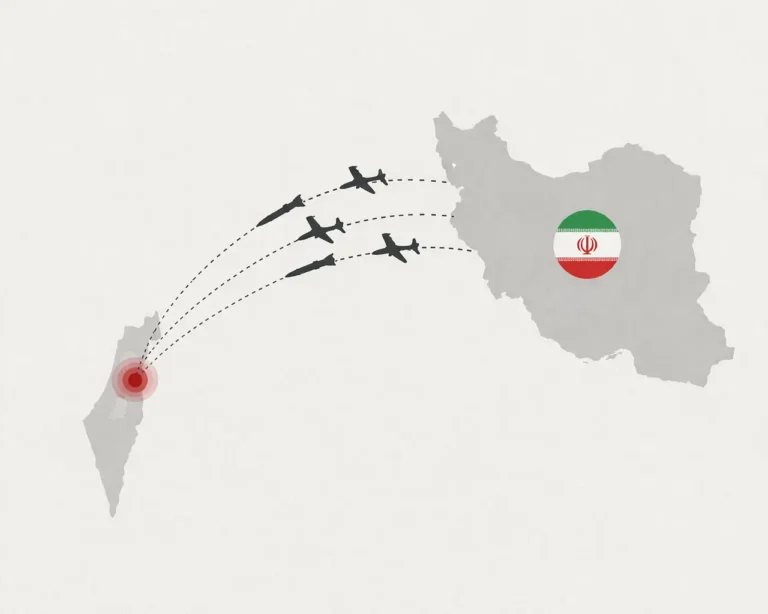
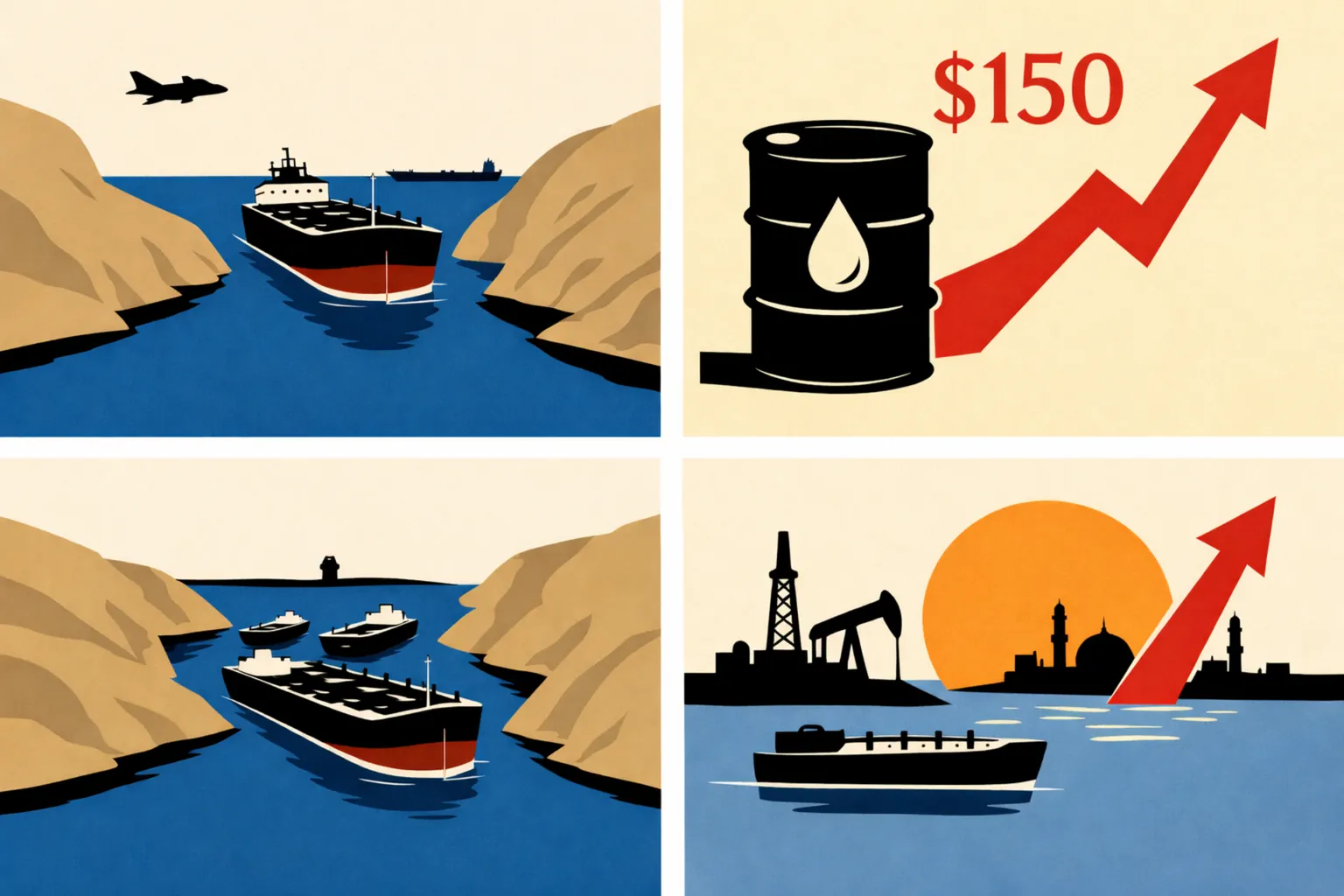
Traders have been reacting to escalating geopolitical risks in the Middle East, a region that accounts for roughly a third of global oil supply. Any potential disruption to production or transport routes could significantly tighten global supply.

Energy analysts say the mere discussion of a coordinated reserve release can temporarily dampen price spikes by signalling that governments are prepared to intervene in markets.
However, they caution that such releases typically offer only short-term relief if underlying supply risks persist.