Nigerian energy company Oando has unveiled plans to raise up to $750 million to finance an aggressive drilling campaign aimed at tripling output.
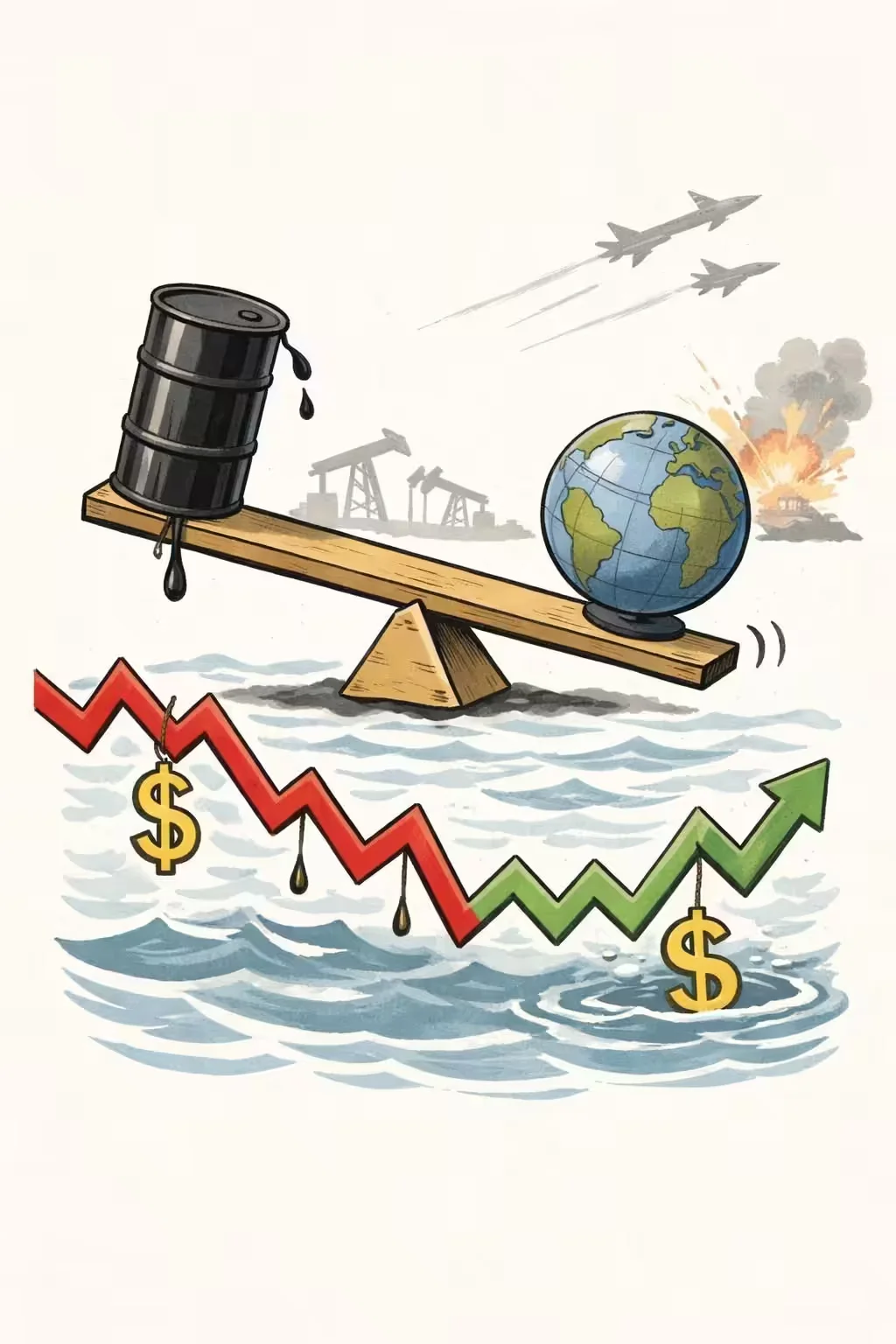
Speaking to Reuters, CEO Wale Tinubu said the company intends to drill as many as 100 wells, focusing on assets acquired from international oil majors such as ConocoPhillips and Eni. The move comes as global energy markets react to geopolitical disruptions, particularly tensions linked to the Iran conflict.
Tinubu indicated that shifting global dynamics are driving renewed investor interest in African oil producers. With instability affecting traditional supply routes—especially around the strategically critical Strait of Hormuz—buyers are increasingly turning to West Africa for reliable crude supply.
“Africa is now seen as comparatively stable,” Tinubu said, noting that this perception shift is unlocking new financing channels that were previously constrained by risk concerns.
Historically reliant on European lenders, Oando is now pivoting toward alternative funding sources after many European banks scaled back support for hydrocarbon projects due to climate policies. The company is engaging institutions such as the African Export-Import Bank and the African Finance Corporation, alongside global commodity traders including Vitol, Trafigura, Glencore, and Mercuria.
Despite this growing interest, Tinubu emphasized the need for deeper, long-term capital pools within Africa itself, suggesting pension funds and domestic investors could play a larger role in financing large-scale energy projects.
Oando Expansion Strategy
Oando’s expansion strategy extends beyond Nigeria, with recent entry into Angola and exploratory moves in Ghana and Ivory Coast. Tinubu framed these efforts as part of a broader push to capitalize on what he described as enduring volatility in global energy supply chains.
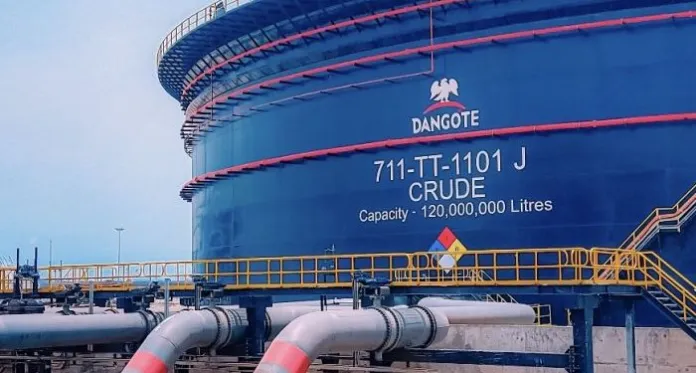
Nigeria’s domestic energy landscape is also evolving. Tinubu pointed to the impact of reforms under President Bola Tinubu, including subsidy removal and currency adjustments, as well as the operational ramp-up of the Dangote Refinery. According to him, these changes are reducing the country’s dependence on fuel imports, which are now largely limited to pricing benchmarks or temporary supply gaps.
Looking ahead, Oando plans to deepen its footprint in gas utilization, targeting petrochemical and fertilizer production as part of a broader value-add strategy.
Tinubu concluded that even if geopolitical tensions ease, structural disruptions in global energy flows are likely to persist—keeping investor attention firmly fixed on Africa’s oil and gas reserves.