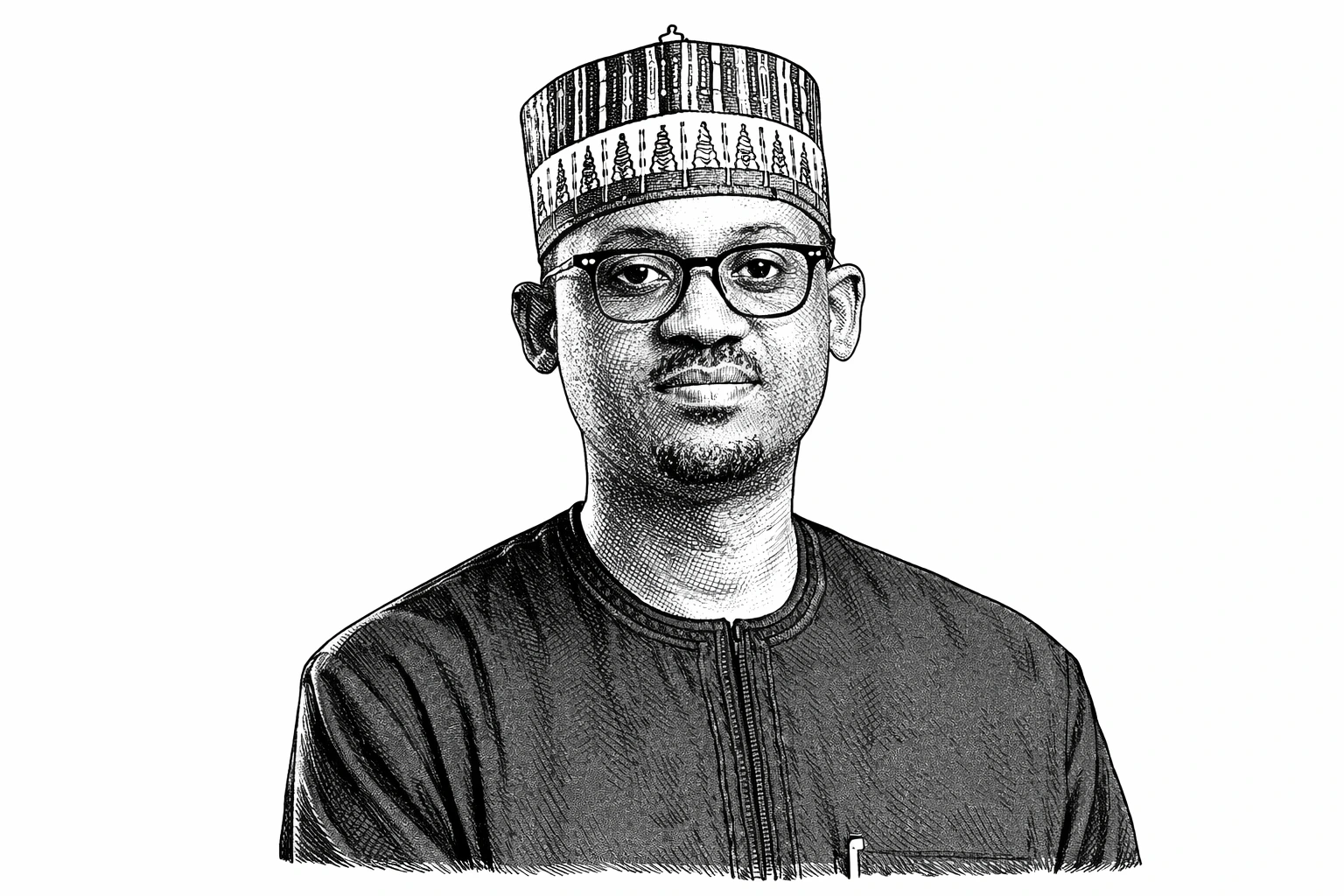
Nigeria’s former LNG executive Philip Mshelbila has formally assumed office as Secretary General of the Gas Exporting Countries Forum (GECF), taking the helm of the influential gas producers’ organisation at a moment of heightened global focus on energy security, transition, and development.
Mshelbila was received at the Forum’s headquarters in Doha, where he marked the start of his tenure with a call for closer collaboration among member countries and a constructive global dialogue on the future role of natural gas.
Tribute to Outgoing Leadership
In his first remarks as Secretary General, Mshelbila paid tribute to his predecessor, Mohamed Hamel, acknowledging his “exemplary leadership and stewardship” and the strong institutional foundations he leaves behind.
He noted that under Hamel’s tenure, the GECF strengthened its credibility and relevance as a global platform for engagement on natural gas, particularly at a time when geopolitical tensions and energy market volatility have sharpened interest in secure and reliable gas supply.
Natural Gas and the Energy Transition
Mshelbila underscored that natural gas will remain central to a balanced and inclusive energy transition, especially for developing economies seeking growth while lowering emissions intensity.
He stressed that the GECF has a responsibility to contribute “thoughtfully and constructively” to global conversations on sustainability, energy security, and development—positioning gas not as a transitional afterthought, but as a strategic fuel supporting industrialisation, power generation, and cleaner energy systems.
Philip Mshelbila: From Nigeria LNG to Global Gas Diplomacy
Mshelbila brings to the role decades of operational and commercial experience from Nigeria’s gas sector, most notably as Managing Director of Nigeria LNG Limited, one of the world’s leading LNG export projects and a cornerstone of Nigeria’s gas monetisation strategy.
His appointment is widely seen as a recognition of both his personal track record and Nigeria’s growing prominence in global gas diplomacy, as Africa’s largest gas reserves holder seeks deeper integration into global LNG markets and long-term gas supply chains.
GECF’s Strategic Weight
The Gas Exporting Countries Forum represents many of the world’s leading natural gas producers, collectively accounting for a substantial share of global gas reserves, production, and LNG exports.
The organisation serves as a platform for policy coordination, data exchange, market analysis, and producer–consumer dialogue.
Mshelbila’s assumption of office comes at a time when gas-exporting countries are navigating complex dynamics: fluctuating LNG prices, accelerating energy transition policies, infrastructure investment gaps, and rising demand from Asia and parts of Africa.

With his emphasis on collaboration, institutional strength, and pragmatic energy transition pathways, Mshelbila’s leadership is expected to reinforce the GECF’s role as a stabilising voice in global energy discussions.
For Nigeria and other gas-producing countries, his tenure also highlights the increasing influence of producer-led platforms in shaping how gas fits into the world’s evolving energy mix.