Nigeria’s banking sector has entered its final hours of one of the most consequential financial reforms in decades.
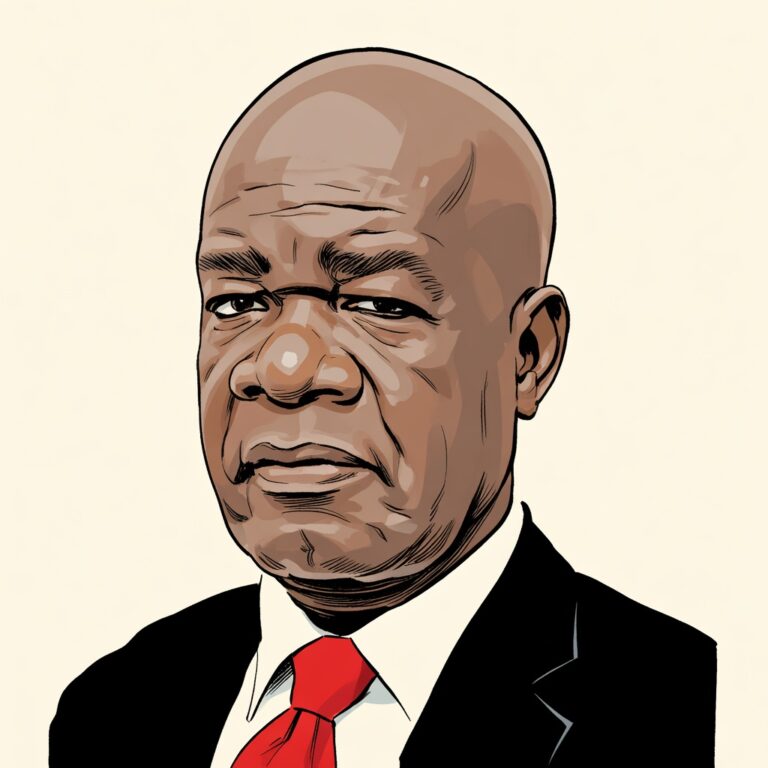
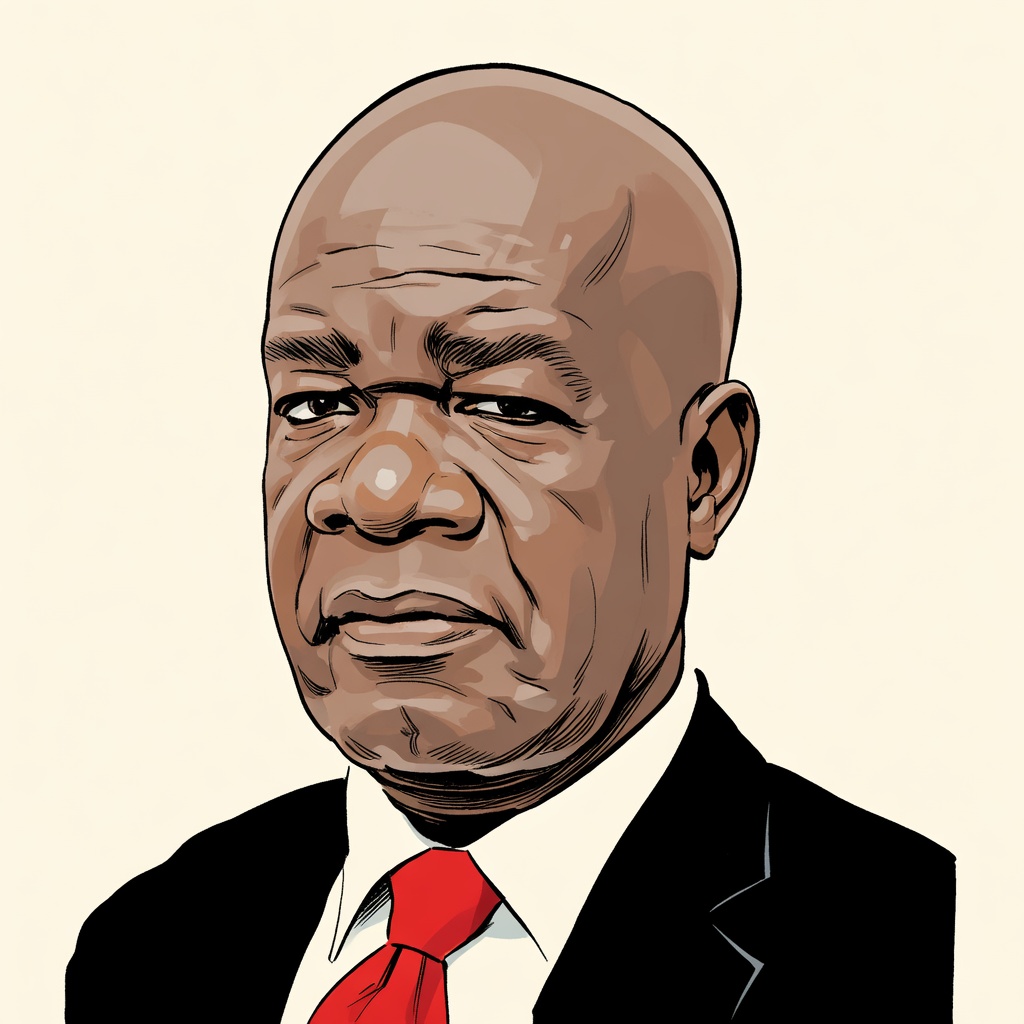
The Governor of the Central Bank of Nigeria, Olayemi Cardoso, has confirmed that 32 banks have already met the revised minimum capital requirements, leaving only a handful racing against time.
But beyond the milestone lies a more urgent question: what happens to banks that fail to meet the threshold — and can anything still be done in the final 24 hours?
A Near-Finished Race — But Not for Everyone
Speaking at the Monetary Policy Forum in Abuja, Cardoso described the recapitalisation progress as “commendable,” noting that it has significantly strengthened the resilience of Nigeria’s financial system.
The recapitalisation drive is not just regulatory housekeeping — it is central to Nigeria’s ambition of building a $1 trillion economy, enabling banks to fund large-scale investments and withstand economic shocks.
So far:
- 32 banks have met the requirement
- A small number (≈3 banks) remain at risk or under transition
Why Some Banks Need ₦500bn — and Others ₦200bn
Not all banks are required to meet the same capital threshold. The CBN structured the recapitalisation based on license category and operational scope:
1. International Banks — ₦500 Billion
These are banks with:
- Cross-border operations
- Large balance sheets
- Systemic importance
Examples include:
- Access Bank
- Zenith Bank
Higher capital is required because these banks carry greater systemic risk and handle international transactions.
2. National Banks — ₦200 Billion
These banks operate across Nigeria but without extensive international exposure.
Lower threshold reflects:
- Smaller scale
- Reduced systemic risk
3. Regional, Merchant, and Non-Interest Banks
These categories have even lower requirements, depending on:
- Geographic reach
- Business model
- Risk exposure
What Happens If a Bank Fails to Meet the Deadline?
Failure is not theoretical — it triggers serious regulatory consequences from the Central Bank of Nigeria.
1. Forced Mergers or Acquisitions
Banks may be:
- Absorbed by stronger institutions
- Compelled into consolidation deals
This is already happening:
- Unity Bank merging into Providus Bank
2. License Downgrade
A bank that cannot meet ₦500bn may:
- Drop from international → national
- Or from national → regional
This reduces:
- Market influence
- Revenue potential
- Competitive positioning
3. Regulatory Restrictions
Non-compliant banks may face:
- Lending restrictions
- Expansion bans
- Increased supervision
4. Worst Case: License Revocation
If all else fails, the CBN can:
- Withdraw the bank’s license
- Trigger liquidation or restructuring
The Final 24 Hours: Can Banks Still Meet the Requirement?
At this stage, raising fresh capital from scratch is nearly impossible. However, there are last-minute survival strategies:
1. Emergency Private Placements
Banks can:
- Secure large block investments from institutional investors
- Fast-track already negotiated deals
2. Merger Announcements (Even If Not Fully Completed)
The CBN may:
- Grant conditional approval if a merger is legally binding and advanced
This is why some “non-compliant” banks are still in verification status rather than outright failure.
3. License Reclassification
A bank can:
- Voluntarily downgrade its license
Example:
- Instead of chasing ₦500bn, it aligns with ₦200bn requirements
4. Capital Conversion Strategies
Banks may:
- Convert retained earnings
- Restructure balance sheets
- Reclassify assets to boost capital adequacy
Beyond Recapitalisation: A Wider Reform Agenda
Cardoso made it clear that recapitalisation is just one part of a broader transformation.
Key reforms include:
- Risk-based capital framework
- Stricter insider lending rules
- Exit from regulatory forbearance
- Enhanced digital supervision systems
The Bigger Economic Context
The recapitalisation push is happening alongside major macroeconomic shifts:
Inflation
- Dropped from 34.8% (Dec 2024) to 15.06% (Feb 2026)
FX Market Stabilisation
- Over $7 billion FX backlog cleared
- Parallel market premium reduced to below 2%
External Strength
- Reserves вырос to $50.12 billion
- Diaspora inflows rising toward $1 billion monthly target
The Bottom Line
Nigeria’s banking sector is not facing a collapse — it is undergoing forced evolution.
- 32 banks are already compliant
- Only a few remain at risk
- Most “failures” will likely end in mergers, not shutdowns
As the clock runs out, the final outcome is becoming clear:

Nigeria will emerge with fewer, stronger, and more globally competitive banks
And for those still behind, the next 24 hours may determine whether they adapt, merge — or disappear.