Nigeria’s crude oil and condensate production averaged 1.64 million barrels per day (mmbopd) in January 2026, marking a sharp rebound and clear improvement in the country’s oil production capacity utilisation, according to the Nigerian National Petroleum Company Limited (NNPC) Monthly Report released today.
The figure comprising 1.39 mbpd of crude oil and 0.25 mmbopd of condensate represents a significant month-on-month increase from 1.35 mmbopd in December 2025 and positions Nigeria to accelerate towards its official 2026 production capacity target of 1.8–2.06 million barrels per day.
Rebound Driven by Key Field Maintenance
The NNPC report attributes the strong January performance directly to the successful completion of Turn Around Maintenance (TAM) at the Agbami field and Renaissance (Estuary Area – EA) operations. Upstream pipeline availability stood at an impressive 96%, further boosting effective capacity utilisation.
Despite some constraints from bad weather, evacuation logistics, and asset integrity issues that reduced planned deliveries, the month-on-month jump demonstrates NNPC’s ability to rapidly restore and expand output when critical infrastructure work is completed.
Strategic Context Amid Global Oil Crisis
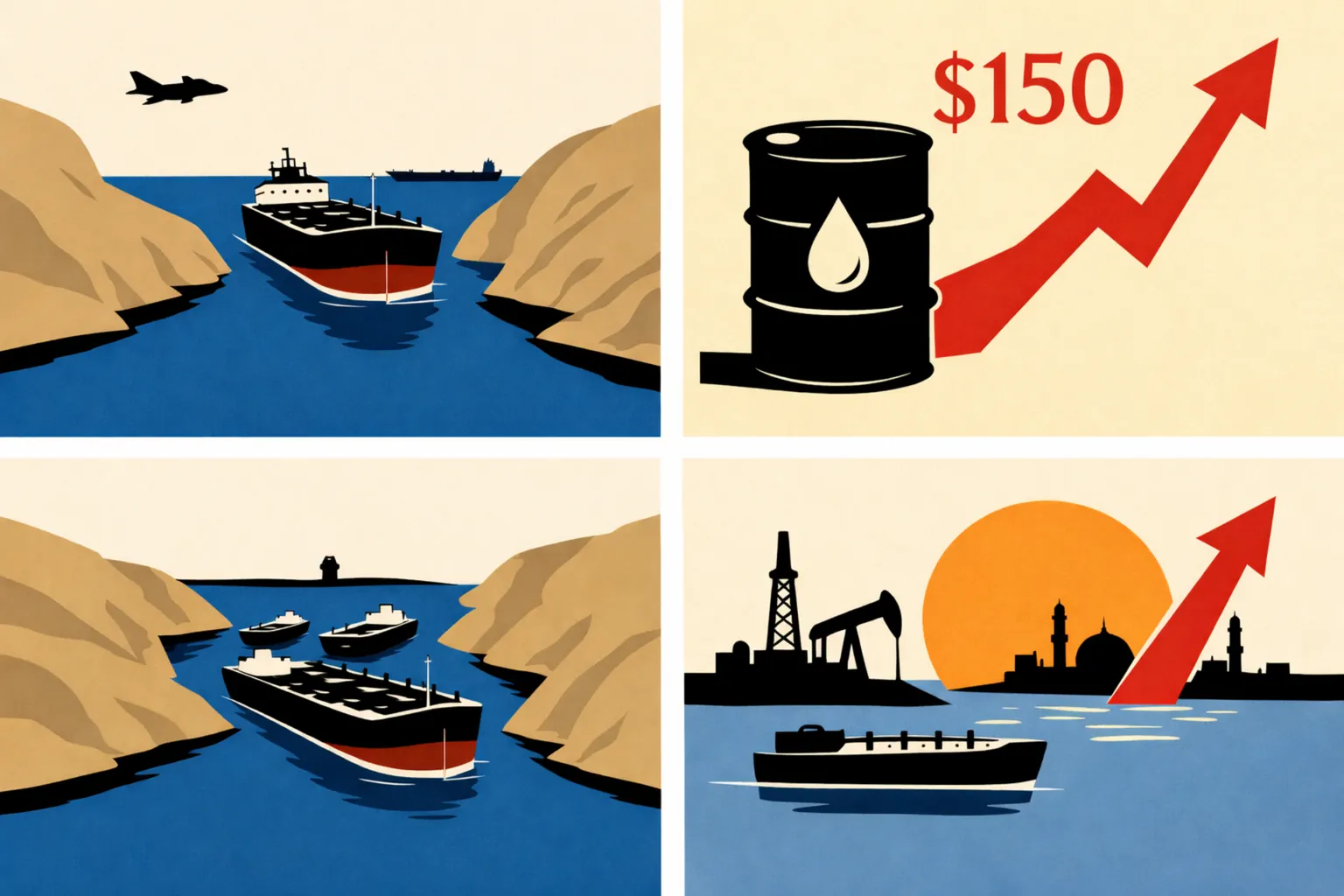
The timing of the report could not be more critical. As G7 finance ministers today discuss a coordinated emergency release of up to 400 million barrels from strategic petroleum reserves and just days after Bahrain’s Bapco Energies declared force majeure following an Iranian drone attack on the Sitra refinery, Nigeria’s improved production numbers highlight the country’s potential to help stabilise global supply.

Nigeria continues to operate well below its historical nameplate production capacity of over 2.5 million bpd, but the January performance signals that targeted investments and maintenance are steadily closing that gap.
What This Means for Nigeria and Global Markets
Domestic impact: Higher output supports government revenue, foreign exchange earnings, and the push to meet the 2026 capacity target of up to 2.06 million bpd.
Global impact: Additional Nigerian barrels entering the market could help moderate the current oil price surge caused by Middle East disruptions.
Investor signal: The rebound reinforces confidence in NNPC’s upstream reforms and the Petroleum Industry Act’s long-term goal of unlocking Nigeria’s full oil production capacity.