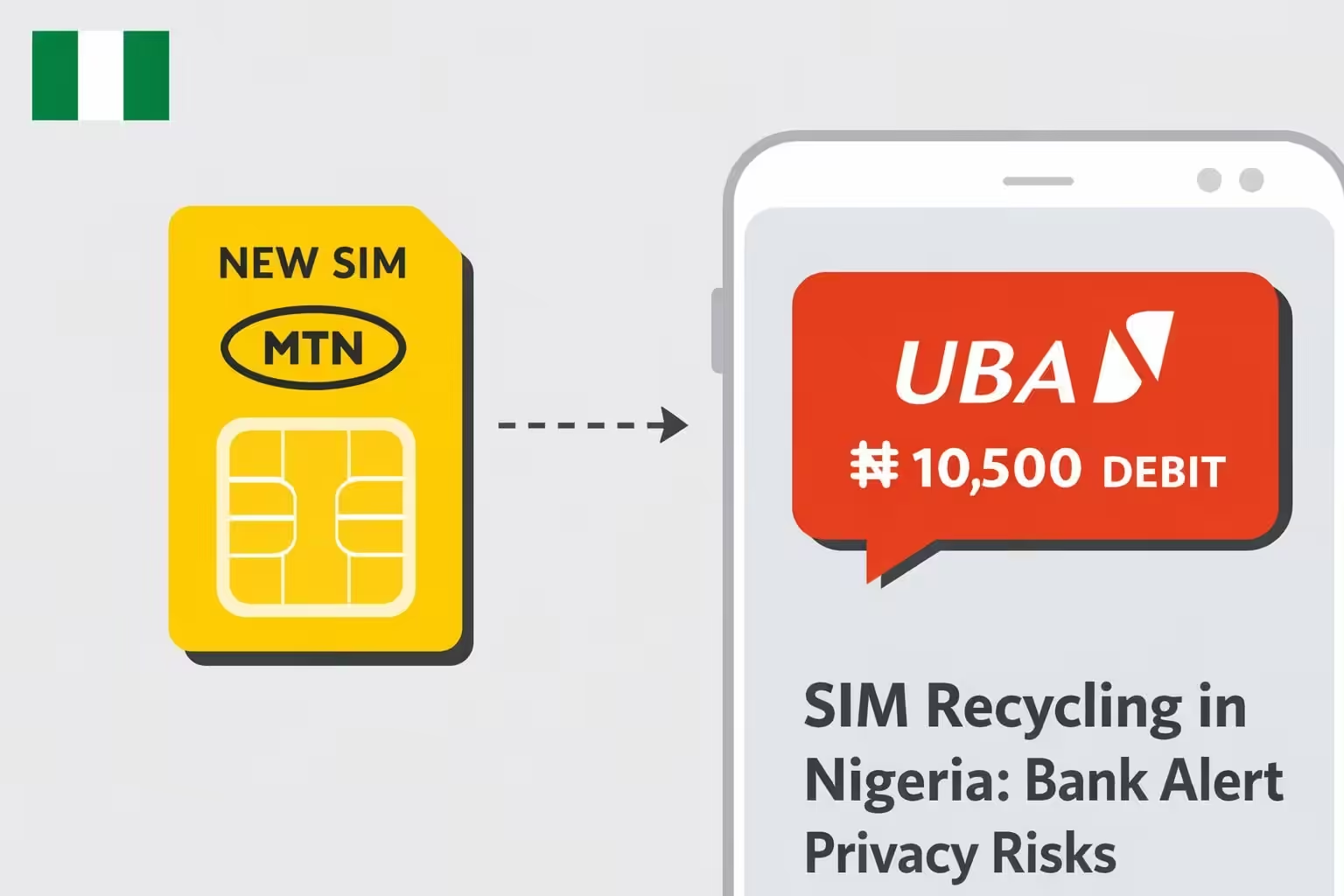
The Nigerian Communications Commission (NCC) has created the Telecom Identity Risk Management System (TIRMS) Portal to collect and share data on recycled numbers, as part of a broader effort to protect subscribers from fraud and identity risks associated with reassigned phone numbers.
The Telecom Identity Risk Management System (TIRMS) Portal, created in March 2024, in collaboration with telecom operators, is part of the regulator’s efforts to prevent misuse when numbers change hands and to reinforce trust in digital identity systems.
The portal will go live after a 21-day consultation period starting in late February 2026 and concluding by the end of March 2026.
The NCC wants to monitor recycled numbers and share relevant data with telecom operators, reducing the risk of SIM exploitation in a critical digital ecosystem where phone numbers serve as critical identifiers across banking, social platforms, and government services.
Once active, the NCC will host the portal, which will be accessible to key regulators and authorised institutions, including the Central Bank of Nigeria (CBN), the Securities and Exchange Commission, pension authorities, the National Identity Management Commission, security agencies, and other relevant stakeholders.
Sim Recycling
Because each number must conform to a fixed length and format, numbering resources are scarce. This means operators must ensure optimal utilisation, which often involves recycling inactive numbers, a process known as churning. While operationally necessary, the practice has increasingly raised concerns about fraud, identity mix-ups, and consumer protection.
The NCC manages and allocates numbering resources on behalf of the Federal Government, assigning number ranges to licenced operators across mobile, fixed, and special services in a manner that promotes competition, innovation, and consumer protection in line with global best practices.
According to the QoS Regulations 2024, a mobile number (MSISDN) is classified as inactive if it has not recorded any Revenue Generating Event (RGE), such as outgoing or incoming calls or SMS, charged USSD sessions, internet calls, or other income-generating activity, for 180 days.
If inactivity continues for another 180 days, bringing the total to 360 days, the number becomes eligible for churning. At that point, mobile network operators, which lease number ranges from the Federal Government through the NCC, may reassign the line to a new subscriber.

However, the rules are explicit: no active number should ever be reassigned. Only numbers that have remained inactive for a full 360 days may be recycled.
When numbers are recycled, problems can arise, New users may receive text messages intended for previous owners. In more serious cases, individuals have reported being investigated for offences allegedly committed by former users of reassigned numbers. Others have faced difficulties accessing services because their newly acquired number was still linked to legacy accounts.