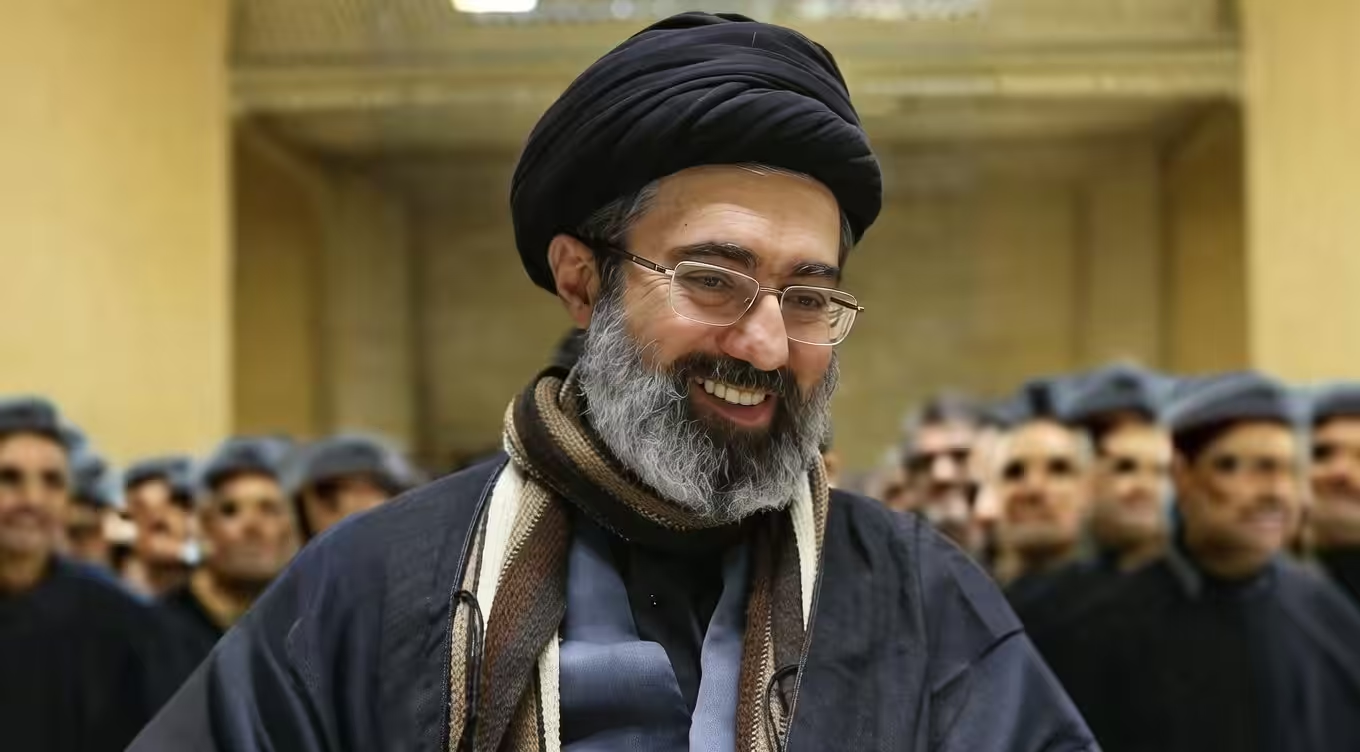
Mojtaba Khamenei, the second son of Iran’s late supreme leader Ali Khamenei, is emerging as the frontrunner to lead the Islamic Republic following his father’s death.
Though no official announcement has been made, political and security insiders suggest his selection could be confirmed after the funeral proceedings.
If appointed, Mojtaba’s rise would signal a continuation of Iran’s hardline posture toward the West, particularly the United States, at a time of heightened regional instability.
Assembly of Experts Nears Decision
The selection of Iran’s supreme leader rests with the 88-member Assembly of Experts, a constitutional body responsible for appointing and overseeing the country’s highest authority.
According to senior cleric Ayatollah Seyed Khatami, the assembly is close to choosing a successor from a shortlist of six candidates.
Mojtaba Khamenei is widely believed to have strong backing from the powerful Islamic Revolutionary Guard Corps (IRGC), a decisive force in Iran’s political and military affairs.
His alignment with the IRGC strengthens speculation that senior figures within the establishment are unwilling to pursue rapprochement with Washington.
Hardline Reputation and US Reaction
Known for his staunch anti-Western views, Mojtaba Khamenei is unlikely to ease tensions with the United States.
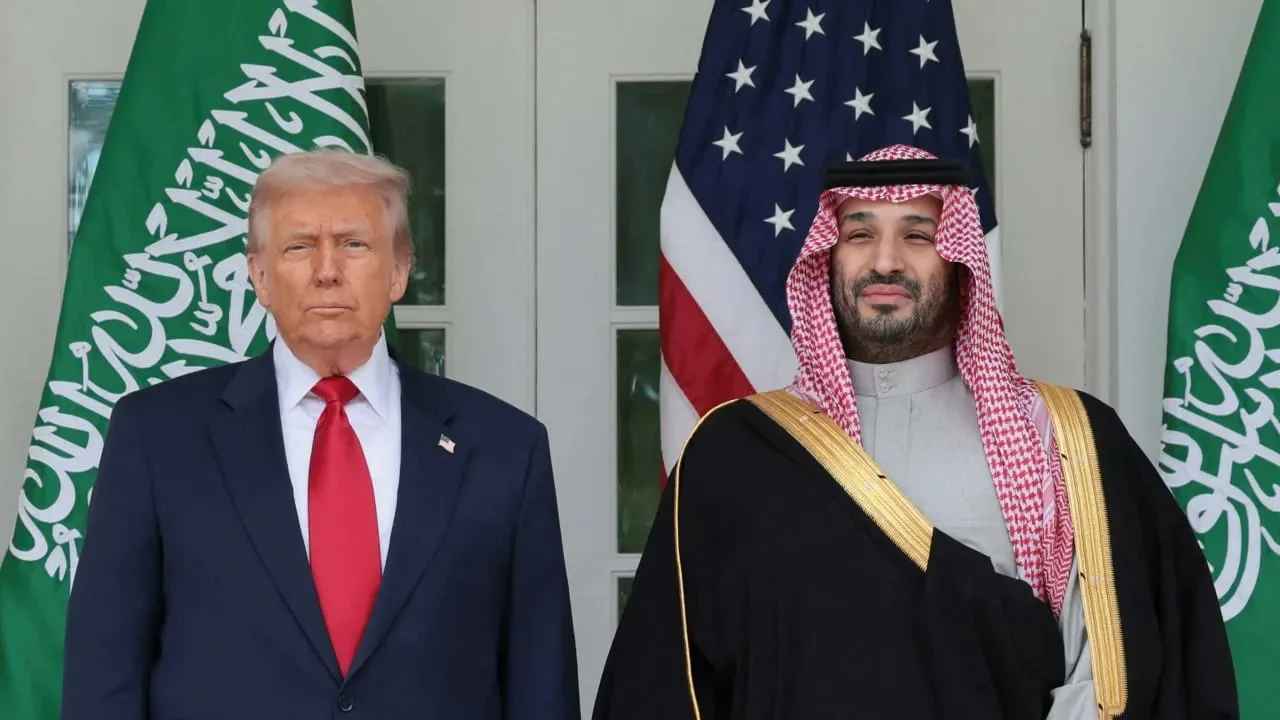
Meanwhile, US Secretary of State Marco Rubio described Iran’s leadership in harsh terms, further underlining strained diplomatic relations.
Speculation about Mojtaba’s succession intensified after the death of former Iranian President Ebrahim Raisi in a helicopter crash. Raisi had previously been viewed as a leading candidate to succeed Ali Khamenei.
Political Influence Behind the Scenes
Born in 1969, Mojtaba Khamenei pursued theological studies after high school and served during the Iran-Iraq War in his youth.
His political prominence grew in the late 1990s following the defeat of conservative candidate Ali Akbar Nategh Nuri in the 1997 presidential election.
He was widely regarded as instrumental in reorganizing conservative political structures after that loss and later became a controversial figure during the 2009 post-election protests.
Reformist politician Mostafa Tajzadeh alleged that Mojtaba played a supervisory role in cases against opposition figures following the disputed vote.
In 2022, Mojtaba was granted the clerical rank of ayatollah, a key religious qualification necessary for elevation to supreme leadership.
Over the years, he has maintained influence within state institutions, including the Islamic Republic’s national broadcaster, and has reportedly overseen aspects of his father’s extensive financial network.
Close Allies and Opposition Concerns
Mojtaba’s political allies include senior figures such as Ahmad Vahidi, Hossein Taeb, and parliament speaker Mohammad Bagher Ghalibaf.
However, reformists have long opposed what they describe as a hereditary succession.
Former Prime Minister Mir Hossein Mousavi previously criticized rumors of Mojtaba’s elevation, questioning the legitimacy of what he called a long-running “conspiracy.”
The Assembly of Experts has dismissed such concerns, stating it will appoint only “the most qualified and suitable” candidate.
Regional Tensions Add Pressure
The leadership transition comes amid escalating regional tensions.

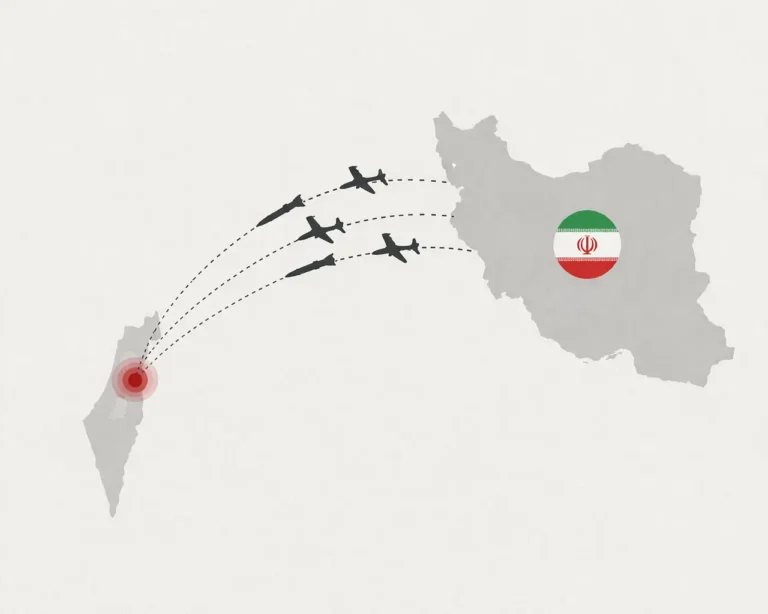
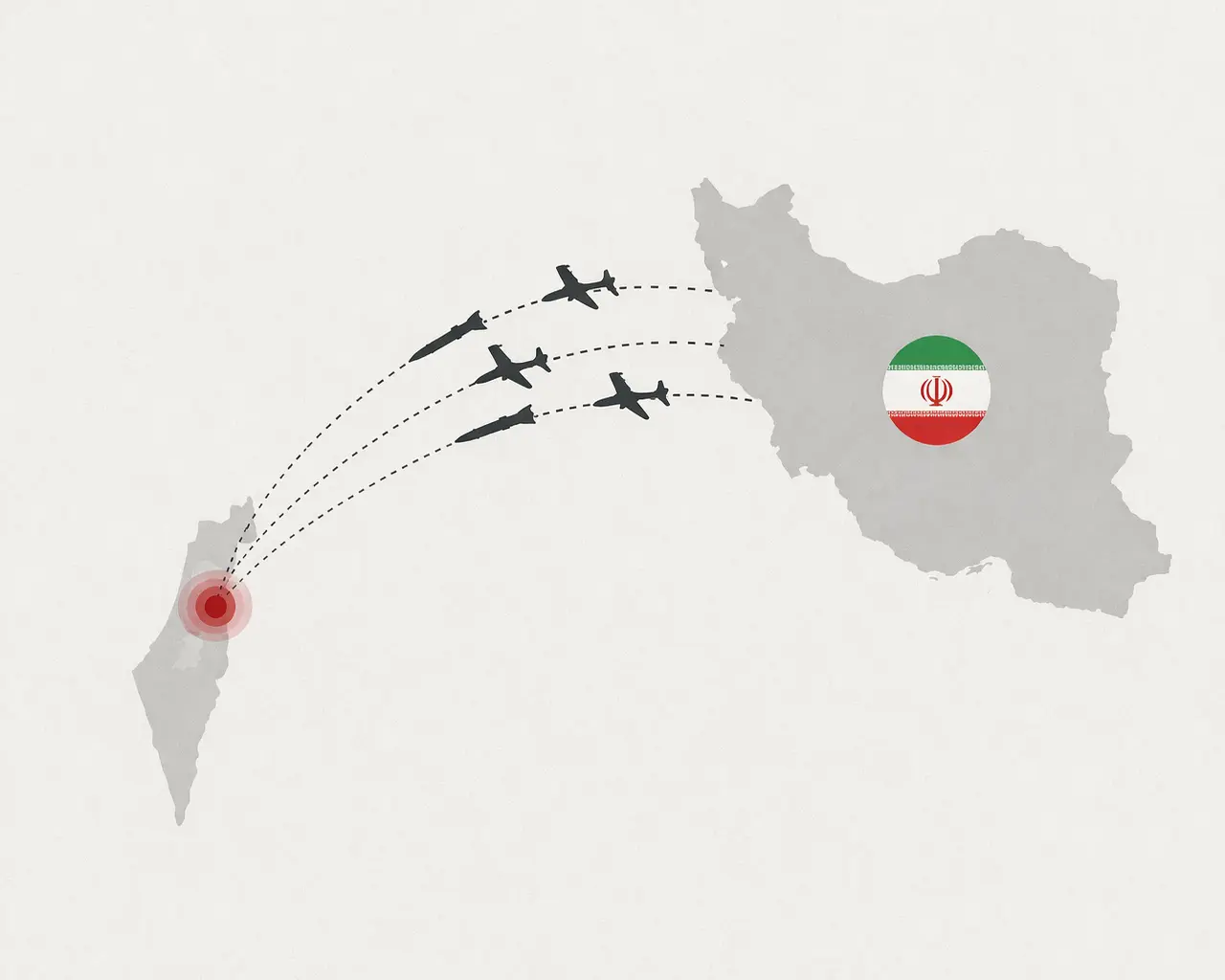
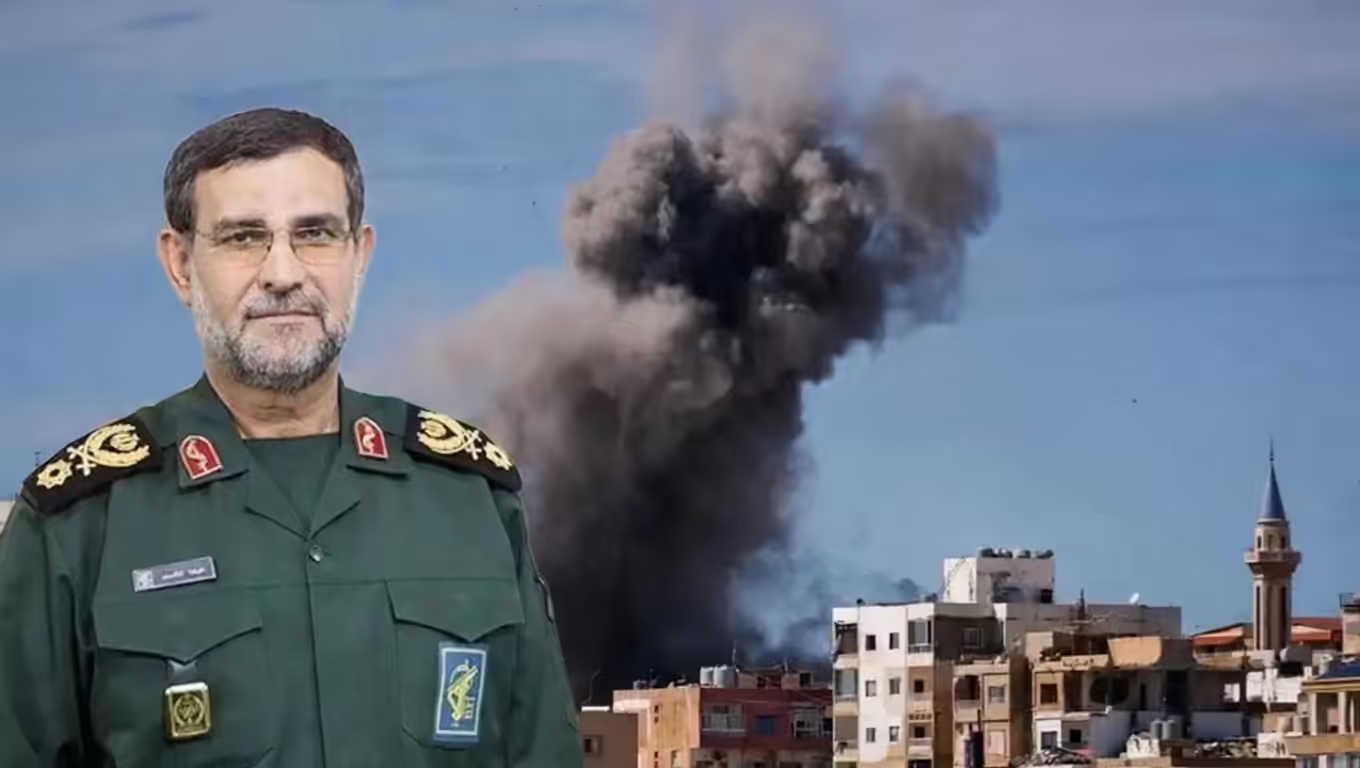
Reports indicate that Israeli forces recently struck a building in the city of Qom where the Assembly of Experts had been scheduled to convene, although the site was reportedly empty at the time.
As Iran navigates one of the most volatile chapters in its nearly five-decade history, the appointment of Mojtaba Khamenei would likely reinforce continuity in the Islamic Republic’s ideological and geopolitical direction rather than signal reform.