The International Energy Agency on Wednesday agreed to release 400 million barrels of oil to address the supply disruption triggered by the Iran war, the largest such action in the organization’s history.
The IEA did not set out a timeline for when the stocks would hit the market. It said that the reserves would be released over a timeframe that is appropriate to the circumstances of each of its 32 member countries.
“The conflict in the Middle East is having significant impacts on global oil and gas markets, with major implications for energy security, energy affordability and the global economy for oil,” IEA Executive Director Fatih Birol said in remarks broadcast from the group’s headquarters in Paris.
“I can now announce that IEA countries have unanimously decided to launch the largest ever release of emergency oil stocks in our agency’s history,” Birol said.
The IEA chief said the release is designed to address the immediate impacts of the supply disruption. But tanker traffic must resume through the Strait of Hormuz to bring back stable oil and gas flows to the global market, Birol said.
Strait of Hormuz Disruption
Energy analysts warned ahead of the release that even the IEA’s maximum drawdown capability would likely not be able to offset the nearly 20 million barrels per day that typically transits through the Strait of Hormuz.

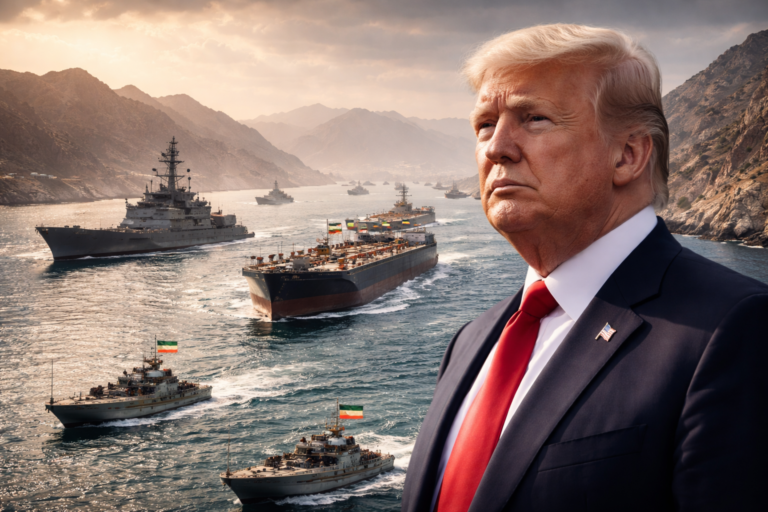
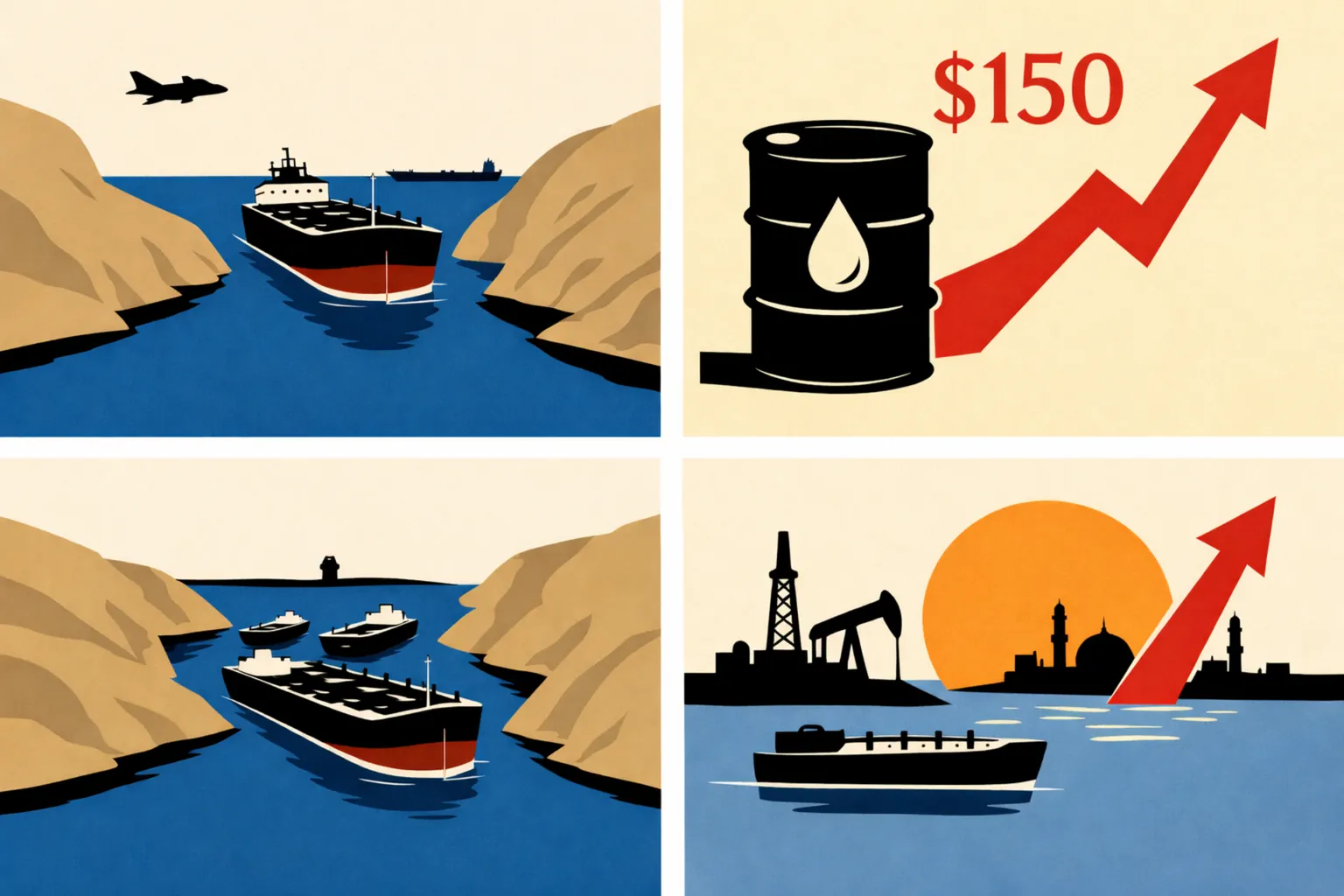
The waterway is a narrow maritime corridor off Iran’s coast that connects the Persian Gulf and the Gulf of Oman. Roughly 20% of global oil and gas usually passes through it.
Oil prices have been extremely volatile since the outbreak of the Iran war on Feb. 28, with global benchmark Brent crude rallying to nearly $120 a barrel at the start of the week, before falling back below $90.