The Lagos State traditional council has fixed Saturday, December 27, 2025, for the next edition of the iconic Eyo Festival, a cultural event deeply rooted in the heritage of Lagos Island.
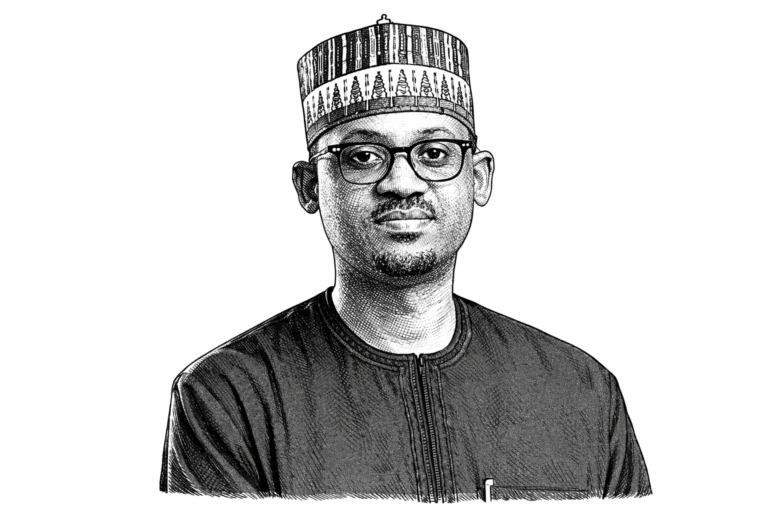
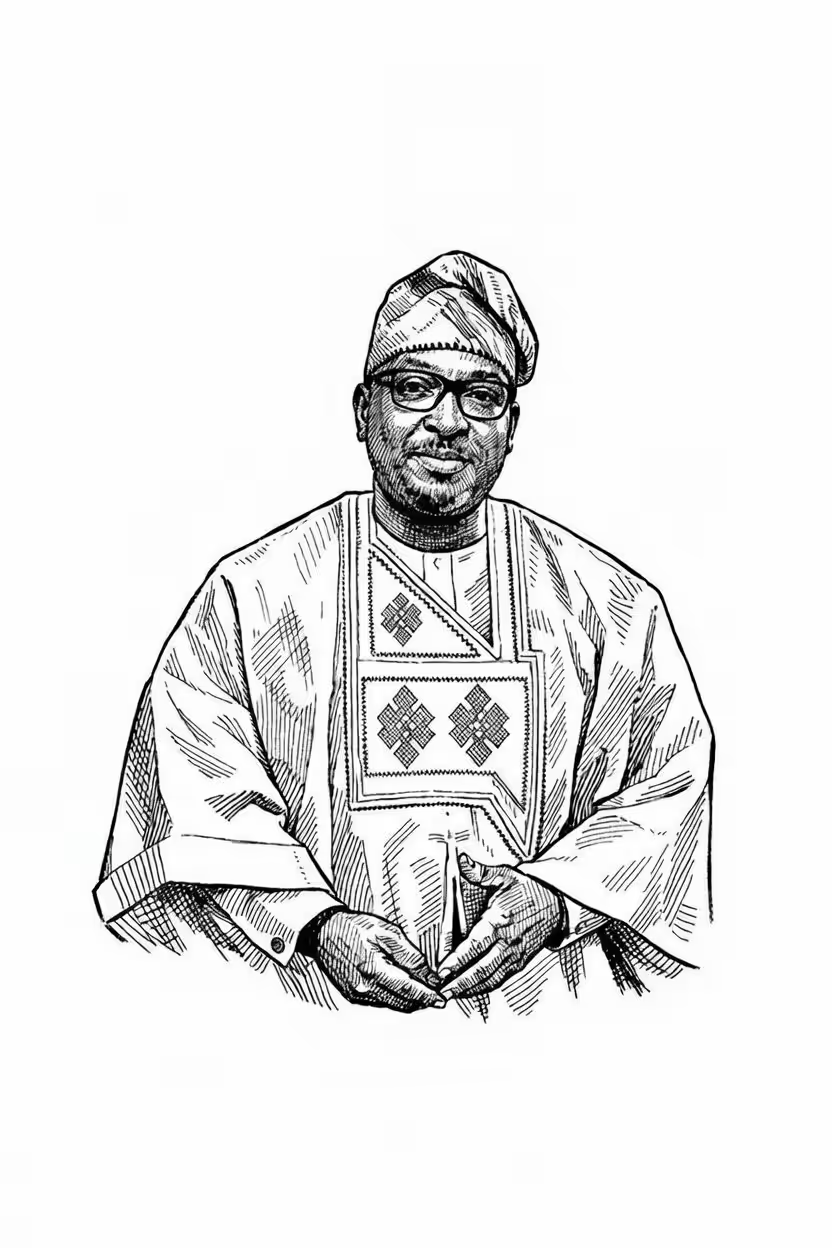
The announcement was made by the Oba of Lagos, Oba Rilwan Babatunde Akiolu, during a media briefing at his Iga Idunganran palace, where he disclosed that this year’s festival will be held in honour of three prominent departed figures: Chief Abibatu Mogaji, mother of President Bola Ahmed Tinubu; former Lagos governor, Alhaji Lateef Jakande; and another former governor, Sir Michael Otedola.
Addressing journalists alongside the White Cap Chiefs, the monarch assured residents and visitors that comprehensive security arrangements have been put in place to guarantee a peaceful celebration.
He issued a stern warning to participating Eyo masquerades to maintain discipline and avoid any form of harassment of spectators or fun seekers.
According to Oba Akiolu, the Eyo Festival remains a sacred cultural expression and must not be exploited for personal profit.
“Eyo is our treasured heritage,” he said. “It must be showcased with respect and dignity, not commercialised for the benefit of any chief.”
This year’s procession will be limited to Lagos Island, with the main activities scheduled for Tafawa Balewa Square (TBS).
To ease transportation, the state government plans to deploy at least 100 buses to convey participants and cultural groups from various parts of the state to the festival grounds.
A Celebration of Ancestral Tradition
The Eyo Festival—also called the Adamu Orisha Play—is one of the most revered traditional ceremonies in Yoruba culture.
Historically staged to escort the spirits of deceased monarchs and high-ranking chiefs to the afterlife, the festival has evolved into a major cultural tourism attraction.
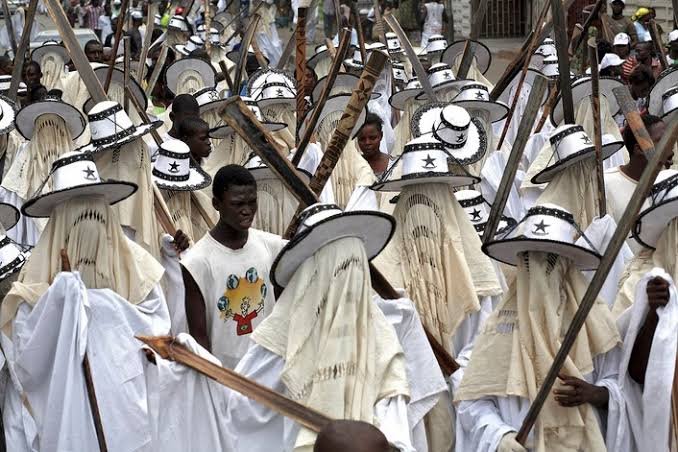
Participants, known as Eyo, dress in flowing white garments and veils, topped with distinctive colour-coded Aga caps.
Each Eyo carries the traditional Opambata, a long decorative staff used during the ceremonial procession.
On festival day, various Eyo groups emerge from their family palaces, moving in vibrant processions of music, chants and drumming toward the festival grounds.

Despite modern adaptations, the celebration retains deep spiritual symbolism and continues to play a significant role in preserving Lagos’ cultural identity.
This year’s edition is expected to draw large crowds, including tourists, cultural enthusiasts and members of the Lagos diaspora eager to witness one of Nigeria’s most visually striking traditional pageants.