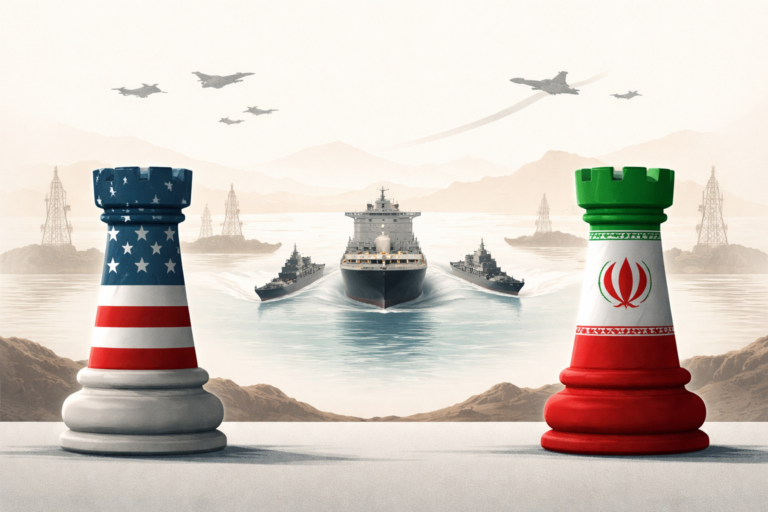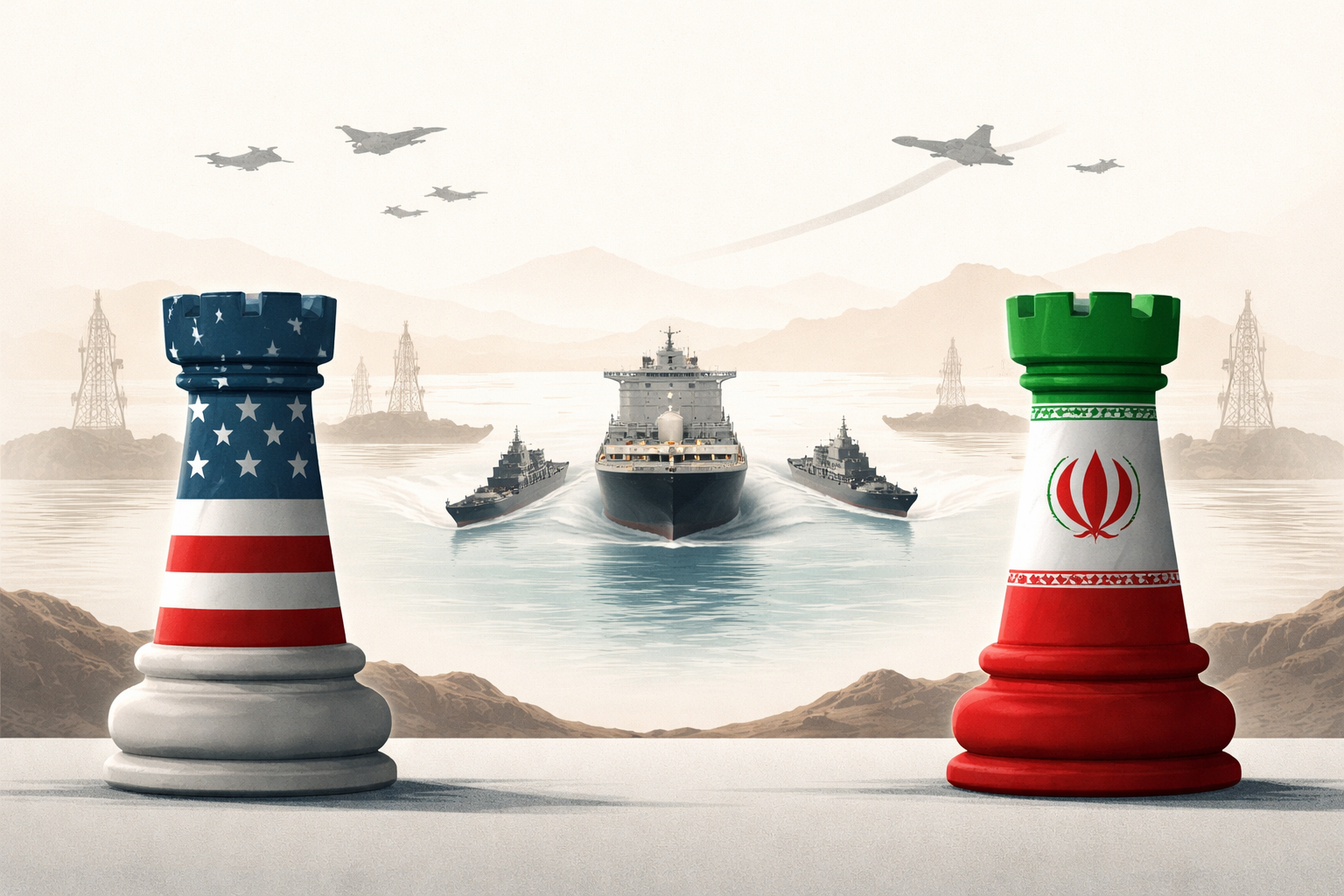
The United States and Iran have agreed to a time-bound, two-week ceasefire, halting a cycle of escalation that had heightened risks to global energy flows and regional stability.
As part of the arrangement, Iran has signalled it will allow safe transit through the Strait of Hormuz, a critical oil corridor, while Washington has paused further military action.
The agreement, reached with third-party mediation by Pakistan, is best understood as a de-escalatory pause rather than a settlement, with implementation details and compliance still uncertain.
Iran’s Position: Sanctions, Security, and Strategic Space
For Iran, the ceasefire does not resolve core strategic concerns. Iranian negotiators pushed for:
- Relief from U.S. sanctions, which remain in place
- Assurances against future military strikes
- A transition from a temporary truce to a durable cessation of hostilities
- Recognition of its security role in and around the Strait of Hormuz
- Broader regional de-escalation, including theatres involving aligned actors
Acceptance of a short-term ceasefire reflects a tactical adjustment, not a resolution of these demands, which are likely to dominate any follow-on negotiations.
US’ Framing: Gains Claimed, Outcomes Unsettled
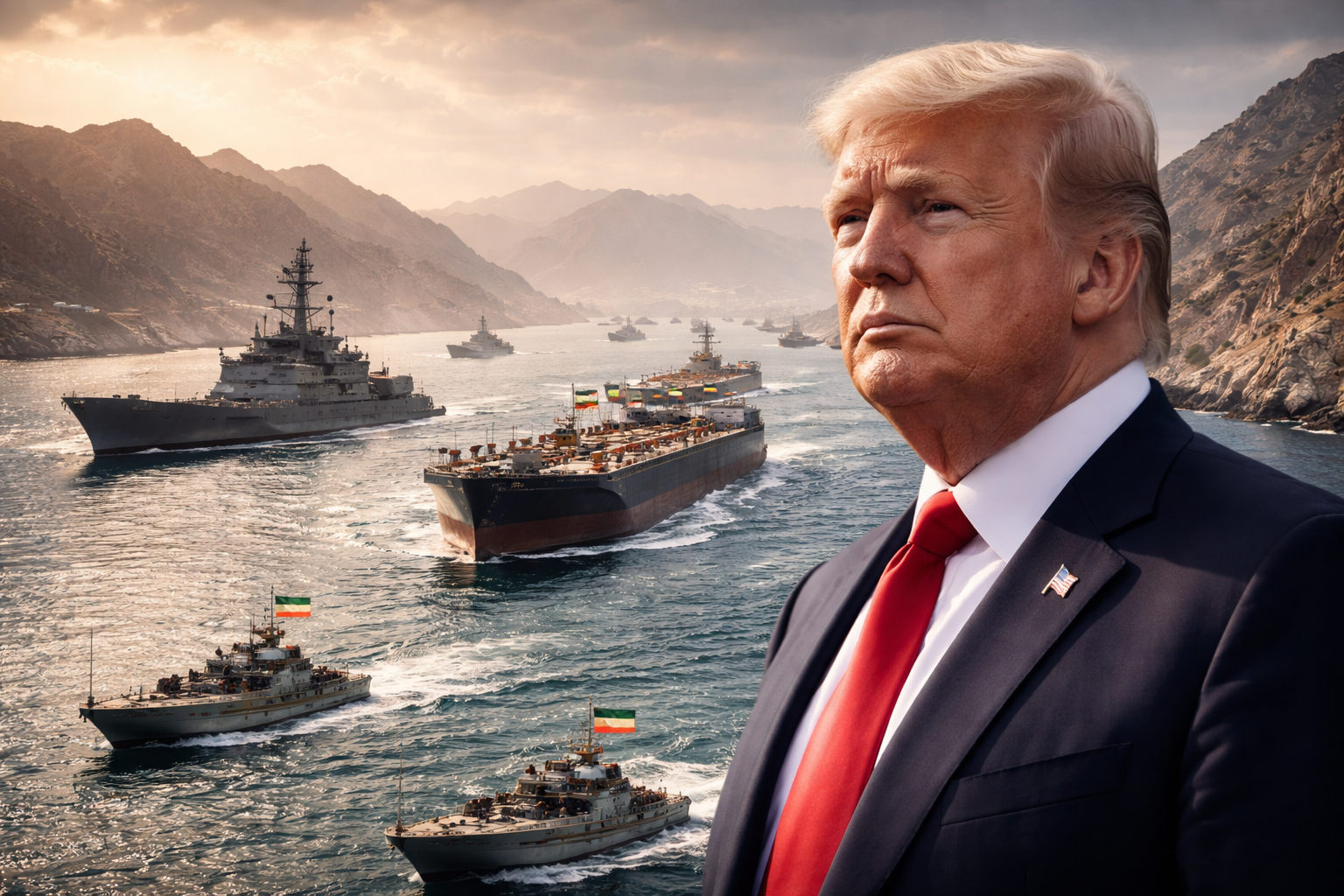
U.S. President Donald Trump has characterised the ceasefire as a “total and complete victory,” arguing that U.S. pressure compelled Iranian concessions.
The administration points to:
- Iran’s stated willingness to ensure shipping access via the Strait of Hormuz without toll following the recognition of Oman’s rights over the strait
- A pause in hostilities following weeks of confrontation
- The emergence of a possible basis for further diplomatic engagement
However, the underlying picture is more complex. The ceasefire is temporary, enforcement mechanisms are unclear, and major disputes—including sanctions and Iran’s nuclear posture remain unresolved. Both Washington and Tehran have framed the outcome as favourable, reflecting the early, inconclusive stage of the process.