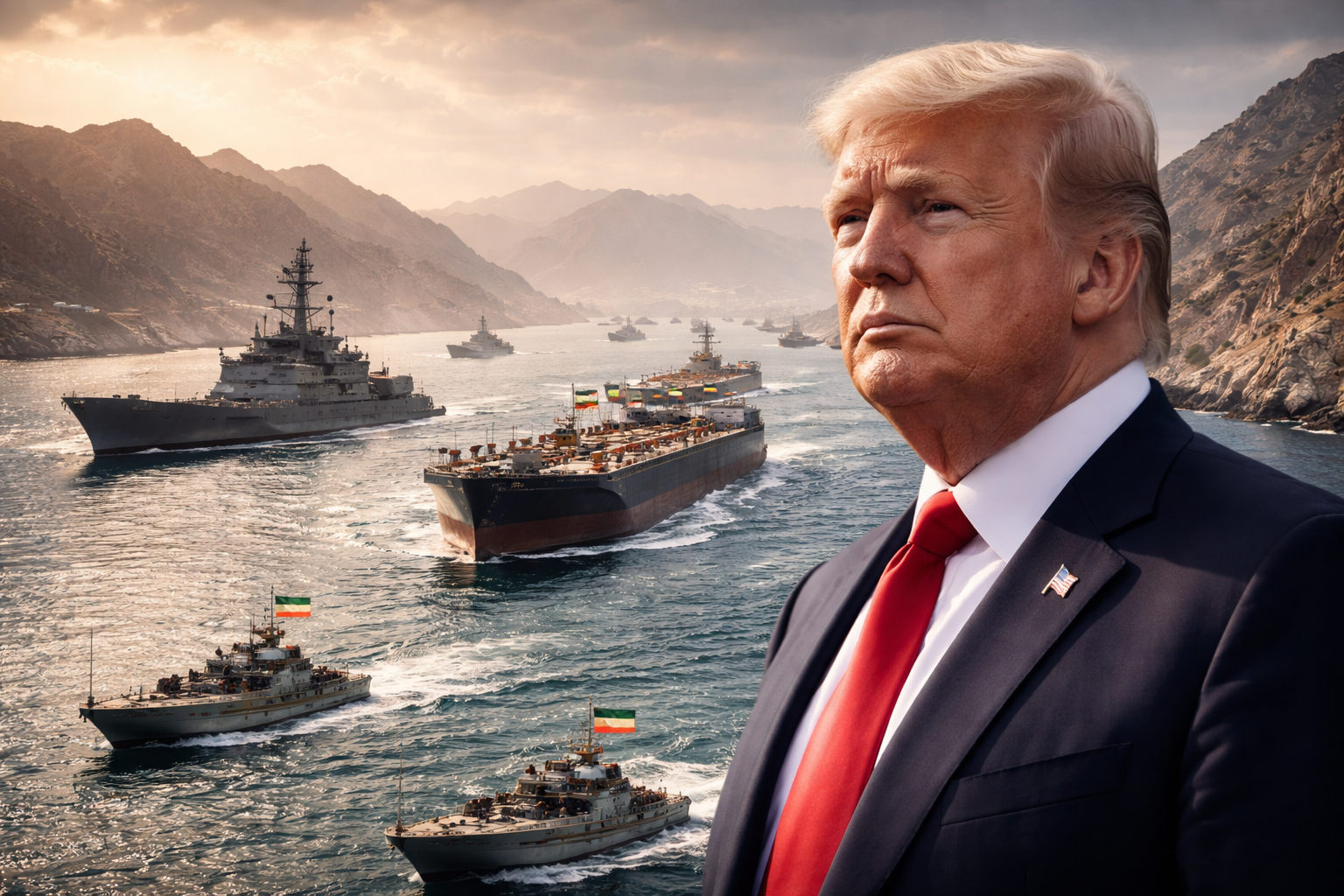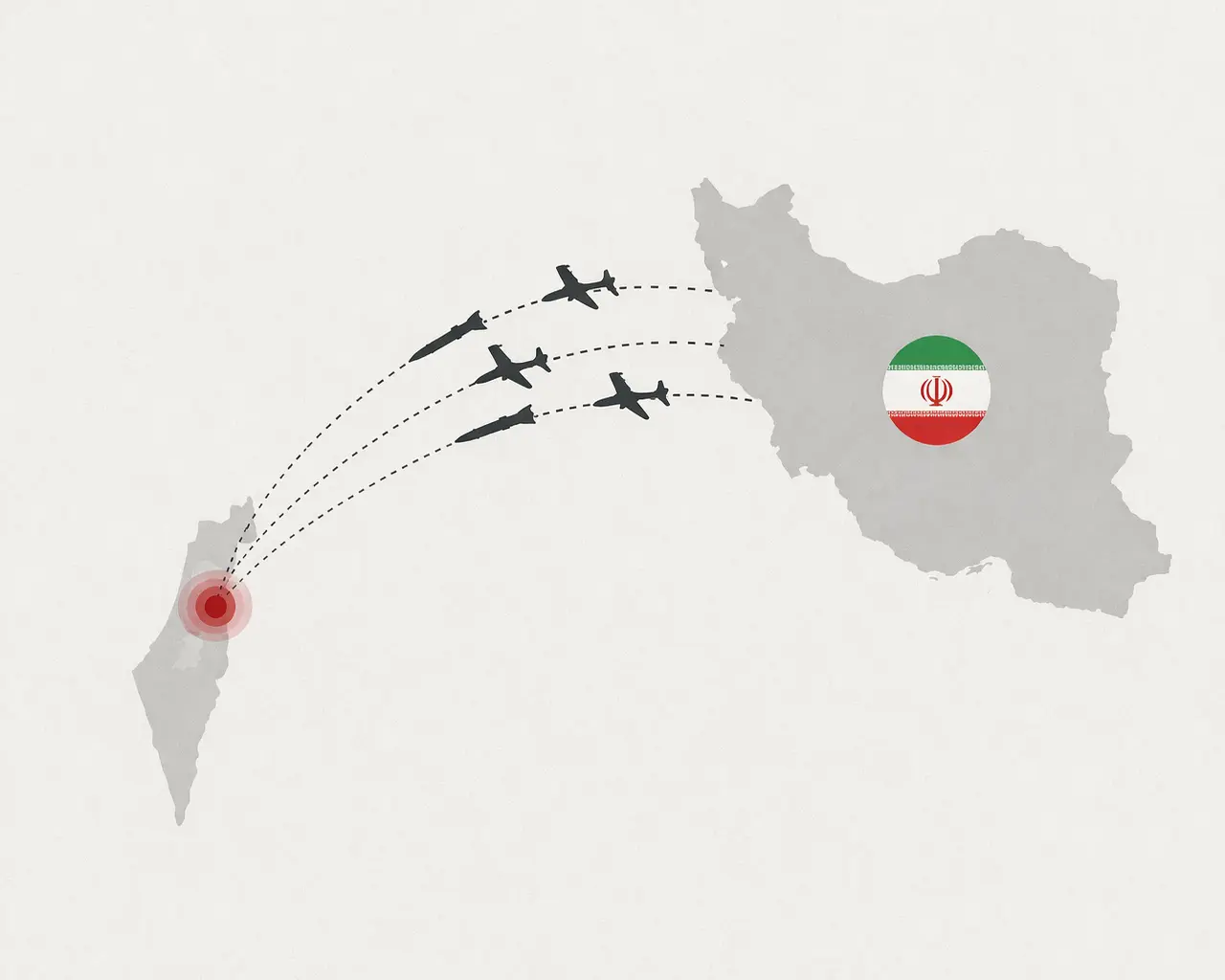
In the statement, Iran said its armed forces would halt “defensive operations” if attacks against the country cease, effectively framing its position as contingent on reciprocal restraint. It also confirmed that safe passage through the Strait of Hormuz would be permitted for two weeks, subject to coordination with Iranian military authorities and “technical limitations.”
This position mirrors emerging details of a U.S.–Iran ceasefire arrangement described as “double-sided,” under which both sides pause hostilities while negotiations continue.
The reopening of Hormuz is central to the deal. The strait is one of the world’s most critical energy chokepoints, handling roughly 20% of global oil flows.
Also Read:
- Oil Price Today Above $100 as India Talks With Iran to Reopen Strait of Hormuz
- Trump Says He Wants a Role in Choosing Iran’s Next Supreme Leader as War Escalates Across…
- Iran Closes Airspace Amid Fears of Israeli Retaliation Following Airstrikes on Israel
- Iran Launches Retaliatory Strike Against Israel, Causes Panic Across Tel Aviv
Iran’s language suggests that the reopening is tactical rather than permanent—designed to create diplomatic space while preserving leverage in negotiations.
Pakistan’s Mediation Shapes Breakthrough
Iran’s statement explicitly thanked Pakistan’s Prime Minister Shehbaz Sharif and military leadership for their role in facilitating talks, underscoring Islamabad’s emergence as a key intermediary in the crisis.
This mediation was decisive in securing the temporary halt in U.S. military action and advancing a negotiation framework based on competing proposals from Washington and Tehran.
The reference to U.S. acceptance of elements of Iran’s “10-point proposal” suggests that both sides are converging—at least procedurally—on a structure for talks, even as substantive disagreements remain.
A Tactical Pause in a High-Stakes Energy Conflict
The announcement comes against the backdrop of one of the most severe disruptions to global energy markets in decades. Since late February, Iran has effectively shut down the Strait of Hormuz through a combination of military threats, attacks on shipping, and mine deployment, causing tanker traffic to collapse and oil prices to surge.
The crisis has already escalated into direct attacks on regional infrastructure, including reported Iranian strikes on Saudi petrochemical facilities, highlighting the widening geographic scope of the conflict.
Even with the temporary reopening, uncertainty remains high. Iran has previously resisted short-term ceasefire proposals, insisting on broader concessions including sanctions relief and a permanent end to hostilities.
Implications: Fragile De-escalation, Not Resolution
Iran’s latest statement should be interpreted less as a resolution and more as a controlled de-escalation. By linking maritime access to reciprocal restraint and maintaining operational oversight of the strait, Tehran retains its strongest bargaining chip.

For global markets, the two-week window offers short-term relief—particularly for oil shipments—but does little to resolve structural risks. The possibility of renewed disruption remains high if negotiations stall or either side breaches the ceasefire.
In effect, Hormuz has shifted from a battleground to a negotiating instrument—one that will continue to shape the trajectory of both the conflict and global energy stability.