Global oil markets surged on Monday after coordinated US and Israeli airstrikes on Iran intensified geopolitical tensions across the Middle East. This triggered fears of a prolonged disruption to energy supply routes.
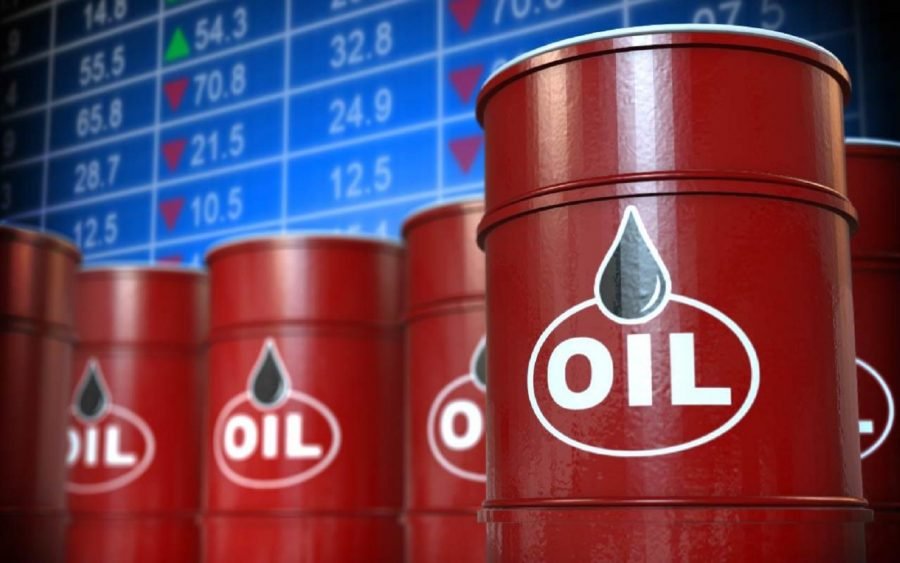
Brent crude, the international benchmark, climbed about 9% to $79.41 per barrel, up from $72.87 on Friday. This marks its highest level in seven months. US benchmark West Texas Intermediate rose 8.6% to $72.79 per barrel from roughly $67 at the end of last week, according to market data from CME Group and FactSet.
Traders reacted sharply after US President Donald Trump indicated that military operations could continue for weeks. Meanwhile, Iran responded with missile barrages targeting US and Israeli-linked installations across the region. The escalation heightened concerns that crude exports from the Gulf could face sustained disruption.
Particular attention is focused on the Strait of Hormuz, the narrow maritime chokepoint through which roughly one-fifth of the world’s seaborne oil supply transits daily. Marine tracking data showed tankers clustering on both sides of the strait amid security fears and insurance uncertainties. Two vessels were reportedly attacked on Sunday. This further amplified supply risk.
Analysts warn that any effective halt in Hormuz traffic could block up to 15 million barrels per day of crude from reaching global markets. Jorge Leon, head of geopolitical analysis at Rystad Energy, told Reuters that unless rapid de-escalation occurs, oil prices may undergo “significant upward repricing.”

Iran currently exports approximately 1.6 million barrels per day, largely to China. Any prolonged disruption could force China to tap strategic reserves. Alternatively, it could increase imports from Russia, analysts said.
Higher oil prices are expected to feed into consumer inflation globally, raising fuel, transportation and food costs at a time when many economies are still grappling with price pressures.