ICE Detention Video in Minneapolis Sparks Legal Backlash Over ID Refusal and Use of Force
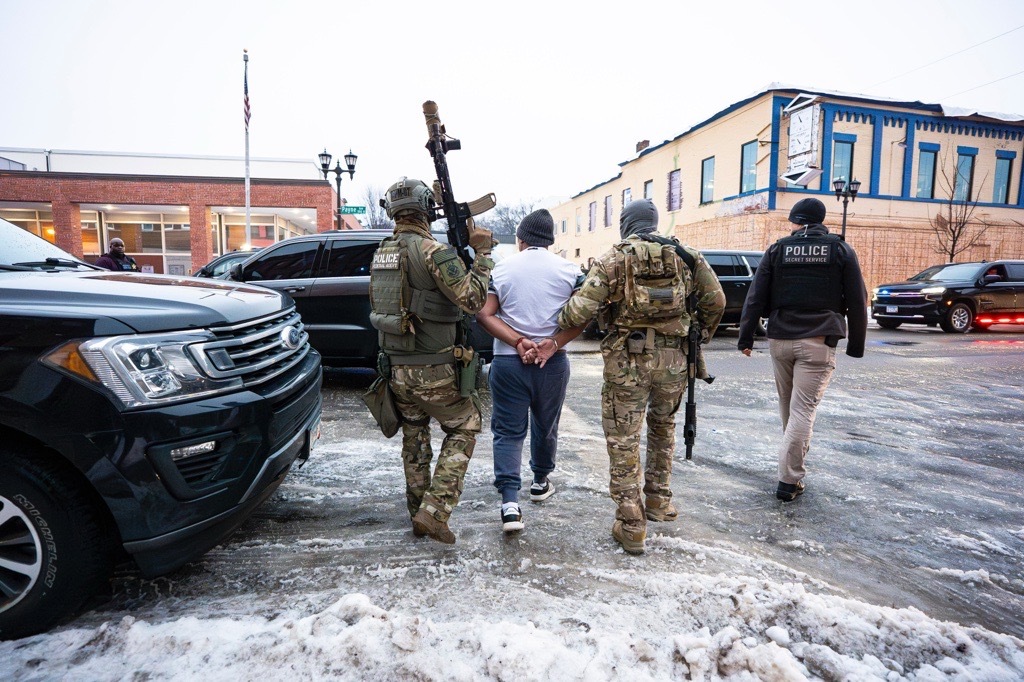
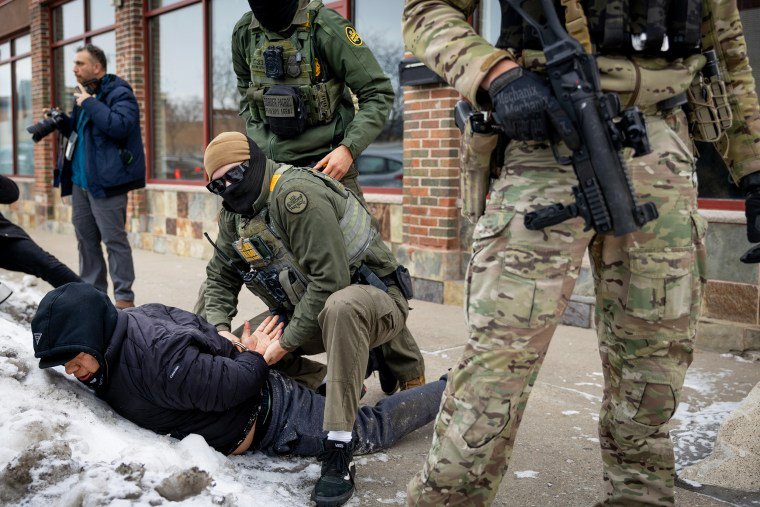
A video circulating widely on social media has triggered renewed scrutiny of immigration enforcement practices in the United States after showing what appears to be **U.S. Immigration and Customs Enforcement agents forcefully detaining a man in Minneapolis, despite no immediately stated criminal charge.
The footage, reposted by several high-profile accounts on X (formerly Twitter), shows agents confronting a man beside his vehicle, escalating rapidly to physical restraint after he declines to produce identification. The man repeatedly states that he is “not doing anything” and insists that the detention is unlawful.
The incident has fueled a broader online debate over the limits of ICE authority, Fourth Amendment protections, and whether U.S. citizens are legally required to carry or present identification absent reasonable suspicion or a warrant.
What the Video Shows
In the video, agents are seen ordering the man to remain still, pushing him against his vehicle, and conducting a search of his pockets. At no point in the initial exchange do officers clearly articulate a specific crime, according to the footage.
At one moment, an agent is heard saying, “And all we needed was your ID,” a remark that critics online interpret as an admission that the detention was based solely on the refusal to provide identification rather than on probable cause.
The confrontation escalates further when an agent claims the man has a firearm. The man responds that the weapon is legally owned and registered, noting that Minnesota permits concealed carry. An agent then removes the magazine and places the firearm on the vehicle, a moment that has drawn criticism from firearms-safety advocates for allegedly careless handling.
Legal Questions Raised
Legal analysts commenting online argue that refusing to produce identification alone is not a crime under U.S. federal law, particularly in states without broad “stop-and-identify” statutes. Under the Fourth Amendment, law-enforcement officers must generally establish reasonable suspicion of a crime to detain an individual, and probable cause to arrest.
Civil-liberties advocates say the video, if authenticated and unedited, could raise serious constitutional questions, including unlawful detention, illegal search, and excessive use of force.
ICE has not, as of publication time, released an official statement confirming the identities of the officers involved or explaining the basis for the detention.
Wider Context: ICE Powers and Public Scrutiny
The incident comes amid heightened national debate over immigration enforcement tactics, particularly in interior U.S. cities. While ICE agents have authority to enforce immigration law, their powers are not unlimited, especially when interacting with U.S. citizens.
Past court rulings have repeatedly emphasized that immigration status alone does not suspend constitutional protections.
For critics, the Minneapolis video has become a flashpoint illustrating fears of overreach. Supporters of stricter enforcement, however, caution that short video clips can omit context and urge waiting for a full official account.

What Happens Next
If the individual involved pursues legal action, the case could hinge on whether agents can demonstrate lawful grounds for the initial stop and escalation. Civil-rights organizations are already calling for an internal investigation and the release of body-camera footage, if available.
Until then, the video continues to circulate as a potent symbol in an already polarized debate over policing, immigration enforcement, and constitutional rights in the United States.