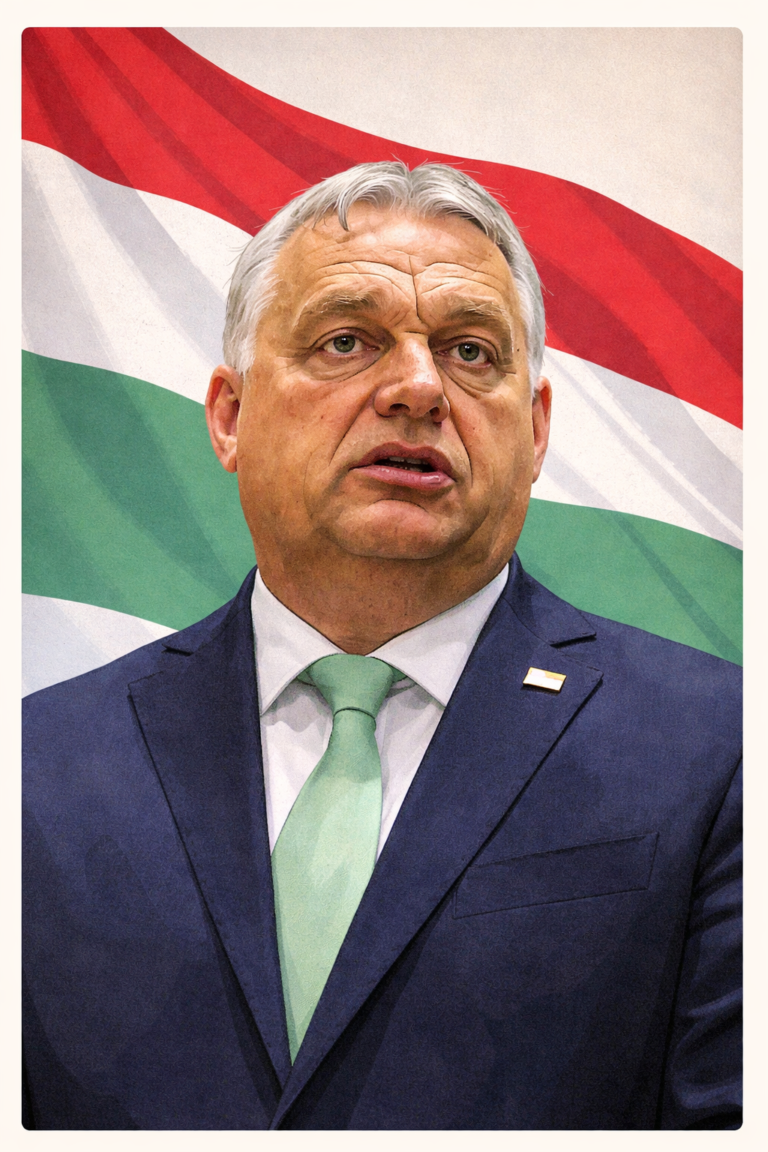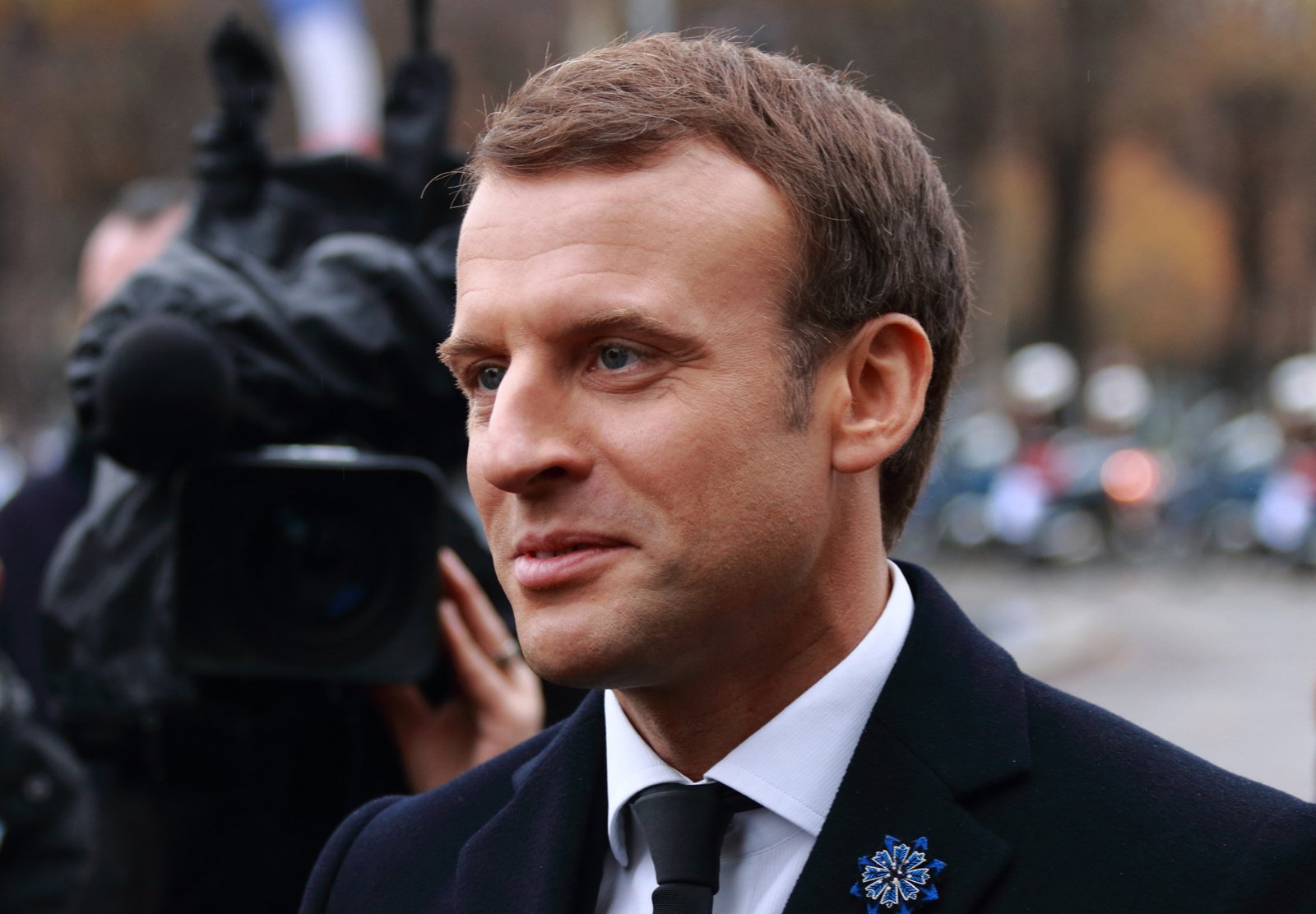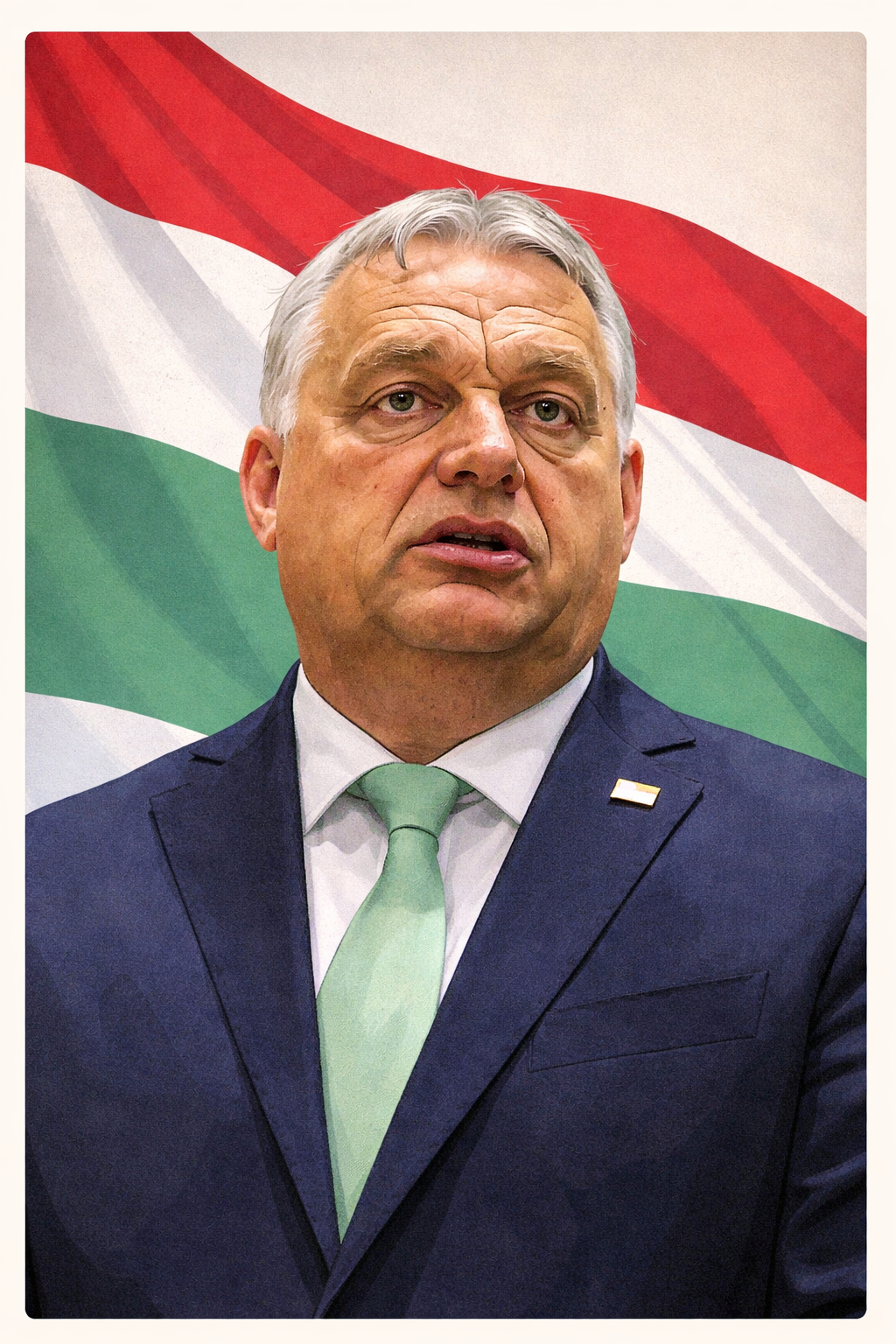
Viktor Orbán has conceded defeat after 16 years in power as Hungary’s prime minister, acknowledging a “painful” but decisive loss to Péter Magyar and his Tisza Party.
With nearly all ballots counted, Magyar’s movement is on track for a two-thirds supermajority in parliament which grants the incoming administration the constitutional tools to reshape the institutional architecture that Orbán and Fidesz meticulously constructed over more than a decade.
Orbán’s system did not crumble in a single election cycle; it aged into vulnerability.
For years, Hungary’s model relied on a potent combination of Centralized political control, selective economic patronage and strategic confrontation with the European Union.
Culture Wars to Cost-of-Living Politics
Orbán’s campaign leaned heavily on geopolitical anxieties, especially the risk of Hungary being pulled into the Russia-Ukraine conflict. This narrative had proven effective in past elections, consolidating his base through appeals to identity and security.
In 2026, it ran headlong into economic reality.
Magyar deliberately avoided ideological terrain. Instead, he centered his campaign on bread-and-butter issues:
- Wage stagnation
- Decaying healthcare
- Everyday affordability
By forcing the contest onto the ground of domestic welfare rather than external threats, the opposition neutralized one of Orbán’s strongest political weapons.
Rather than cobbling together a fragile left-to-right coalition, the Tisza Party established itself as a credible centre-right alternative challenging Orbán directly on his traditional turf.
This approach delivered two critical advantages:
- It reduced the emotional barrier for disillusioned Fidesz voters to switch sides.
- It transformed the election from a stark choice between “stability versus chaos” into a contest between two competing visions of stability.
In doing so, Magyar elevated the opposition from a vehicle for protest to a plausible government-in-waiting.
Clean Sweep
A two-thirds majority gotten by Péter Magyar in Hungary is structural, not symbolic. It unlocks the power to:
- Amend the constitution
- Redesign key institutions
- Dismantle entrenched legal frameworks
Magyar thus inherits not only the state, but the very instruments Orbán used to consolidate and entrench power. This creates a striking paradox: the centralized authority that enabled Orbán’s long dominance now equips his successor to potentially unwind it. Whether Magyar exercises restraint or mirrors the previous concentration of power will shape Hungary’s democratic path for years to come.
Magyar’s win points toward:
- A reset in EU–Hungary relations
- Renewed access to withheld EU funds
- A realignment with mainstream European policy priorities
Orbán had become a touchstone for nationalist leaders worldwide and received explicit support from Donald Trump during the campaign. His defeat demonstrates that even long-incumbent populist systems remain electorally vulnerable—especially when economic performance falters. It also undermines the idea that such models inevitably become permanently entrenched.

What Magyar Must Now Prove
Victory has settled the question of power, but not of governance.
Magyar faces three immediate tests:
- Institutional credibility: Can he deliver meaningful reform without replicating the centralized control he opposed?
- Economic delivery: Can his anti-corruption drive translate into measurable improvements in growth and living standards?
- Coalition management: Can a movement optimized for electoral victory evolve into a coherent governing force?