Nigeria’s banks have adjusted foreign exchange rates downward for international card payments, offering a brief reprieve after a period of steady increases.
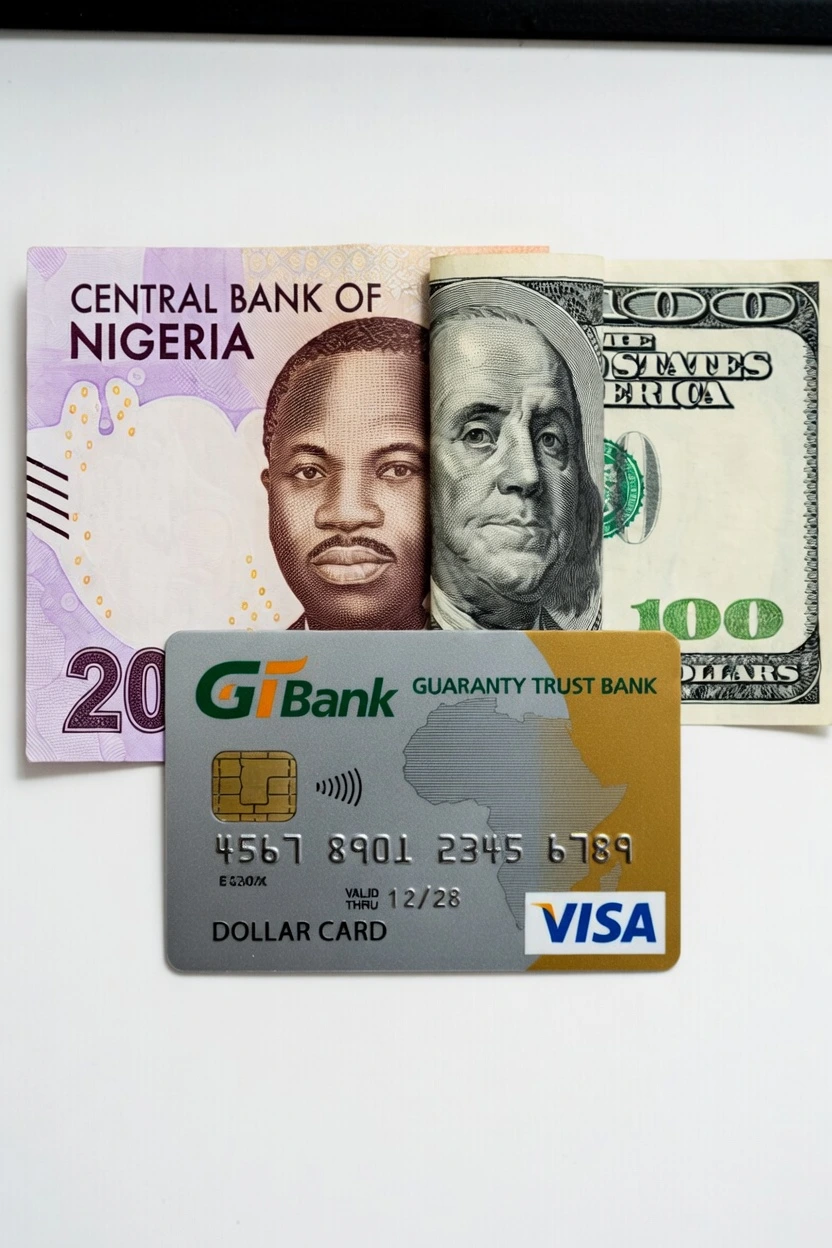
Nigeria’s banks recorded a moderate downward adjustment in foreign exchange rates for international card payments on April 2, with Guaranty Trust Bank (GTBank) quoting ₦1,388 per dollar, while Stanbic IBTC Bank set its rate at ₦1,400 per dollar.
The revised rates apply to international transactions conducted via naira debit cards, including online subscriptions, digital services, and cross-border purchases.
A Coordinated Pullback After Recent Highs
The latest pricing marks a shift from the upward trend seen in late March:
- GTBank: ₦1,394 → ₦1,388 (−₦6)
- Stanbic IBTC: ₦1,410 → ₦1,400 (−₦10)
This coordinated downward movement suggests a temporary easing in FX pressures, possibly linked to:
- Improved short-term dollar liquidity
- Reduced immediate demand for FX
- Tactical repricing by banks after recent increases
Narrowing Spread Signals Convergence
The gap between both banks has narrowed significantly:
- Previous spread: ₦16 (March 30)
- New spread: ₦12 (April 2)
This points to a partial convergence in FX pricing, even as banks continue to operate independently.
Market Still Volatile Despite Short-Term Relief
While the downward adjustment may offer some relief to consumers, the broader trend remains one of volatility rather than stability.
Recent movements across a short period show:
- Rapid increases followed by corrections
- Daily repricing by banks
- Continued sensitivity to FX liquidity conditions
The naira continues to trade within a wide band, with card rates reflecting real-time adjustments rather than fixed pricing.
Spending Limits Remain Unchanged
Both banks have retained their international transaction caps:
- GTBank: $6,000 per quarter
- Stanbic IBTC: $4,000 per quarter
These limits remain central to managing FX demand as access to international payments expands.
A More Market-Responsive System
The pattern of rising and falling card FX rates underscores a structural shift in Nigeria’s financial system:
- FX pricing is now market-driven and dynamic
- Banks adjust rates based on liquidity and risk conditions
- Consumers are increasingly exposed to daily price movements
This represents a departure from earlier years when rates were more administratively controlled but access was restricted.

Implications for Consumers
For users of international services:
- FX rates may move in either direction within days
- Timing of transactions can now affect actual costs
- Differences between banks may create opportunities for cost optimisation
FX Tracker Update
| Date (2026) | GTBank (₦/$) | Stanbic IBTC (₦/$) |
| Mar 13 | ₦1,385 | ₦1,395 |
| Mar 26 | ₦1,401 | ₦1,395 |
| Mar 27 | ₦1,401 | ₦1,405 |
| Mar 30 | ₦1,394 | ₦1,410 |
| Apr 02 | ₦1,388 | ₦1,400 |