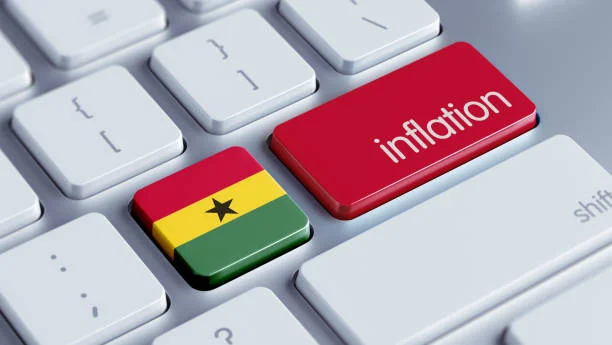
Ghana’s headline inflation rate continued its downward trend for the 13th consecutive month, dropping to 3.8% year-on-year in January 2026, down from 5.4% in December 2025.
This represents a 1.6 percentage point decline in just one month and marks the lowest inflation rate recorded since the rebasing of the Consumer Price Index (CPI) in 2021. Some sources describe it as the lowest level in nearly three decades (since around 1999).
The data was released by the Ghana Statistical Service (GSS) and announced by Government Statistician Dr. Alhassan Iddrisu during a press briefing in Accra.
Key Highlights
- Food inflation eased to 3.9% (the main driver of the overall decline, down from 4.9% in December 2025).
- Non-food inflation also fell to 3.9% (from 5.8% in December).
- Month-on-month inflation was very low at 0.2% (compared to 0.9% in December), indicating minimal price increases during January.
- From January 2025 (when inflation stood at 23.5%) to January 2026, the rate has fallen by 19.7 percentage points.
- This continues the sharp disinflation from the peak of 54.1% in December 2022.
Dr. Alhassan Iddrisu emphasized: “The sustained decline shows that Ghana is firmly on the path to price stability.”
Economic Implications
The sharp slowdown in inflation gives the Bank of Ghana additional room to continue reducing its policy rate. Since July 2025, the central bank has already cut its main lending rate by 12.5 percentage points. Following its first meeting in 2026, the policy rate stands at 15.5% (down from 18%).

Lower inflation and cheaper borrowing costs are expected to ease pressure on households and businesses while supporting broader macroeconomic stability.
This positive trend reflects improved price dynamics, particularly in food and other consumer items, and reinforces Ghana’s ongoing economic stabilization efforts.