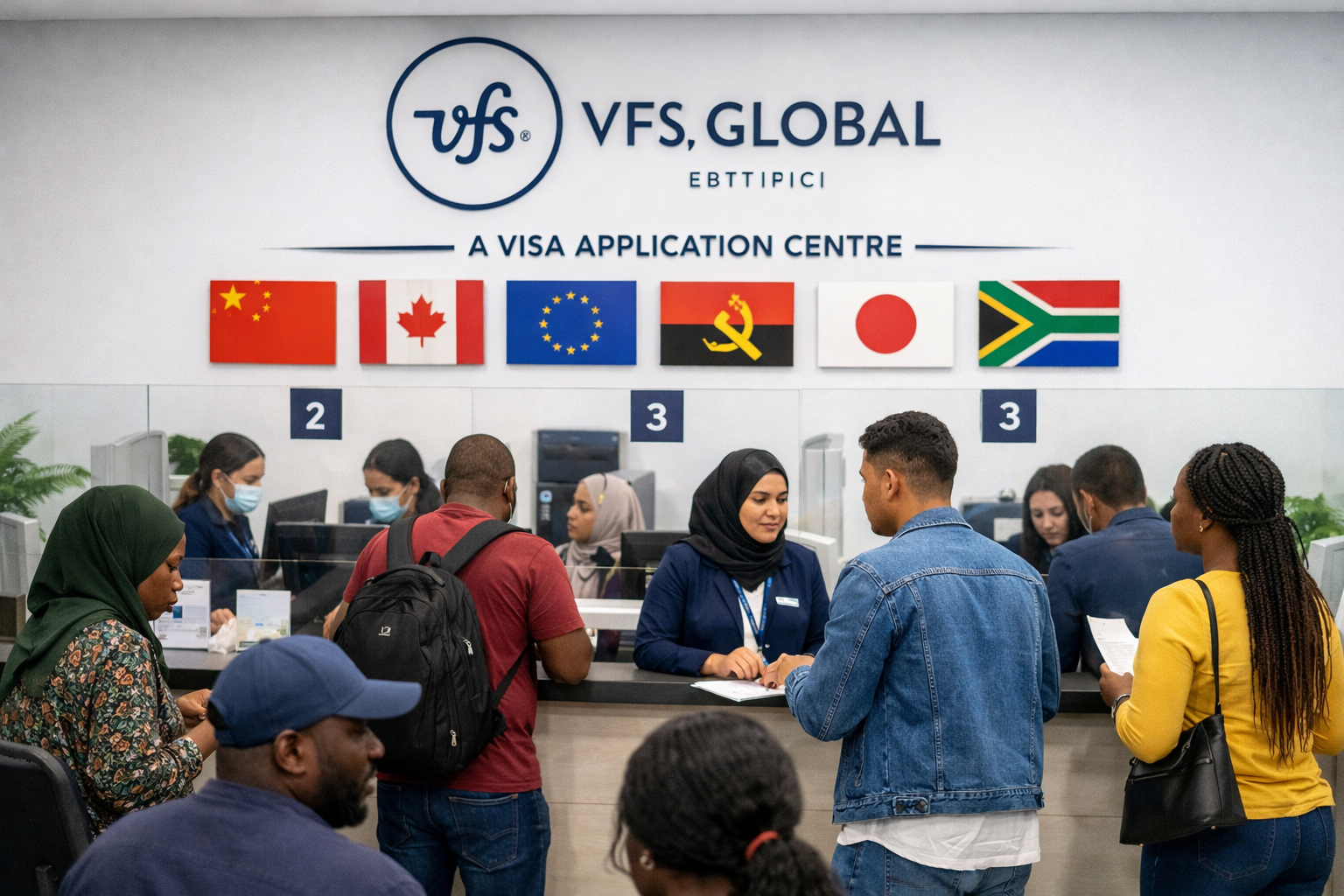
Germany’s Opportunity Card—popularly called the Chancenkarte—has gone viral across Nigerian social media as a supposed “no-stress” route to Europe.
Short videos and posts promise easy entry, instant jobs, and a fast track to permanent residence.
The reality is more nuanced.
This standalone explainer separates what the Opportunity Card actually offers from what social media often implies, with a clear focus on Nigerian applicants considering Germany as a work destination.
Myth 1: “Germany has opened its doors to everyone”
Fact:
Germany has not opened its doors to everyone.
The Opportunity Card is selective and skills-based.
It targets people who already meet minimum thresholds in education, experience, language ability, and financial readiness.
Applicants without recognised qualifications or verifiable skills are unlikely to qualify, regardless of age or enthusiasm.
Myth 2: “You don’t need skills or qualifications”
Fact:
This is false. The Opportunity Card is not:
- An asylum route
- A humanitarian visa
- A general migration lottery
Germany requires either:
- A recognised vocational or university qualification, or
- A minimum points score based on skills, experience, age, and language ability
Purely informal work experience, undocumented apprenticeships, or “street skills” rarely meet the standard.
Myth 3: “Germany will give you a job once you arrive”
Fact:
Germany does not assign jobs to Opportunity Card holders.
What the visa provides is:
- Legal entry
- Time (up to 12 months)
- Permission to job-hunt and work part-time
What it does not provide:
- Guaranteed employment
- Housing
- Welfare benefits
- Employer sponsorship
You must compete in the German labour market on merit.
Myth 4: “You can survive on part-time work alone”
Fact:
This is one of the most dangerous misconceptions.
While part-time work (up to 20 hours per week) is allowed, it is:
- Not guaranteed
- Not always immediately available
- Often insufficient to cover living costs
Germany requires proof of financial self-sufficiency before issuing the visa. Applicants who arrive underfunded risk:
- Visa refusal
- Inability to extend or convert status
- Serious financial hardship
Myth 5: “English is enough—no need to learn German”
Fact:
English may be sufficient to enter, especially in tech roles, but German is critical for long-term success.
Without German:
- Job options narrow sharply
- Career progression stalls
- Integration becomes difficult
For healthcare, trades, and regulated professions, German (B1–B2) is effectively mandatory.
Myth 6: “The Opportunity Card leads automatically to permanent residence”
Fact:
The Opportunity Card is temporary.
It does not:
- Grant permanent residence
- Guarantee settlement
- Automatically allow family reunification
Permanent residence becomes possible only after:
- Securing skilled employment
- Converting to a standard work residence permit
- Meeting residence, income, and contribution requirements
Myth 7: “If you’re young, approval is almost guaranteed”
Fact:
Age helps—but it is not decisive.
A 24-year-old with no recognised qualification, no language skills, and no savings is less competitive than a 35-year-old nurse, engineer, or technician with documented experience and basic German.
Germany prioritises employability, not youth alone.
Myth 8: “Agents can guarantee approval”
Fact:
No agent can guarantee a German visa.
The German system is:
- Rule-based
- Documentation-driven
- Assessed by embassies and immigration offices
Be cautious of anyone promising:
- Guaranteed visas
- Special access
- Insider shortcuts
Most refusals occur due to weak documentation, unrecognised qualifications, or inadequate finances.
Myth 9: “The Opportunity Card is a shortcut to Europe”
Fact:
It is not a shortcut. It is a structured labour-market entry tool.
Germany’s message is clear:
“If you already have skills we need, we will give you time and legal access to prove yourself.”
Applicants who succeed typically:
- Prepare months in advance
- Align skills with shortage occupations
- Learn German
- Budget realistically
- Treat migration as a professional move, not an escape
What Social Media Often Gets Wrong
Social media frames the Opportunity Card as:
- A rescue route
- A mass migration opening
- A low-effort opportunity
In reality, it is:
- Competitive
- Skills-filtered
- Documentation-heavy
- Financially demanding
For qualified Nigerians, it is one of the most credible legal migration pathways to Europe today.
For unprepared applicants, it is a reality check, not a promise.

Practical Advice Before You Apply
If you are considering the Opportunity Card:
- Verify qualification recognition early
- Invest in German language learning
- Build verifiable work history
- Save aggressively
- Ignore viral “shortcuts”
The difference between success and disappointment is preparation, not luck.