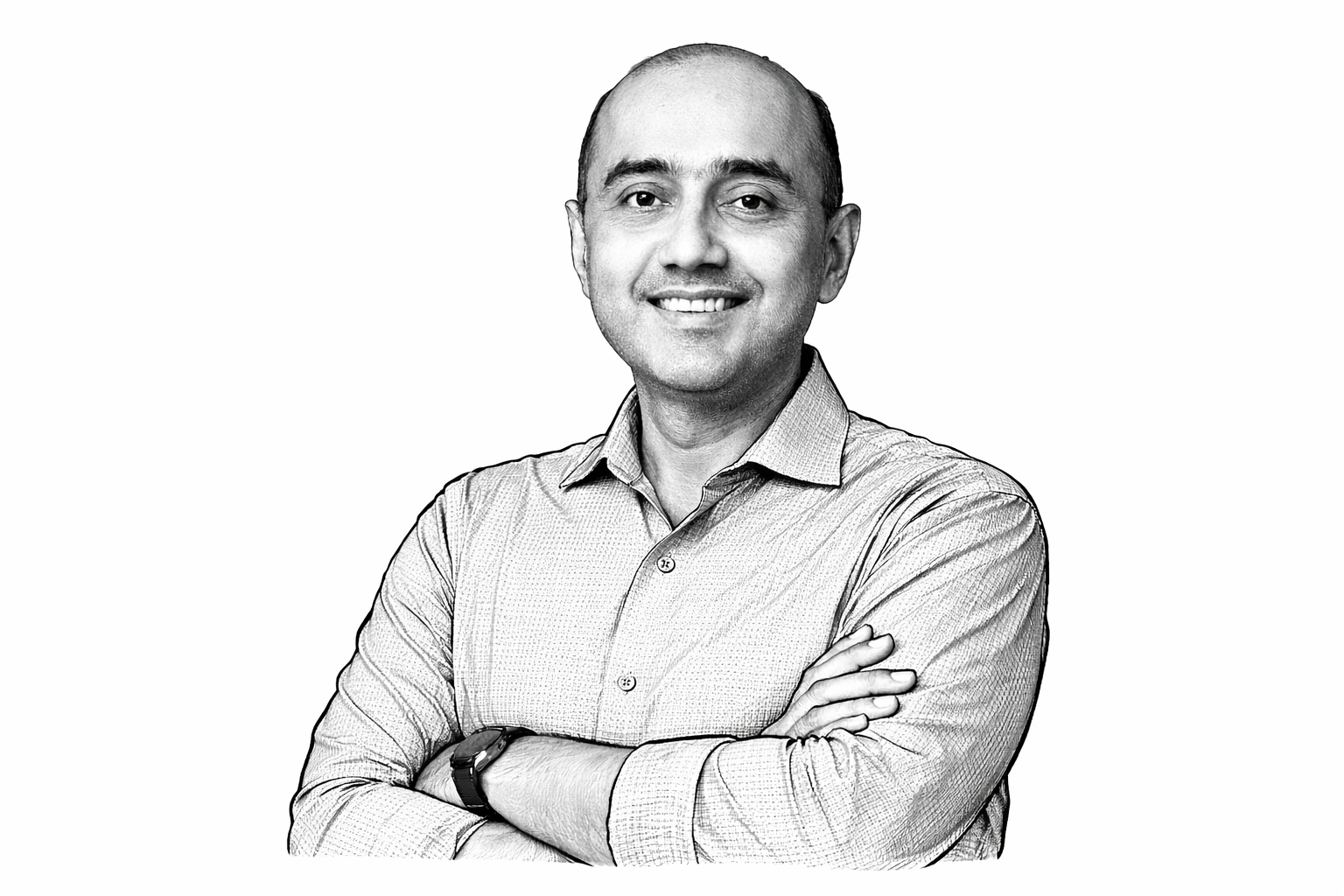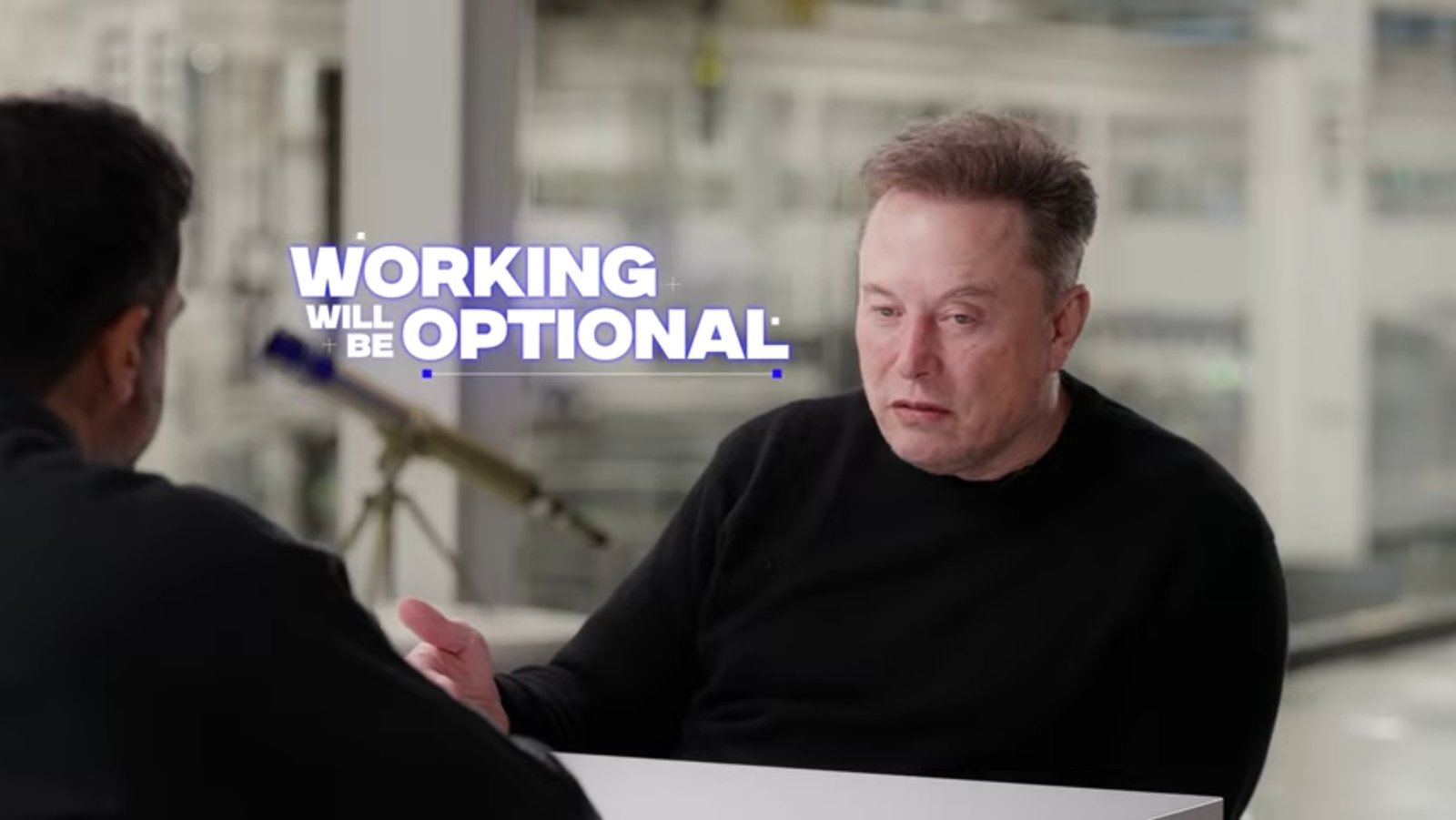
In a recent conversation with Zerodha co-founder Nikhil Kamath, tech billionaire Elon Musk shared a bold prediction about the future of work, suggesting that advancements in artificial intelligence and robotics could make traditional employment optional within the next two decades.
The discussion, which explored the long-term societal impact of rising automation, touched on evolving workplace norms, urban living, and global shifts in productivity.
Kamath raised concerns about whether a more automated economy—one in which Universal Basic Income (UBI) might evolve into Universal High Income (UHI)—would push more people toward densely populated cities or give rise to a renewed preference for rural lifestyles.
Musk noted that such choices would ultimately depend on individual preference rather than economic necessity.
“It won’t be the case that you have to be in a city for a job,” Musk said. “My prediction is that in the future, working will be optional.”
The conversation also addressed the progressive reduction of workdays occurring in parts of Europe and the West, where some industries are moving from six-day weeks to four- or even three-day schedules.
Musk, however, stressed that such flexibility does not extend to everyone—especially entrepreneurs or companies tackling difficult technological challenges.
“If you’re trying to make a startup succeed or make a company do very difficult things, you definitely need to put in serious hours,” he said.
When asked how society might adapt if people were required to work only half the week, Musk pushed his forecast even further, suggesting that humanity may soon reach a point where work is entirely optional.
“Maybe in less than 20 years—possibly even 10 to 15—the advancements in AI and robotics will bring us to a point where working is optional. People may treat work more like a hobby,” he said.
Musk compared future work choices to growing vegetables at home: something people can do for personal satisfaction, but not out of necessity.
He acknowledged that the prediction may sound far-fetched today but believes rapid technological development will validate it.
With global discussions intensifying around automation, productivity, and the future of labor, Musk’s outlook adds to the growing debate about how societies should prepare for a world where machines handle most essential tasks—and where human work becomes a matter of passion rather than survival.
Watch full video here