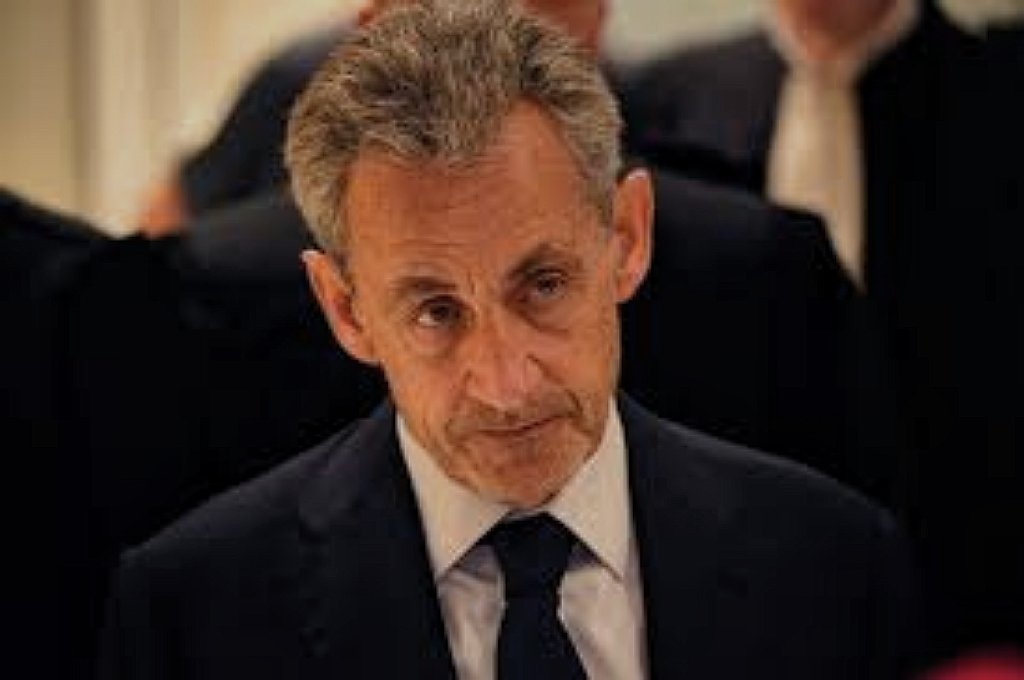
Nicolas Sarkozy, the former president of France, has begun serving a one-year prison sentence at a detention facility in Paris, marking a historic moment as the first former French head of state to be incarcerated for corruption.
Sarkozy, 70, was convicted in 2021 of attempting to bribe a magistrate, Gilbert Azibert, in exchange for confidential information about a separate investigation into illegal campaign financing during his 2007 presidential bid.
The scheme, uncovered through wiretapped phone conversations between Sarkozy and his lawyer Thierry Herzog, involved an alleged offer to secure Azibert a prestigious position in Monaco.
A French court initially sentenced Sarkozy to three years, with two suspended. An appeals court upheld the conviction in 2023, and France’s highest court, the Court of Cassation, confirmed the one-year prison term in June 2024.
Sarkozy was fitted with an electronic monitoring bracelet and is serving his sentence under house arrest at his Paris residence, though he reported to a detention center Tuesday morning to begin formal processing.
Sarkozy has consistently denied wrongdoing, calling the case a “political witch hunt.” His legal team argues that no material benefit was ever exchanged and that the wiretaps violated attorney-client privilege.
The former president, who led France from 2007 to 2012, faces additional legal challenges.
He is appealing a separate conviction for illegal campaign financing related to his failed 2012 re-election bid, which also carries a suspended sentence.
Sarkozy’s imprisonment underscores a broader crackdown on political corruption in France, though critics argue the use of wiretaps in high-profile cases raises questions about judicial overreach.
His supporters gathered outside the Paris detention center Tuesday, holding signs reading “Liberté pour Sarkozy” (Freedom for Sarkozy).
Meanwhile, political opponents hailed the ruling as proof that no one is above the law.

Sarkozy remains a polarizing figure in French politics, admired by conservatives for his economic reforms and criticized by the left for his hardline stance on immigration and security.
As he begins his sentence, the case closes a turbulent chapter in Sarkozy’s post-presidency, though his legal battles are far from over.