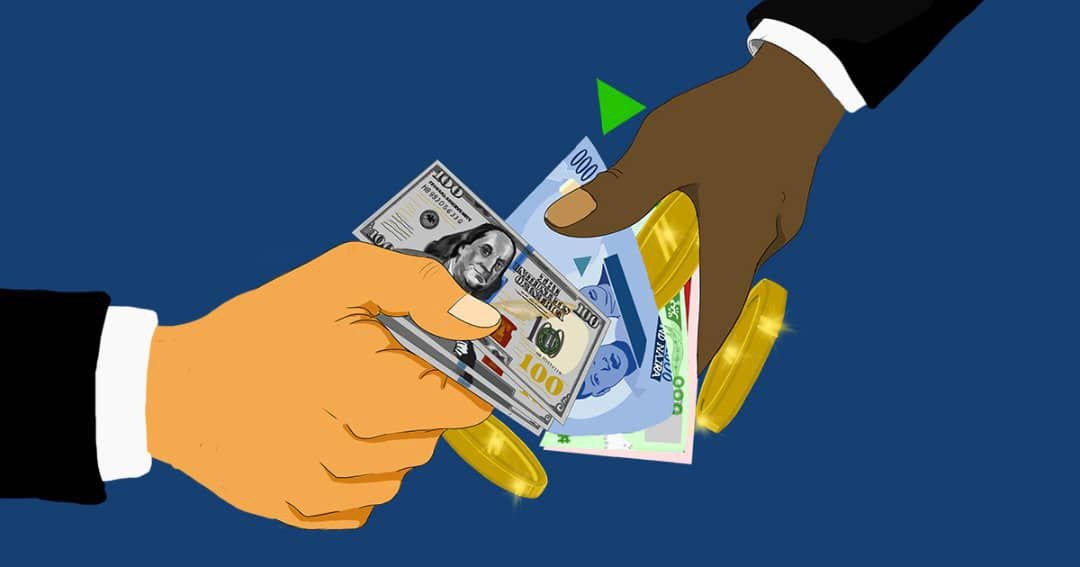
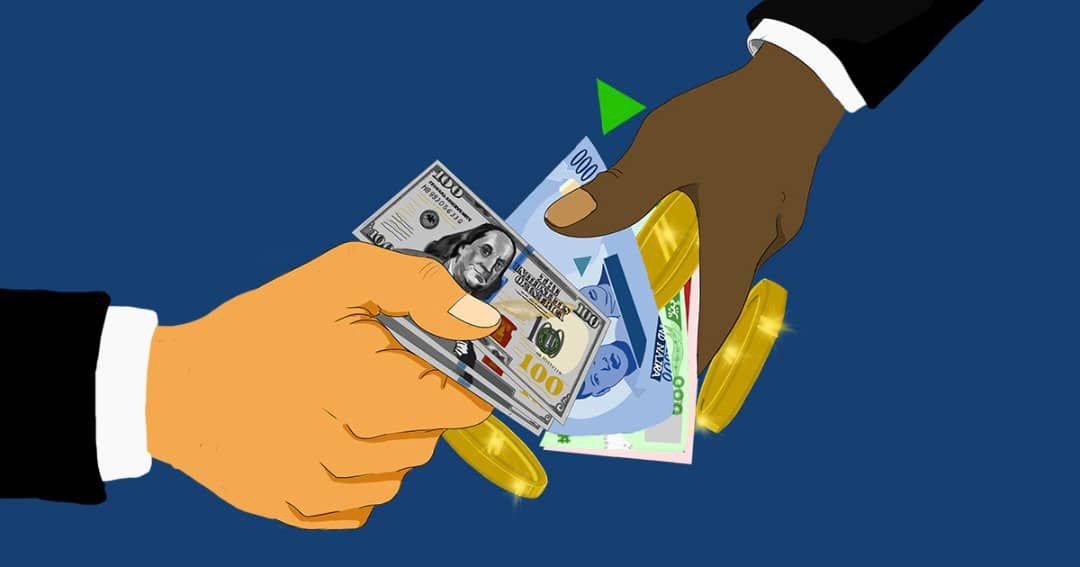
The US Federal Reserve cut interest rates by 0.25% in September 2025, lowering them to about 4.1%.
This change affects countries like Nigeria because it shifts how investors move their money around the world.
More Foreign Money Coming to Nigeria
When US interest rates drop, investors look for better returns elsewhere, and Nigeria becomes more attractive.
Nigerian government bonds now offer higher returns compared to US bonds, drawing more foreign investment.
However, most of this money goes into stocks and bonds rather than FDIs like building new businesses, which means it can leave quickly if conditions change.
In 2024, total NGX transactions stood at N5.86 trillion. Foreign investors accounted for N852 billion (15.25%), while domestic investors executed N4.735 trillion (84.75%).
Within this, foreign inflows were N396.1 billion and outflows N455.61 billion, implying a net outflow of N59.51 billion.
More foreign investment means more US dollars flowing into Nigeria’s economy. This extra supply of dollars typically makes the naira stronger and helps the Central Bank maintain foreign reserves.
A stable currency is crucial for Nigeria since the country imports many goods and needs dollars to pay for them. When the naira is stable, businesses can plan better and inflation usually stays lower.
Cheaper Loans for Nigerian Businesses
US rate cuts could signal for lower interest rates in other countries, including Nigeria.
Experts predict Nigerian interest rates could fall before the end of 2025, making loans cheaper for businesses.
Lower borrowing costs would especially help manufacturing companies that need expensive equipment and machinery. These businesses have struggled with high loan costs, so cheaper money could help them grow and hire more workers.
Higher Oil Prices
US rate cuts usually weaken the dollar, which pushes up oil prices worldwide. Since Nigeria depends heavily on oil exports for government income, higher prices mean more money for public spending.
Oil sales provide over 80% of Nigeria’s export earnings, making price changes very important for the economy. More oil revenue gives the government extra funds for roads, schools, and other development projects.
Banks Get More Money to Lend
Nigerian banks benefit when foreign investors put money into the country’s financial system.
More deposits mean banks have more money available to lend to individuals and businesses.
Extra bank funding could lead to lower loan rates and easier credit access for small businesses. Many Nigerian entrepreneurs have struggled to get affordable loans, so this improvement could help them start or expand their companies.
Easier Debt Payments for Government
A stronger naira makes it cheaper for Nigeria to pay back money borrowed in foreign currencies.
Since debt payments take up a large portion of government spending, this relief creates room for other priorities.
Lower debt costs mean more money available for healthcare, education, and infrastructure projects. This shift could boost economic growth and improve living standards for ordinary Nigerians.
Mixed Effects on Prices
The Central Bank of Nigeria faces a balancing act as more foreign money enters the economy.
While a stronger currency helps control import prices, extra cash in the system might push up domestic prices.
Food costs, which have been rising rapidly, could benefit from better import financing and currency stability. However, officials must watch carefully to prevent too much money from causing inflation in other areas.
Stock Market Gets a Boost
The Nigerian Stock Exchange should benefit as foreign investors buy more local shares seeking higher returns.

International money typically flows into emerging market stocks when US rates fall.
More trading activity and higher stock prices help Nigerian companies raise money more easily for expansion.