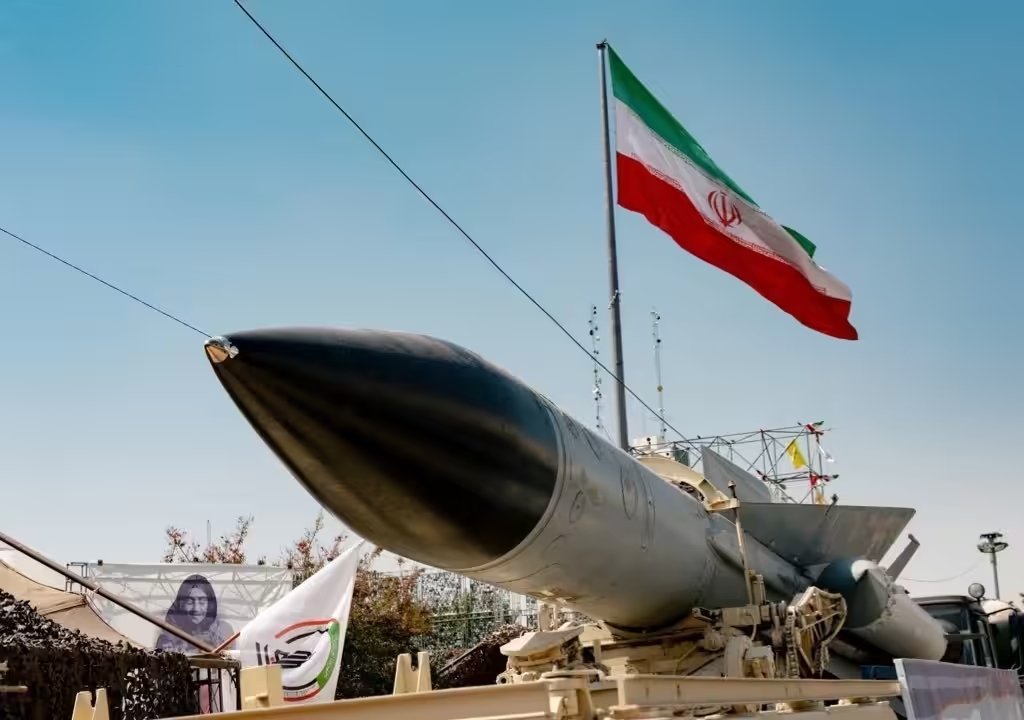
The United Nations Security Council has adopted a resolution demanding that Iran immediately halt attacks on Gulf states, in a move that highlights growing international alarm over a conflict now threatening global energy security and regional stability.
The resolution passed with 13 votes in favour, while China and Russia abstained. The measure condemns Iran’s missile and drone strikes against Gulf states and calls for an immediate cessation of attacks targeting civilian infrastructure and energy facilities. Notably, the resolution does not reference recent strikes by the United States or Israel on Iranian territory, a point that drew sharp criticism from Tehran.
Iran’s ambassador to the United Nations described the resolution as a “blatant misuse” of the Security Council, arguing that it selectively ignored actions taken against Iran. Moscow and Beijing also criticised the text as unbalanced, maintaining that it failed to address the broader military escalation involving Western and Israeli forces.
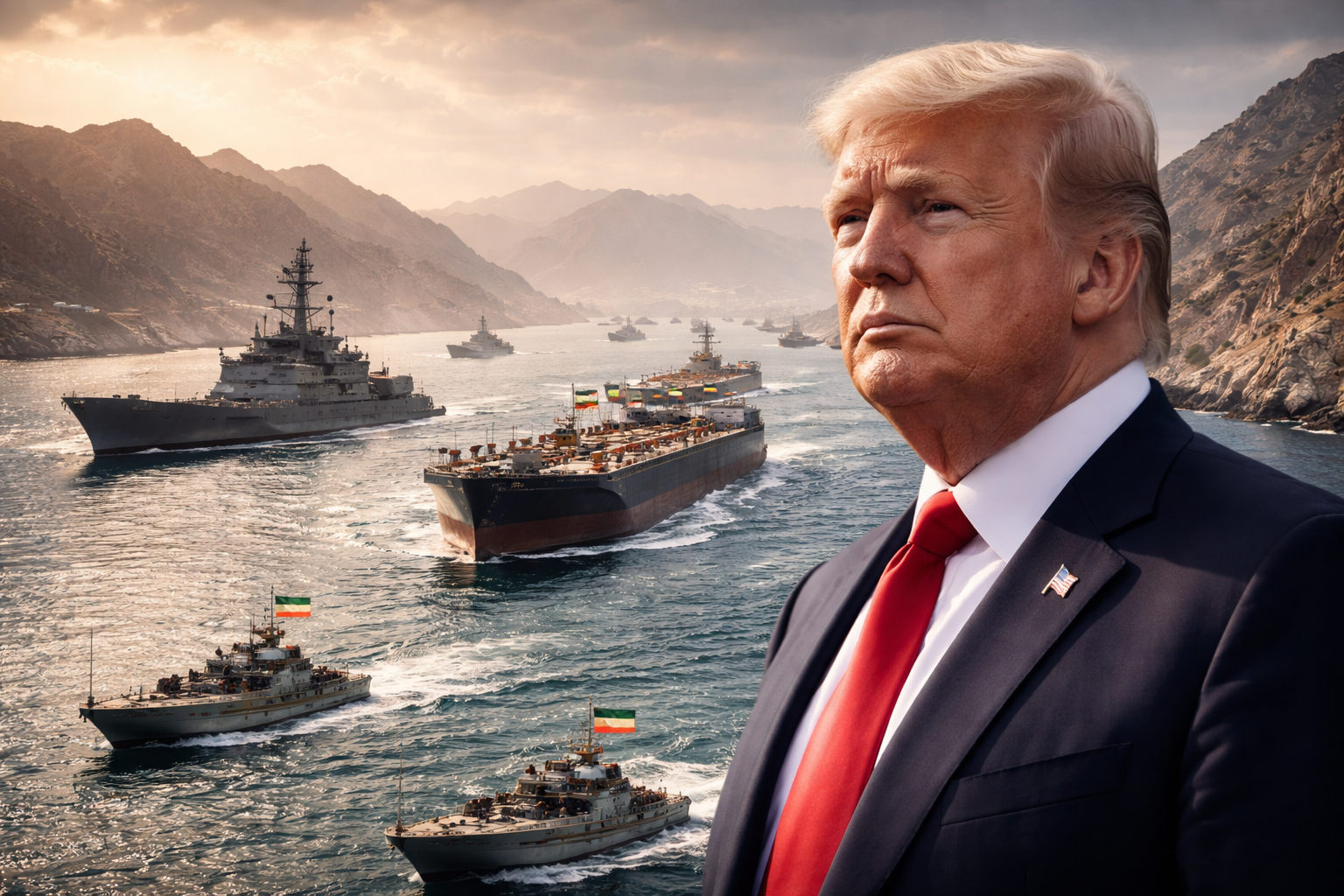
The diplomatic dispute comes amid intensifying hostilities across the Gulf, including attacks on shipping lanes and energy facilities near the strategically vital Strait of Hormuz—a narrow maritime corridor through which roughly one-fifth of the world’s oil supply passes. Any disruption to traffic through the strait carries immediate implications for global energy markets.
IEA Release of Oil Reserves
In response to mounting supply fears, the International Energy Agency announced that its 32 member countries would release a record 400 million barrels of oil from strategic reserves. The coordinated intervention aims to stabilise supply and curb surging energy prices amid the escalating conflict.
The geopolitical crisis is already affecting international finance and business operations in the Gulf. Major global banks including Citi and Standard Chartered have begun evacuating staff from offices in Dubai, while HSBC has temporarily closed branches in Qatar as a precautionary measure amid rising security risks.
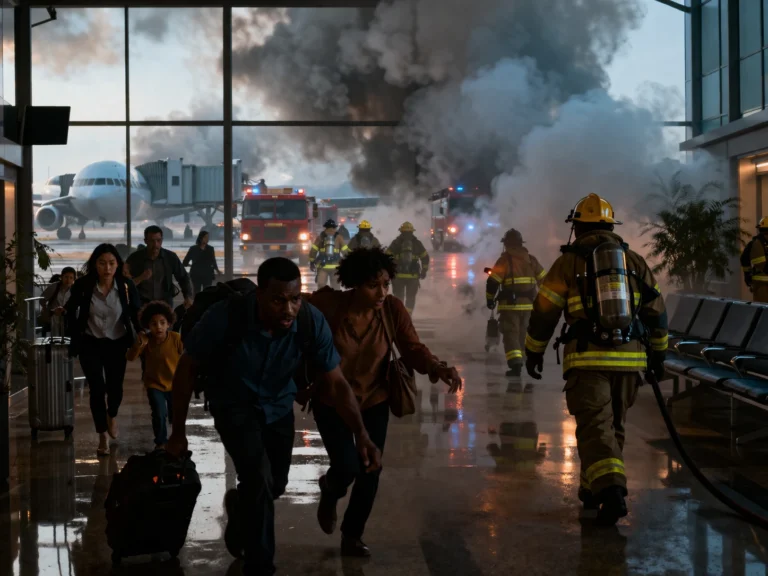
Washington has also signalled that its military response may continue if Iranian attacks persist, warning Tehran of further consequences. The growing confrontation has raised fears of a broader regional conflict that could disrupt trade routes, energy markets and aviation networks across the Middle East.
Beyond the economic fallout, the crisis is beginning to spill into social and cultural spheres. Iranian officials have indicated the country may be unable to participate in the upcoming FIFA World Cup due to the ongoing conflict and internal disruptions, underscoring how the geopolitical crisis is extending far beyond the battlefield.