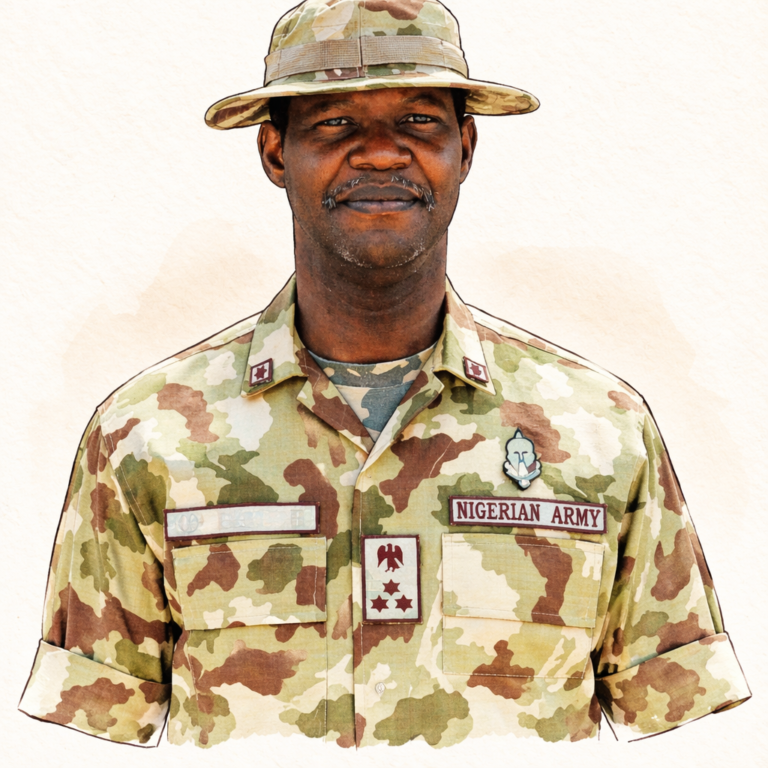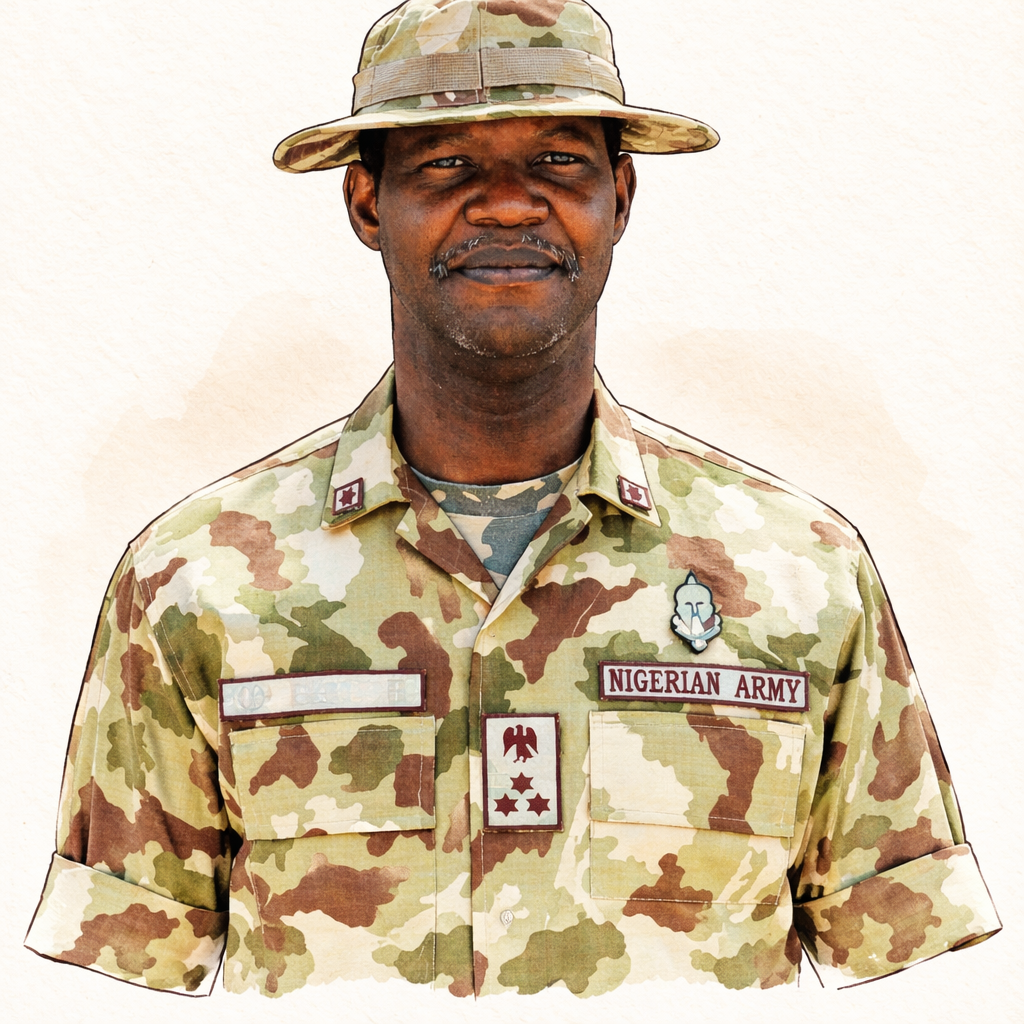
A senior Nigerian military officer, Brigadier General O.O. Braimah, has been killed in a jihadist assault on a military base in Borno, northeastern Nigeria, marking the second loss of a high-ranking officer in just five months.
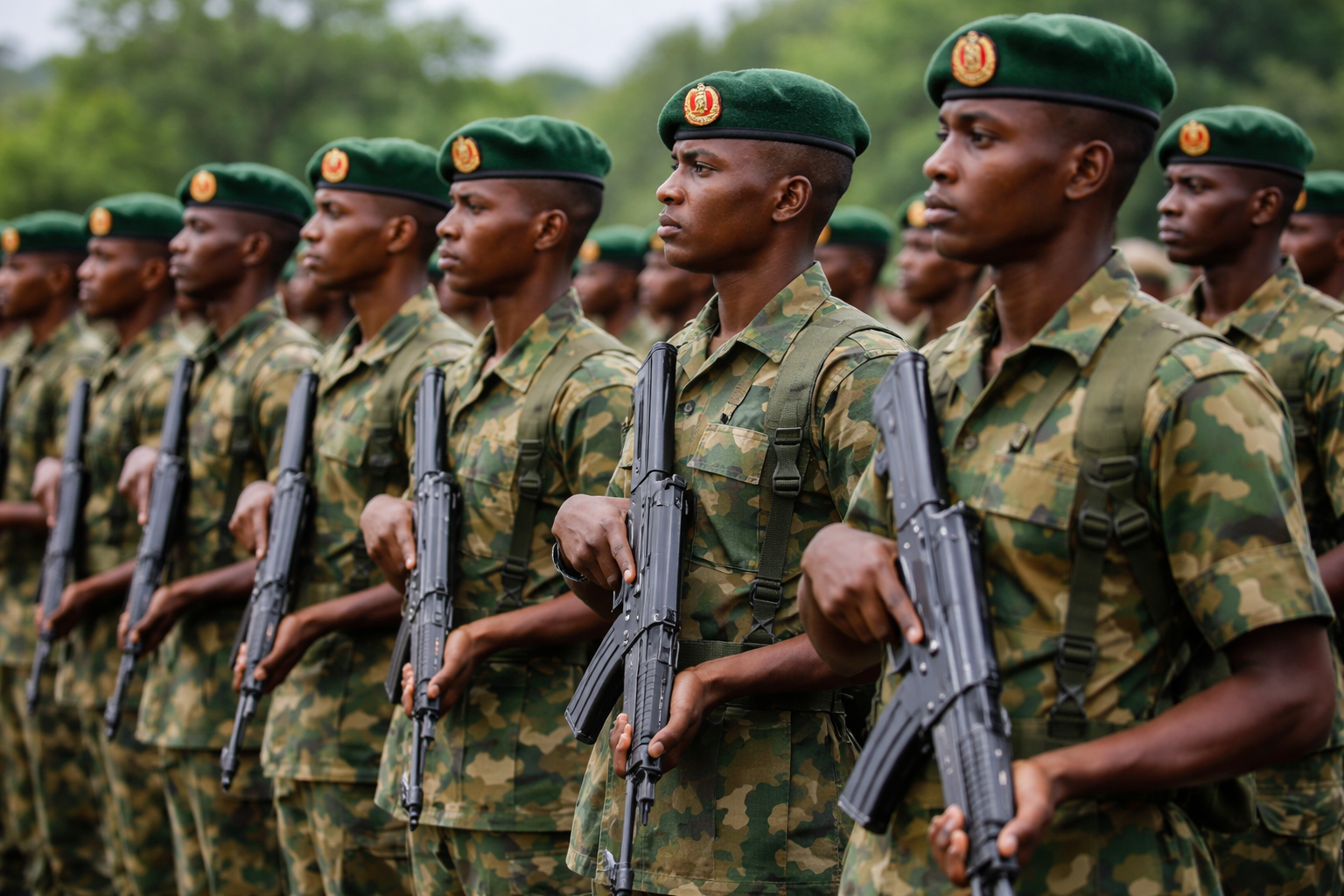
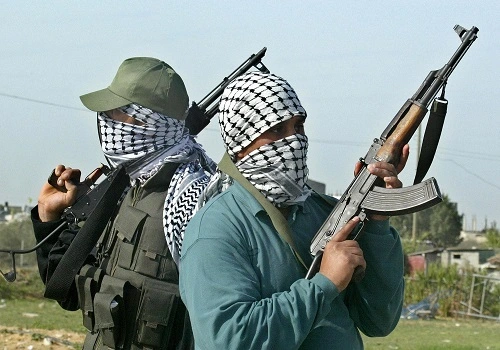
The attack occurred overnight in Benisheikh, a town located about 75 kilometres from Maiduguri, the capital of Borno State. According to local and intelligence sources, heavily armed insurgents stormed the military formation, killing at least 18 soldiers and setting vehicles and infrastructure ablaze.
Kaga Local Government Chairman, Zannah Lawan Ajimi, confirmed the death of Brigadier General Braimah in a telephone interview, describing the incident as a significant blow to military operations in the region.
“They overran the brigade,” one intelligence source said, adding that the casualty figure could be higher. Another source noted that the attackers “burnt vehicles and buildings before they withdrew,” without providing an exact death toll.
Military authorities, including Nigeria’s Defence Headquarters, have yet to issue an official statement on the incident.
The killing comes months after Brigadier General Musa Uba was reportedly killed by fighters from the Islamic State West Africa Province in November, highlighting a troubling pattern of targeted attacks on senior officers.
Escalating Insurgency
Nigeria has battled a jihadist insurgency for over 17 years, since the 2009 uprising led by Boko Haram. The conflict has since fragmented into multiple factions, including ISWAP, which has grown increasingly sophisticated in its operations.
Security analysts and conflict monitors warn that violence has intensified since 2025, with insurgents adopting more aggressive tactics and expanding their geographic reach.
Maiduguri has recently witnessed a resurgence of suicide bombings — a hallmark of the insurgency’s peak years — raising concerns about a potential rollback of earlier security gains.
Beyond the northeast, jihadist influence is spreading into northwestern Nigeria and parts of the Middle Belt, where armed groups have increasingly aligned with extremist networks.
In Kebbi State, at least 90 people were killed in coordinated attacks across several villages this week. Authorities attributed one of the assaults to a local jihadist faction linked to Al-Qaeda, underscoring fears of a broader regional spillover.
The Armed Conflict Location & Event Data Project has reported a surge in violence tied to both Islamic State and Al-Qaeda-affiliated groups across Nigeria and the wider Sahel region.
In a further sign of growing instability, the United States recently authorised the departure of non-emergency government personnel from Abuja, citing a deteriorating security environment.
Regional Threat Expands
The spread of jihadist activity into states such as Kwara and Sokoto signals a dangerous southward drift of insurgent networks from the Sahel, where groups linked to Al-Qaeda and Islamic State have long operated.
In December, US forces, in coordination with Nigerian authorities, conducted airstrikes in Sokoto State targeting fighters from the Islamic State Sahel Province (ISSP), a group typically active in Niger, Mali, and Burkina Faso.

As Nigeria grapples with evolving security threats on multiple fronts, the killing of Brigadier General Braimah underscores the persistent vulnerabilities facing its armed forces despite years of counterinsurgency efforts.