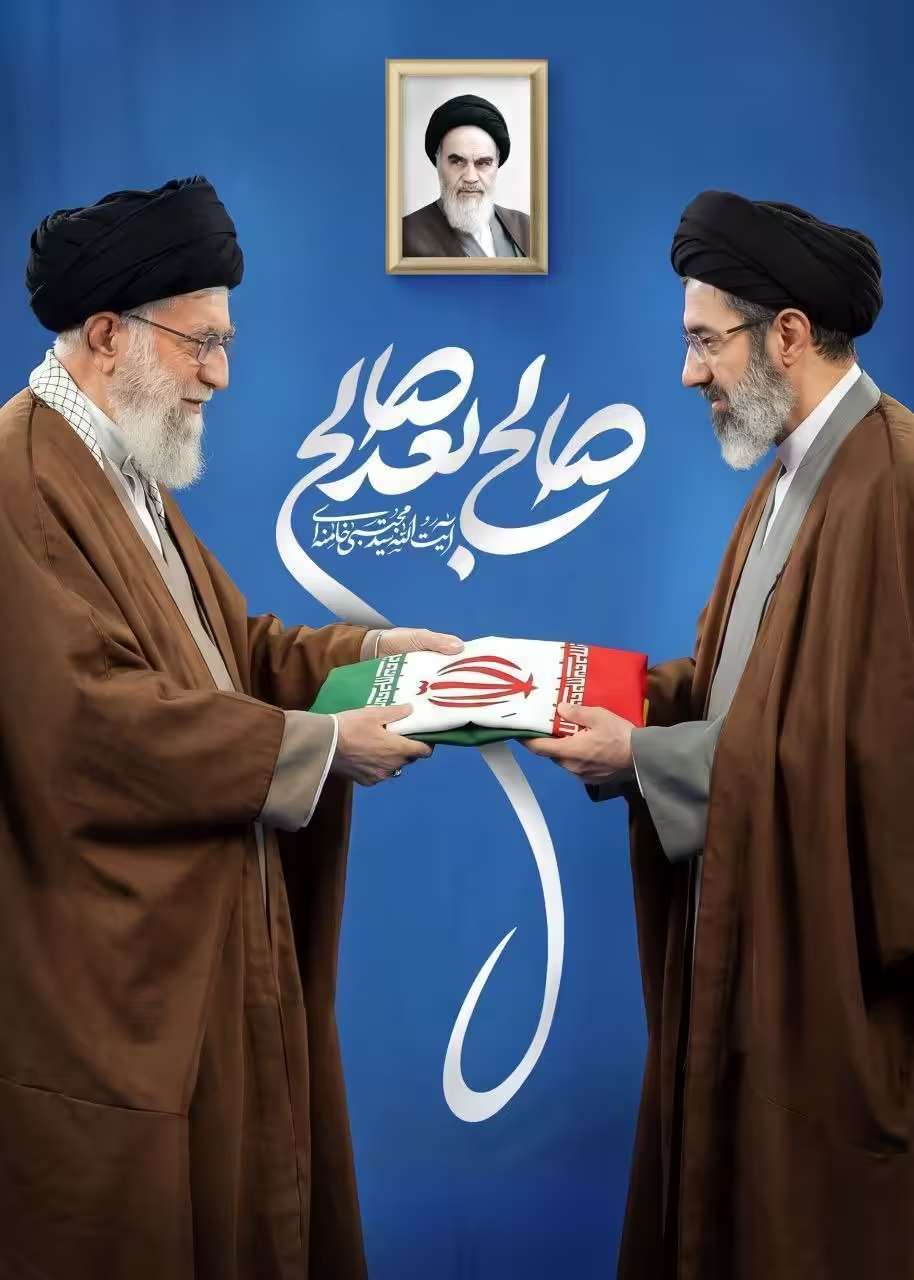
Iran’s powerful clerical body responsible for selecting the country’s highest authority has named Mojtaba Khamenei, the son of the late Ayatollah Ali Khamenei, as Iran’s new Supreme Leader.
The Assembly of Experts, the institution that appoints the Supreme Leader under Iran’s constitution, announced on Sunday that Mojtaba had been selected through what it described as a “decisive vote.” The assembly called on citizens, religious scholars, and academics to unite behind the new leadership as the country confronts a widening war with Israel and the United States. The 56-year-old cleric becomes the third Supreme Leader of the Islamic Republic and the first to inherit the role directly from his father, marking an unprecedented moment in the history of the republic founded after the 1979 Iranian Revolution.
His appointment follows the death of Ayatollah Ali Khamenei, who ruled Iran for 37 years, after a U.S.–Israeli strike on Tehran on 28 February 2026, the opening day of the current conflict.
Trump rejects Mojtaba Khamenei as Iran’s leader
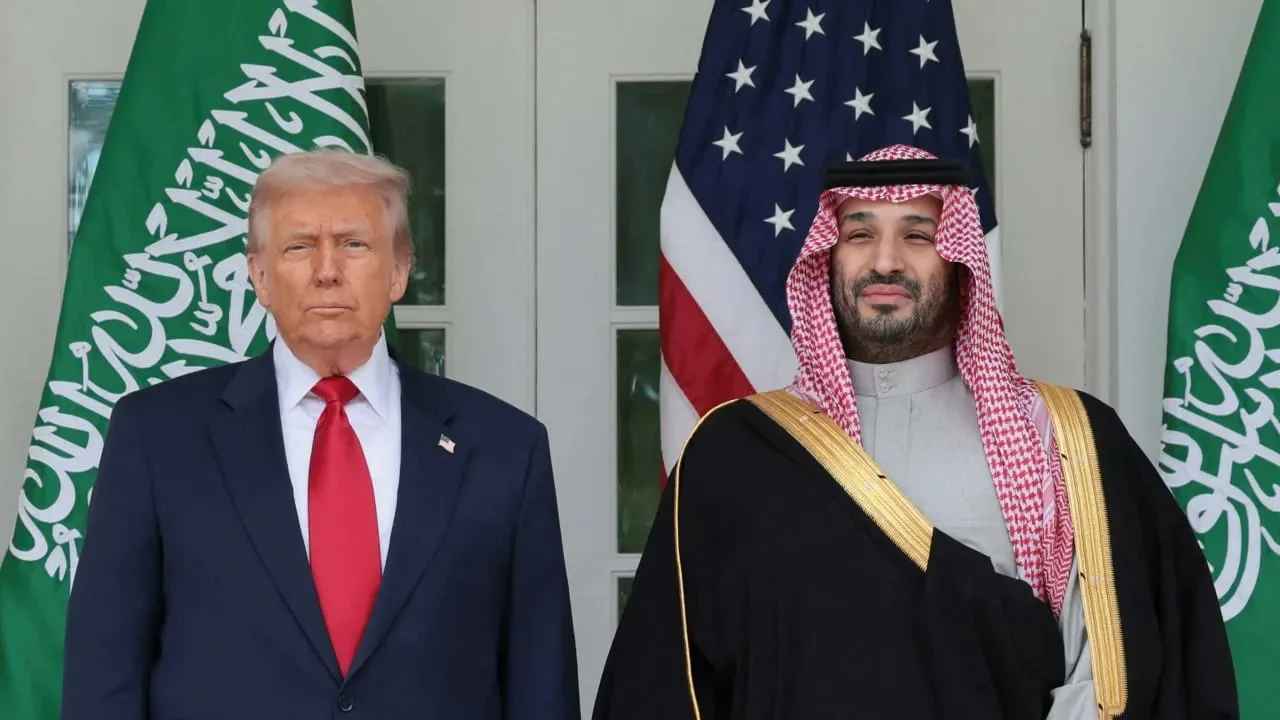
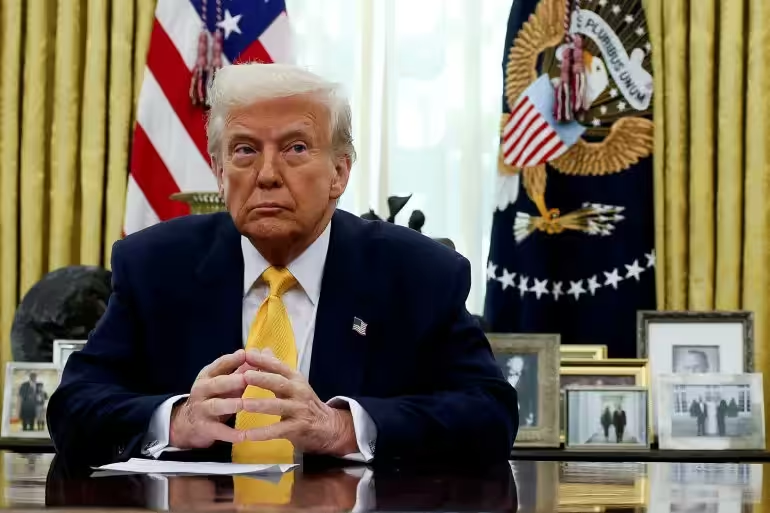
The appointment immediately intensified tensions with Washington and Israel. U.S. President Donald Trump had already warned that Mojtaba Khamenei would be an “unacceptable” successor, raising the prospect of further escalation in the war.
Speaking in an interview published by The Times of Israel, Trump said Iran’s next leader “is not going to last long” if Tehran does not gain American approval. He added that decisions about ending the war would be made jointly with Israeli Prime Minister Benjamin Netanyahu.
Trump also claimed that Iran would have destroyed Israel if Washington and Tel Aviv had not intervened militarily. These remarks underline the deep strategic divide between Iran’s leadership and the U.S.–Israel alliance, and suggest that Mojtaba’s appointment could harden positions on both sides.
Iranian institutions rally behind the new leader
Despite the international backlash, Iran’s core institutions quickly pledged loyalty to the new Supreme Leader.
Senior officials across the political and security establishment publicly endorsed Mojtaba Khamenei:
-
Iran’s armed forces declared allegiance to him.
-
The Islamic Revolutionary Guard Corps (IRGC) said it stood ready to follow his command.
-
Parliament leaders described loyalty to the new leader as a “religious and national duty.”
Former parliament speaker and senior political figure Ali Larijani said Mojtaba Khamenei was capable of leading the country during what he described as a “sensitive moment.” The rapid show of institutional unity suggests the Iranian leadership is attempting to project stability after the sudden death of the previous Supreme Leader and the outbreak of war.
Israeli strikes intensify after leadership change
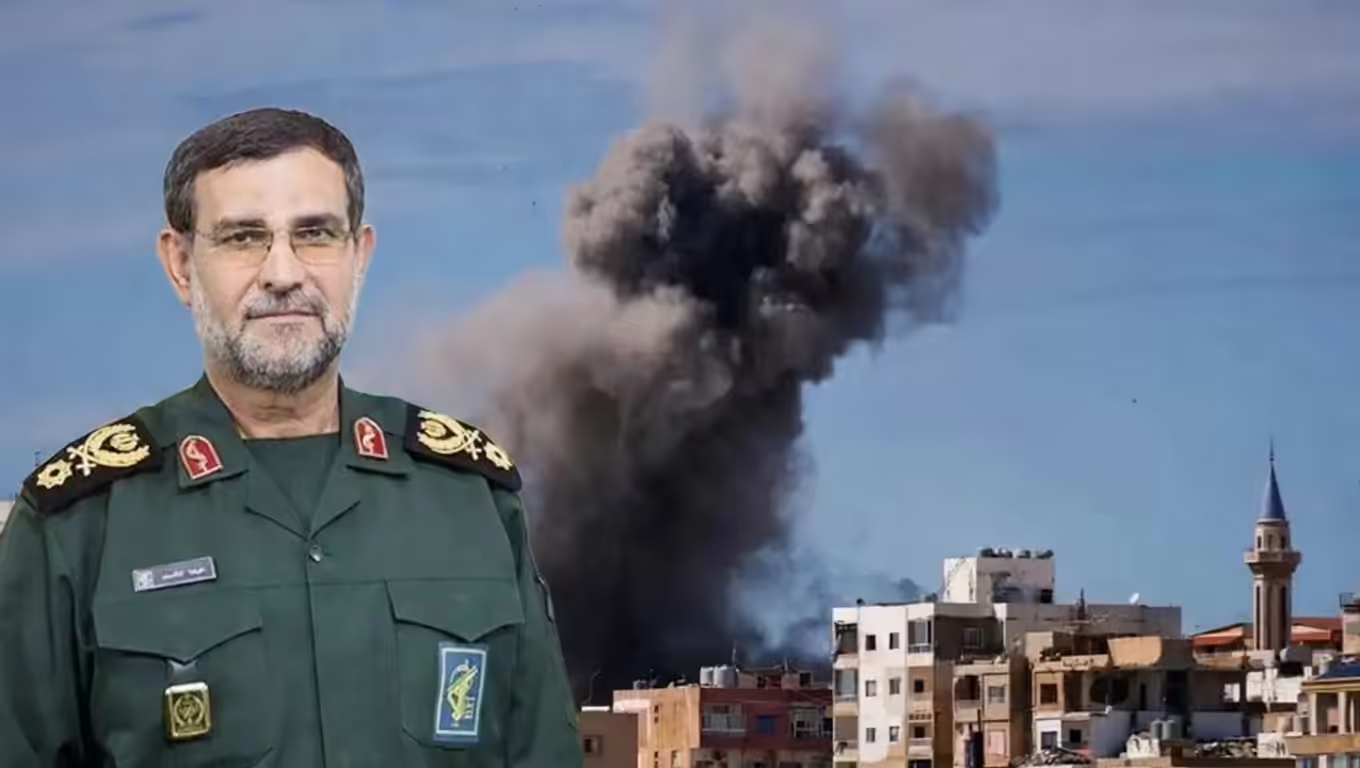
Within hours of the announcement, Israel said it launched a fresh wave of military strikes targeting what it described as “regime infrastructure” in central Iran. Israeli forces also reported attacking Hezbollah positions in Lebanon, signalling that the conflict remains regional in scope.
Iranian state media later broadcast footage of a projectile launched toward Israel bearing the slogan “At your command, Sayyid Mojtaba,” indicating symbolic support for the new leader among Iran’s military factions. Meanwhile, the Israeli military warned it would continue targeting figures involved in appointing or supporting Iran’s next leadership.
Iran-backed groups celebrate Mojtaba’s appointment
Iran’s regional allies quickly welcomed Mojtaba Khamenei’s rise to power. The Houthi movement in Yemen, which is aligned with Tehran, issued a statement congratulating Iran on the appointment, calling it “a victory for the Islamic Revolution.”
The message highlights the broader geopolitical dimension of Iran’s leadership transition. Tehran maintains a network of allied armed groups across the Middle East—including Hezbollah in Lebanon and militias in Iraq and Syria—which analysts say could play a greater role if the conflict deepens.
Who is Mojtaba Khamenei?
Born in 1969 in Mashhad, Mojtaba Khamenei grew up within the clerical and political establishment that emerged after Iran’s revolution. He studied theology in Qom, Iran’s most important religious centre, and reportedly participated in the final stages of the Iran–Iraq War during the 1980s.
Unlike many Iranian political figures, Mojtaba never held elected office. Instead, he built influence behind the scenes within his father’s office, where he became a key gatekeeper to the Supreme Leader. Analysts say he developed close relationships with conservative clerics and powerful figures within the Islamic Revolutionary Guard Corps, relationships that may have helped secure support for his succession.
His name first became widely known during the 2009 Iranian presidential election protests, when reformists accused him of backing the security crackdown on demonstrators.
Debate over dynastic leadership in Iran
Mojtaba Khamenei’s appointment has triggered intense debate among analysts about whether Iran is drifting toward a dynastic leadership model.
The Islamic Republic was founded explicitly to overthrow hereditary rule under the Shah. A father-to-son succession therefore challenges the ideological narrative that justified the revolution. Supporters argue Mojtaba represents continuity with the ideological line established by Ayatollah Ruhollah Khomeini, the founder of the Islamic Republic, and maintained by his father.
Critics, however, say the appointment could reinforce perceptions that political power in Iran is becoming increasingly concentrated among a narrow elite.
Oil markets and regional security risks
The leadership transition comes amid growing fears of disruption to global energy supplies.
Iranian officials warned that if attacks continue, Tehran could target oil infrastructure in neighbouring Gulf states.
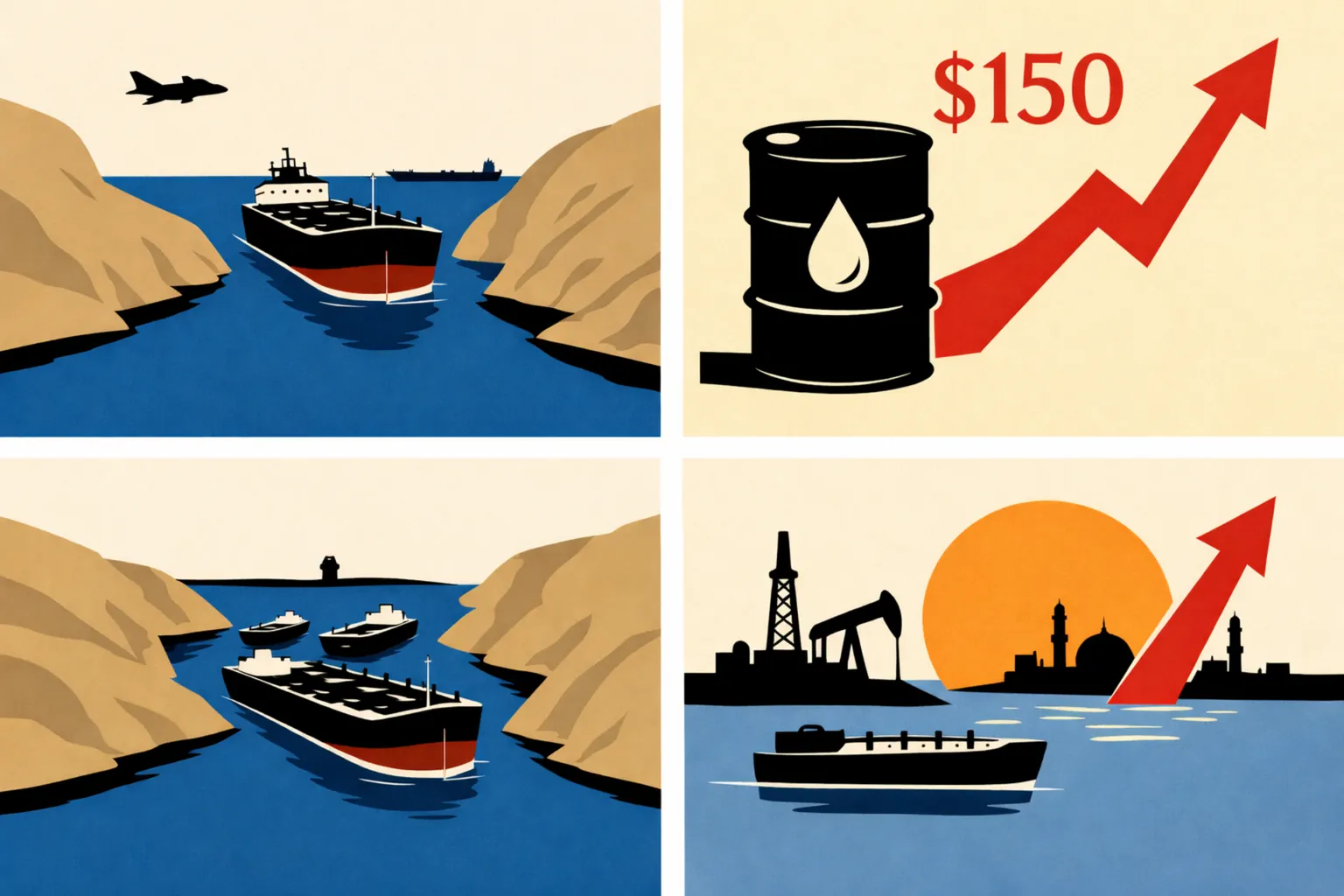
“If you can tolerate oil at more than $200 per barrel, continue this game,” an IRGC spokesperson warned.
The threat is particularly significant because the conflict is unfolding near the Strait of Hormuz, the world’s most critical oil shipping route.
Recent Iranian strikes across the Gulf have already raised tensions:
-
Saudi Arabia said it intercepted 15 drones.
-
Bahrain reported damage to a desalination plant.
-
A projectile strike in Al-Kharj, Saudi Arabia, killed two people and injured several others.
In response, the United States has attempted to calm markets by signalling it will avoid targeting Iran’s energy infrastructure, at least for now.
Strategic outlook: a volatile new phase of the war
Mojtaba Khamenei’s rise to power occurs at one of the most dangerous moments in the Middle East in decades.

Three factors will likely shape the next phase of the crisis:
-
U.S. and Israeli strategy toward Iran’s new leadership.
-
Iran’s ability to maintain unity among its political and military institutions.
-
The risk of wider regional escalation involving Gulf states and Iran-aligned militias.
For global markets, the key concern remains energy supply. Any sustained disruption around the Strait of Hormuz could push oil prices sharply higher, with ripple effects for inflation, currencies, and energy-importing economies—including Nigeria.