The African Energy Bank (AEB) has been inaugurated as a bold, homegrown response to one of the continent’s most pressing challenges: securing reliable financing for energy projects amid the accelerating global energy transition.
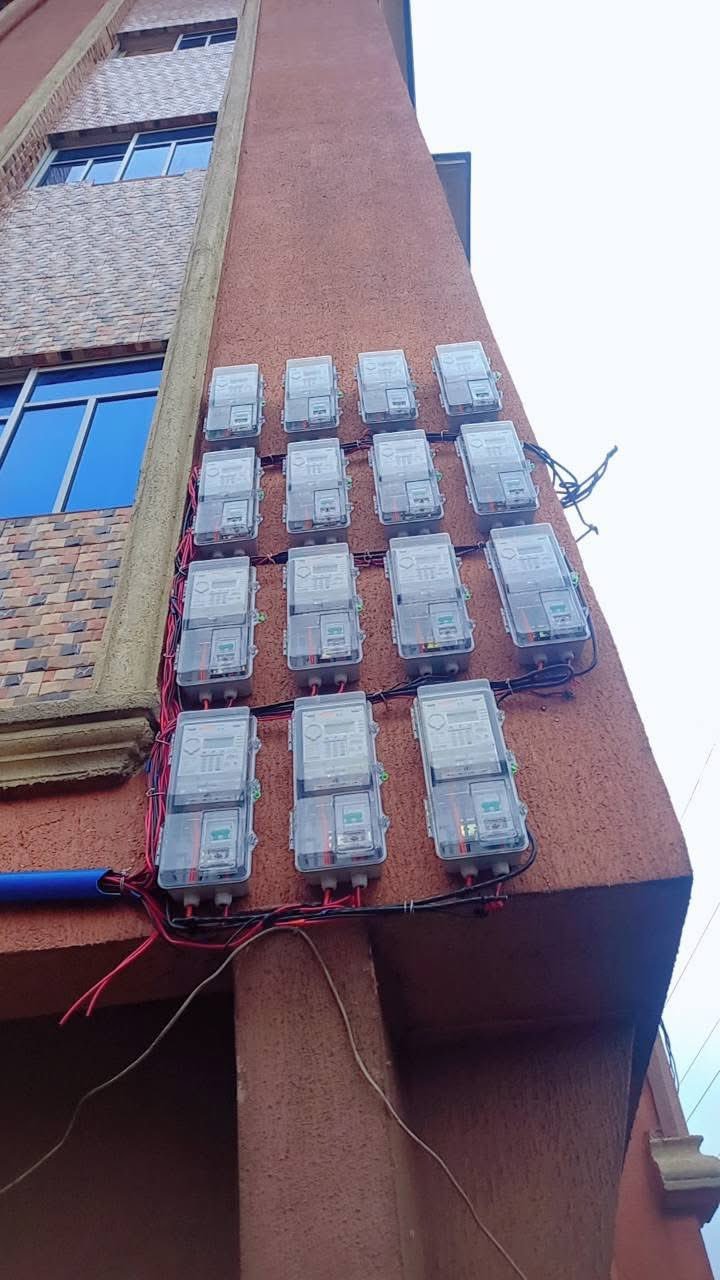
Launched through a partnership between the African Petroleum Producers’ Organization (APPO) and the African Export-Import Bank (Afreximbank), the AEB is designed to unlock Africa’s vast energy resources while addressing the reality that nearly 600 million people across the continent still lack access to modern energy.
Landmark Institution
Established with an initial capital of $5 billion, the AEB was formalised in June 2024 with the signing of its Establishment Agreement and Charter in Cairo, Egypt.
Headquartered in Abuja, Nigeria, the bank operates as an independent, supranational entity not regulated by any single central bank, allowing it flexibility to mobilize funds from African governments, national oil companies, sovereign wealth funds, and private investors. S
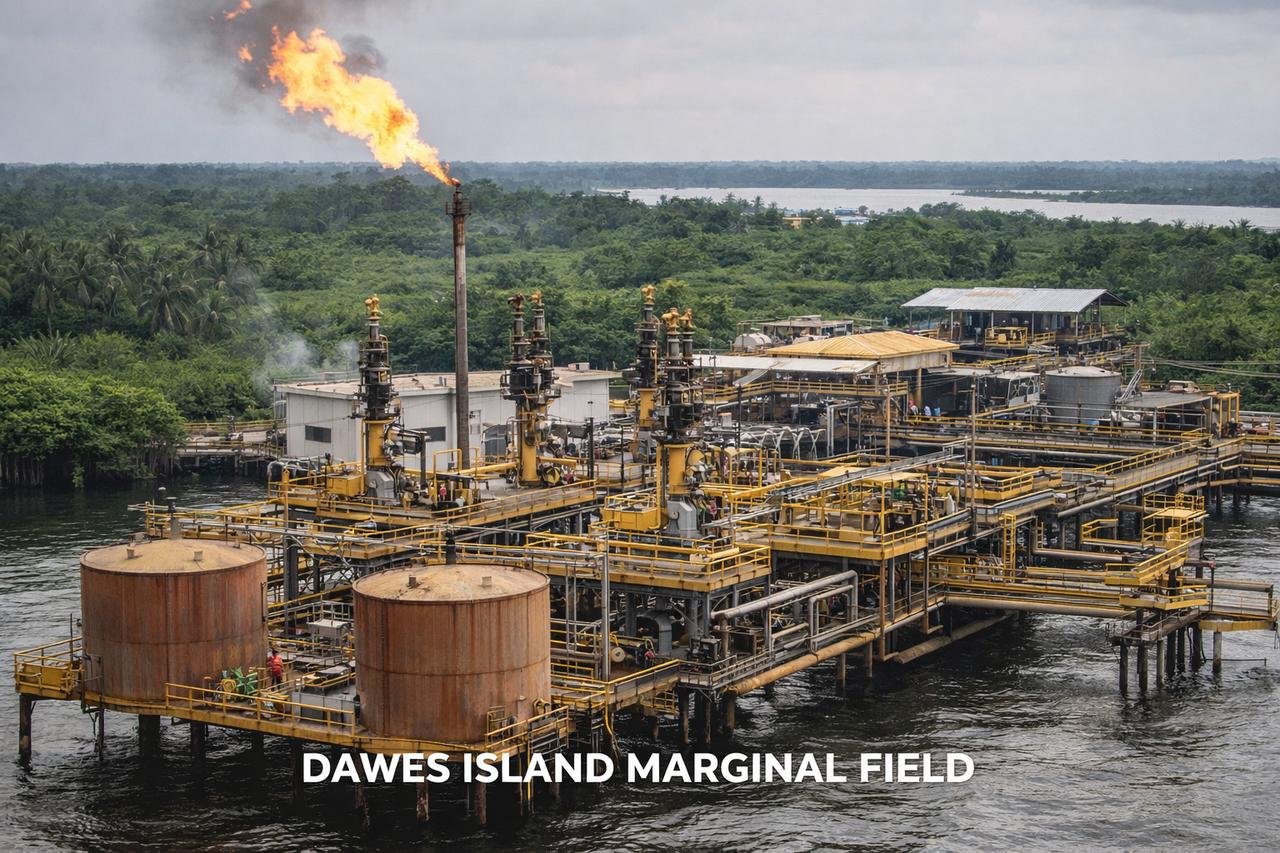
The AEB’s core mission is clear: finance the full spectrum of energy development from upstream oil and gas exploration to refining, midstream infrastructure, and downstream activities while supporting a just transition to renewables. It prioritizes intra-African energy trade, technical assistance, research, and projects that enhance energy security and economic growth.
Why the AEB Matters: Bridging the Financing Gap
For decades, African energy projects relied heavily on Western capital, but environmental, social, and governance (ESG) pressures have led many international banks to retreat from fossil fuel investments. This created a funding crisis that threatens to strand valuable resources and slow industrial progress. The AEB fills this void by providing Africa-centric financing tailored to the continent’s needs, reducing dependence on external lenders and enabling faster project delivery.
Its significance extends beyond oil and gas. By supporting renewables—solar, wind, hydro, and green hydrogen—the bank aligns with the African Union’s Agenda 2063 and the UN Sustainable Development Goals. It promotes balanced growth: harnessing hydrocarbons to generate immediate revenue and jobs while investing in cleaner sources for long-term sustainability.
Experts highlight the transformative potential. The bank could grow its asset base to $120 billion within a few years, channeling funds into frontier projects, refining capacity, and regional infrastructure. This would boost intra-African trade, reduce import dependency, and help eradicate energy poverty, fueling manufacturing, agriculture, and broader economic development.
Challenges and the Road Ahead
Launch delays and funding commitments from member states posed early hurdles, but momentum has built steadily. By early 2026, the AEB is advancing toward full operations, with discussions at events like African Energy Week underscoring its role in reshaping investment landscapes.

Critics note the need to balance fossil fuel support with climate commitments, ensuring projects meet environmental standards. Yet the AEB’s pan-African structure positions it to navigate these tensions, offering a pragmatic path where Africa controls its energy destiny.
In a continent rich in resources but constrained by access to capital, the African Energy Bank represents self-determination and strategic foresight. It is a catalyst for energy independence, poverty reduction, and sustainable prosperity for generations to come