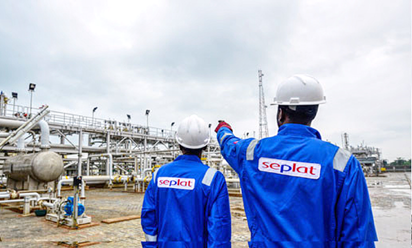
Seplat Energy workers have commenced an indefinite strike, raising concerns over potential disruptions to output at a time of rising global oil prices.
The industrial action, led by the Petroleum and Natural Gas Senior Staff Association of Nigeria (PENGASSAN), follows a breakdown in negotiations over the 2026 collective bargaining agreement and unresolved staff welfare issues. In letters addressed to the company’s leadership, the union said the strike would continue “until further notice.”
PENGASSAN members have begun scaling down operations across the company’s onshore and offshore assets, including joint venture operations and administrative offices nationwide. While critical safety and power functions will be maintained, the union said key activities such as production reporting and export operations would be suspended.
Also Read:
- Heirs Energies Acquires Maurel & Prom’s 20.07% Stake in Seplat Energy in $500m Deal
- From Shell Divestment to Heirs’ Majority Stake: The Origins of Seplat
- PENGASSAN – A Profile of Leadership, Power and the Nigerian Economy
- PENGASSAN Blocked $750m Refinery Sale, Left Nigerians With Broken Plants — Now the Union Are…
Significance For Nigeria’s Oil Sector
The development introduces fresh uncertainty into Nigeria’s oil supply outlook. Seplat Energy reported average production of 131,506 barrels of oil equivalent per day (boepd) in 2025, representing roughly 7% to 9% of Nigeria’s total liquids output.
The company had projected an increase to 155,000 boepd, making any prolonged disruption particularly consequential.

The strike does not currently involve junior staff represented by a separate union, but its impact on technical and supervisory operations could still significantly affect production efficiency and export timelines.
Seplat Energy had not responded to requests for comment at the time of reporting.