Nigeria’s electricity sector has rarely been free of crisis headlines. Grid collapses. Liquidity shortfalls. Tariff disputes. Mounting debts across the value chain.
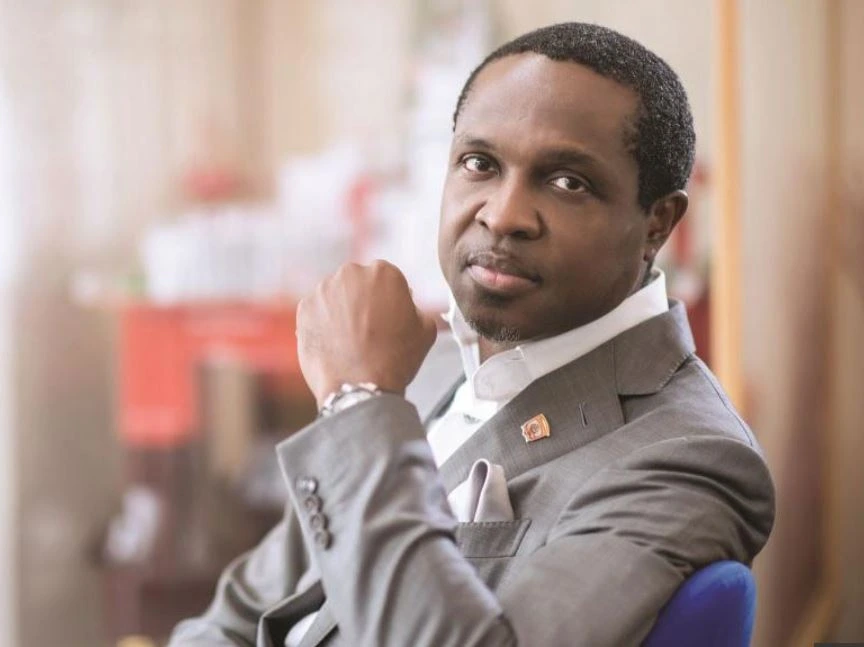
But amid renewed restructuring at distribution companies and consolidation among generation firms, power sector consultant Tunde Gbajumo is urging a reframing of the debate.
“The sector is not collapsing,” he argues. “It is repricing.”
His view comes at a moment of heightened scrutiny. Generation companies (GenCos) have publicly claimed nearly ₦6 trillion (approximately $4.4 billion) in outstanding receivables. At the same time, ownership changes are underway at Ibadan Electricity Distribution Company (IBEDC), while transactions and capital restructuring are occurring across other DisCos and GenCos.
The dominant narrative suggests distress. Gbajumo sees structural adjustment.
A Reform Journey That Has Been Uneven
To understand the present moment, it is necessary to revisit the trajectory of Nigeria’s power sector reform.
The Electric Power Sector Reform Act (EPSRA) of 2005 unbundled the defunct Power Holding Company of Nigeria (PHCN) into generation, transmission and distribution companies.
In 2013, most GenCos and DisCos were privatised in what was then Africa’s largest power sector reform.
The expectation was clear: private capital would drive efficiency, reduce losses, improve cost recovery and expand supply.
But structural challenges quickly emerged:
•Tariffs were politically constrained and often below cost-reflective levels.
•Foreign exchange volatility increased exposure to dollar-denominated gas and equipment contracts.
•Transmission capacity lagged generation capacity.
•Aggregate Technical, Commercial and Collection (ATC&C) losses remained high.
Liquidity shortfalls became chronic. Government interventions — including the Nigerian Electricity Market Stabilisation Facility and the Payment Assurance Facility — temporarily plugged financing gaps but did not fundamentally solve cost-recovery distortions.
The result was a sector caught between market reform and political economy realities.
The ₦6 Trillion Receivables — What They Represent
GenCos’ claim of nearly ₦6 trillion in receivables has been widely cited as evidence of systemic breakdown.
Gbajumo cautions against a simplistic reading.
He notes that much of the growth in receivables reflects:
•Exchange rate adjustments following naira depreciation
•Inflationary pressures
•Macroeconomic repricing
•Tariff shortfalls
Importantly, the increase is not driven by a corresponding surge in electricity output. System capacity utilisation has fluctuated, and grid collapses have periodically disrupted supply.
In other words, the receivables figure partly mirrors Nigeria’s broader macroeconomic reset since FX liberalisation and subsidy reforms — rather than an explosion in operational inefficiency alone.
This distinction matters for investors.
Distress or Valuation Reset?
Liquidity stress in the power sector is real. Grid instability remains frequent. Cost recovery has historically been weak.
Yet recent transactions suggest capital is not fleeing entirely.
DisCos are changing ownership. GenCos are consolidating. New investors are entering distressed positions. Equity is being restructured.
“If the sector were fundamentally unviable, rational capital would be exiting across the value chain,” Gbajumo argues. “Instead, we are seeing repricing.”
Repricing implies that asset valuations are adjusting to reflect:
•Currency risk
•Tariff reform uncertainty
•Operational risk
•Policy transition
Collapse would imply capital flight.
The evidence so far points more toward repositioning than abandonment.
The Grid Stability Variable
The strategic hinge in Gbajumo’s argument is grid reform.
The Nigerian Independent System Operator (NISO), carved out under recent electricity market restructuring, is expected to strengthen operational discipline, improve system coordination and enhance reliability.
Gbajumo poses a forward-looking question: What happens if the grid stabilises?
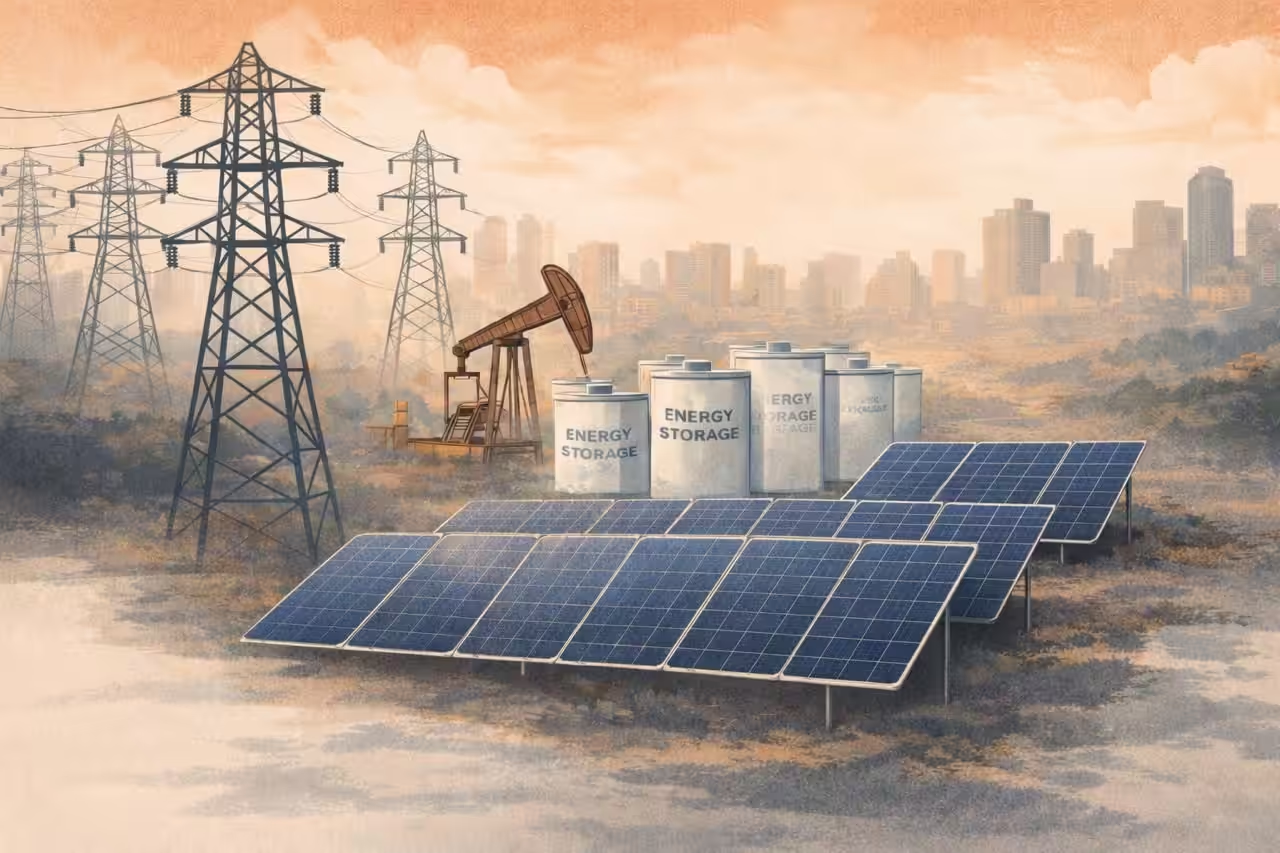
If frequency management improves, collapses decline materially and grid-scale energy storage is deployed, the economic effects could be significant:
•Manufacturers may reconnect if grid power becomes cheaper than diesel self-generation.
•Industrial clusters could expand.
•Renewable energy integration could accelerate.
•Financing costs could decline as reliability risk compresses.
•The grid itself could become more bankable infrastructure.
For an economy where firms spend billions annually on diesel and captive power, grid stability would have macroeconomic implications — lowering production costs, improving competitiveness and reducing inflationary pressure linked to energy.
Two Transitions Running in Parallel
Nigeria’s electricity landscape is evolving along two tracks.
On one side is a stressed legacy centralised grid model, still struggling with liquidity and infrastructure bottlenecks.
On the other is a rapidly growing decentralised ecosystem — solar home systems, commercial and industrial solar, embedded generation and minigrids.
The Electricity Act of 2023 deepened decentralisation by allowing states to establish their own electricity markets, potentially accelerating subnational reform.
This dual-track transition complicates the narrative. The grid may be under strain, but decentralised energy is expanding access and resilience across underserved regions.
Nigeria is not simply experiencing failure. It is experiencing structural rebalancing.
The Economic Stakes
Electricity remains one of Nigeria’s most binding growth constraints.
Unreliable power:
•Raises manufacturing costs
•Discourages industrial investment
•Reduces SME productivity
•Increases household expenditure burdens
The World Bank and other development institutions have repeatedly identified electricity reliability as central to Nigeria’s competitiveness.
If the repricing underway results in more disciplined capital allocation, realistic tariff frameworks and improved operational governance, the short-term pain could produce longer-term stability.
But if reform momentum stalls, liquidity stress could deepen.
Beyond the Headlines
Gbajumo’s intervention does not dismiss sector fragility. It reframes it.
“The enabling law exists. Regulatory frameworks are evolving. Demand is undeniable. Capital is available,” he notes.
The unresolved question is coordination — among operators, regulators, investors and policymakers.
For now, Nigeria’s power sector sits between stress and restructuring.
Whether this period is remembered as collapse — or as necessary repricing — may depend on whether grid stability reforms succeed.
The more strategic question, as Gbajumo frames it, is not whether the cup is half empty.
It is this:
What happens if the grid finally stabilises?