US Launches Airstrikes on Islamic State Targets in Nigeria

Strikes in Sokoto State carried out at Abuja’s request as Washington escalates direct military support against jihadist violence

USA launches airstrikes against ISWAP in Northwest Nigeria

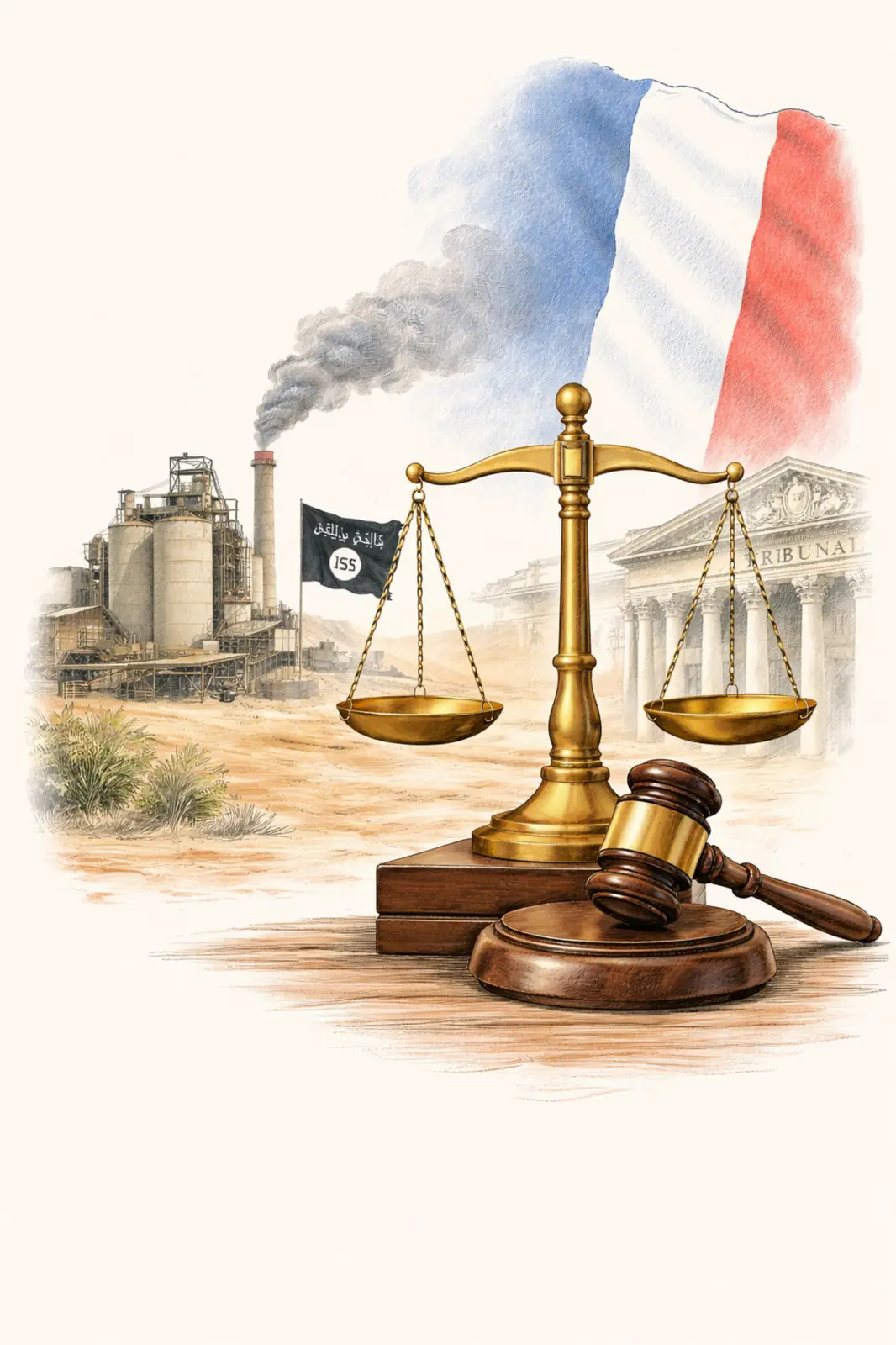
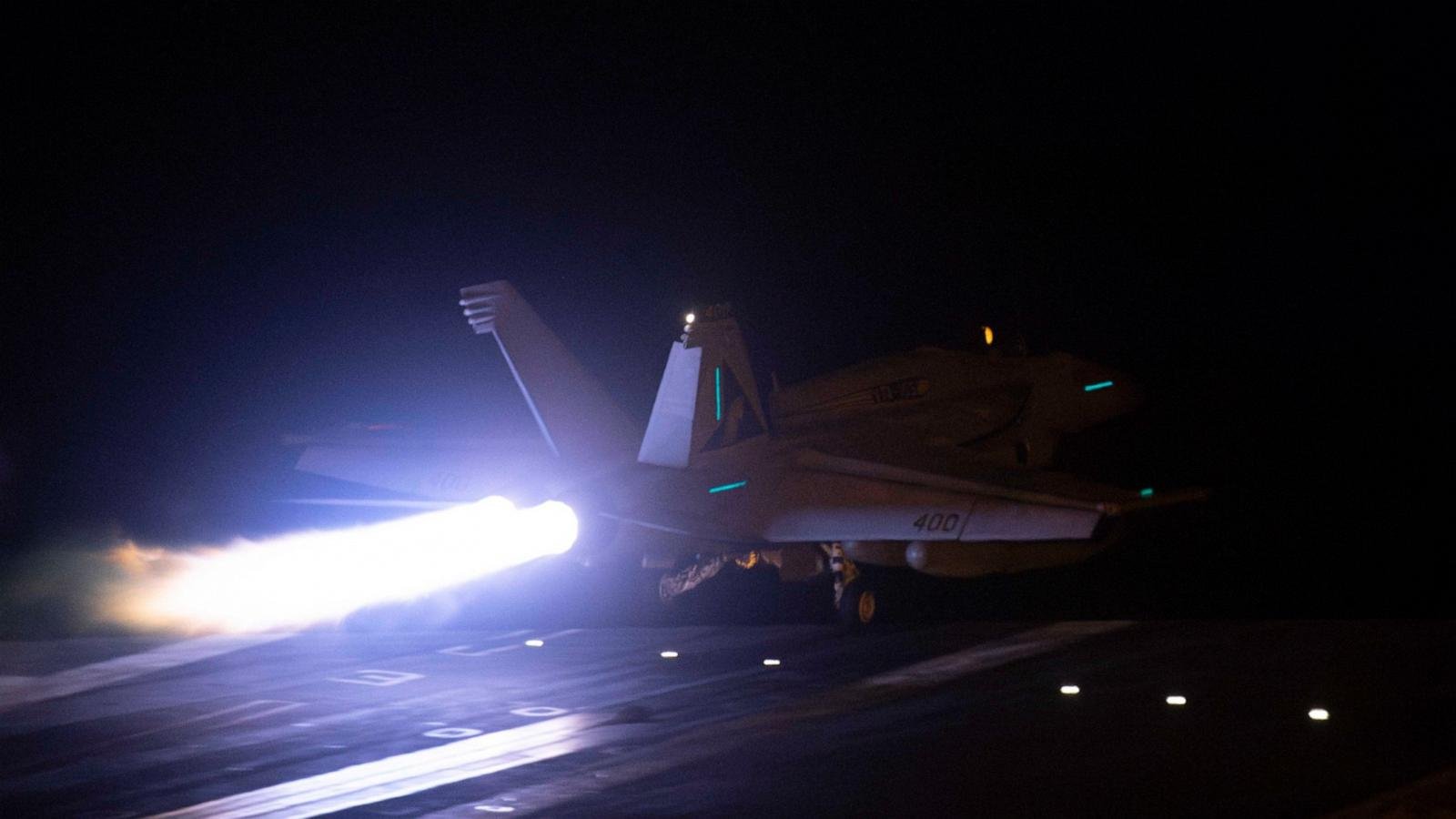
The United States has carried out airstrikes against Islamic State militants operating in north-west Nigeria, marking a rare but significant instance of direct US military action on Nigerian soil.

A senior US official confirmed to Reuters that the strikes were conducted at the request of the Nigerian government, underscoring deepening security cooperation between Abuja and Washington amid escalating jihadist violence in parts of the country.

According to the official, the operation targeted multiple Islamic State fighters in Sokoto State, resulting in several militant casualties. Further operational details, including the number of sorties and the specific assets used, were not immediately disclosed.

US President Confirms Strikes

The airstrikes were publicly acknowledged by Donald Trump, who announced the operation on his social media platform, Truth Social.

Describing the operation as “powerful and deadly,” Trump said the strikes were ordered in response to sustained attacks by Islamic State affiliates, particularly against Christian communities in Nigeria’s north-west.

“Tonight, at my direction as Commander in Chief, the United States launched a powerful and deadly strike against ISIS terrorist scum in Northwest Nigeria,” the president wrote.

“They have been targeting and viciously killing, primarily, innocent Christians, at levels not seen for many years.”

Trump added that US forces had executed “numerous perfect strikes,” reinforcing his administration’s posture of zero tolerance for jihadist violence against civilians.

Context: Islamic State in Nigeria

Nigeria has battled jihadist insurgency for over a decade, initially driven by Boko Haram and later complicated by splinter factions aligned with the Islamic State. While the Islamic State West Africa Province (ISWAP) is more active in the country’s north-east, intelligence assessments indicate the presence of smaller Islamic State-linked cells operating in the north-west, exploiting banditry networks and weak local security structures.

The reported strikes in Sokoto State suggest growing concern among Nigerian and US security planners about the geographic spread and operational evolution of jihadist groups beyond the traditional Lake Chad theatre.

Strategic and Political Implications

The US intervention signals a willingness to provide “kinetic” military support, not just intelligence and training, when Nigerian authorities deem threats severe enough. Analysts say the move could strengthen deterrence against jihadist groups but may also raise domestic and regional questions about sovereignty, escalation, and civilian risk.

Neither Nigeria’s Ministry of Defence nor the Nigerian Air Force had issued an official statement at the time of publication.


Political, Religious, and Strategic Implications

The US airstrikes in north-west Nigeria add new layers of political and social complexity to an already fragile security environment. Beyond the immediate counterterrorism impact, the episode raises questions about domestic cohesion, presidential strategy, and the future trajectory of US–Nigeria security cooperation.

Risk of Religious and Political Polarisation

One immediate risk is the potential to inflame religious and political divisions within Nigeria. President Donald Trump’s public framing of the strikes as a response to the killing of Christians—however politically resonant in the United States—sits uneasily within Nigeria’s multi-religious context. If not carefully managed, such framing could harden sectarian narratives and feed perceptions that the conflict is religious rather than criminal and insurgent in nature.

That risk, however, has practical limits. Communities in northern Nigeria—overwhelmingly Muslim—have borne the brunt of terrorism and banditry for years, suffering mass kidnappings, village raids, and economic collapse. As a result, there is limited grassroots appetite in the north for ideological opposition to US intervention on “imperialist” grounds. For many affected communities, any action that weakens armed groups is viewed pragmatically rather than ideologically.

Tinubu’s Political Calculation

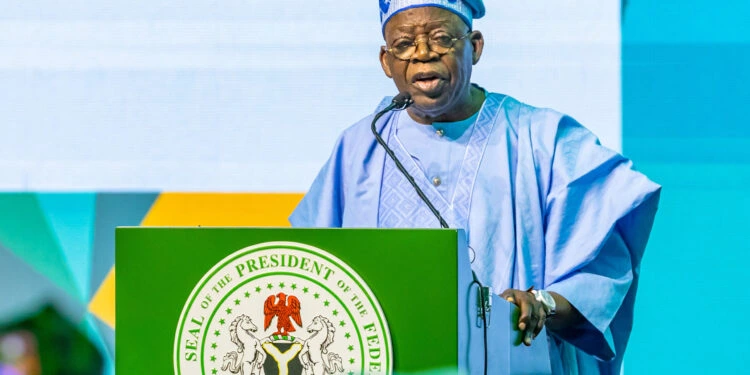
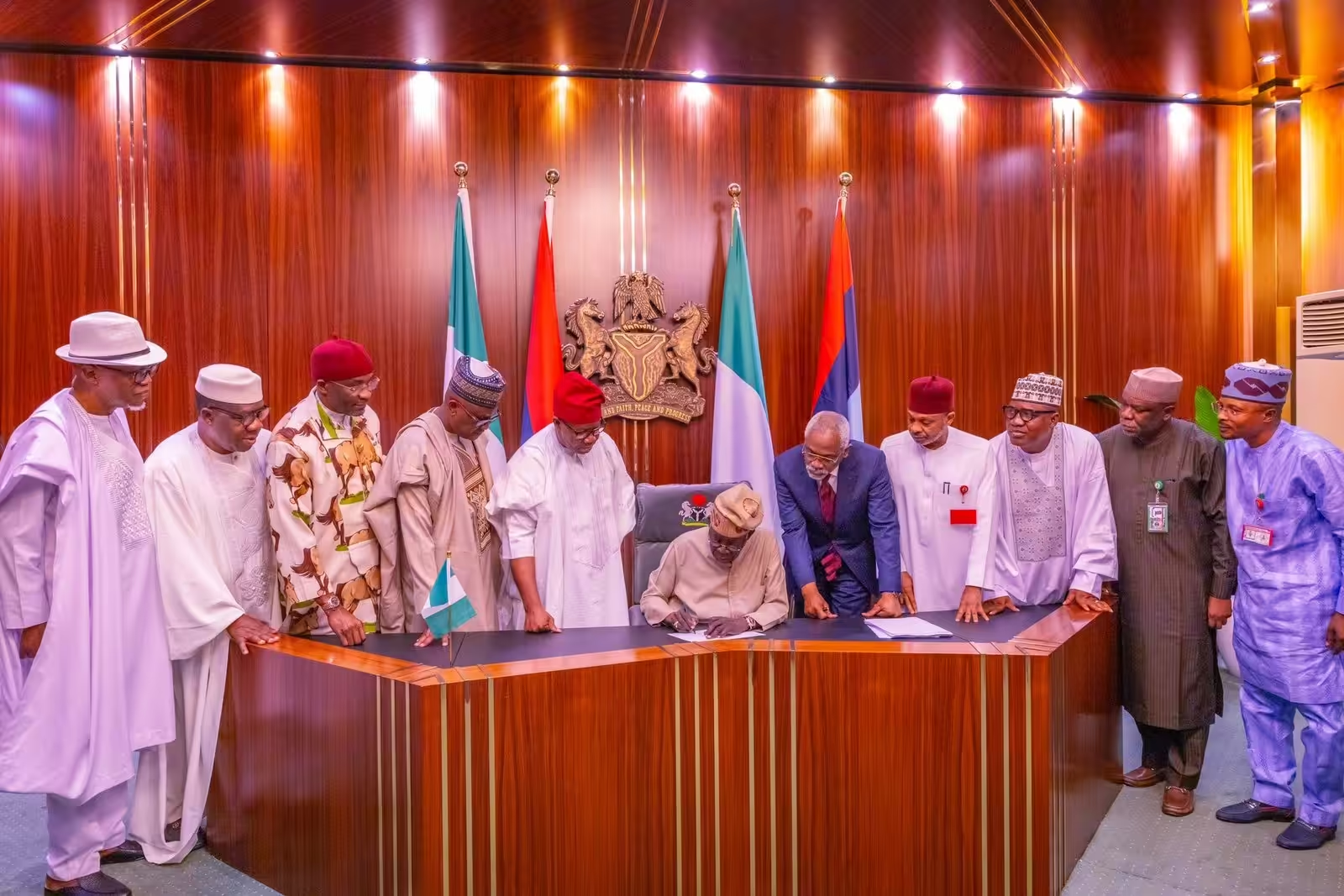
For President Bola Tinubu, the decision to request US airstrikes appears to be a carefully calibrated political move. By engaging Washington directly, Tinubu effectively neutralises President Trump’s earlier public warnings and reframes Nigeria not as a delinquent state under moral indictment, but as a sovereign partner seeking targeted assistance.

In this sense, the strikes get Tinubu “off Trump’s hooks.” Rather than remaining the subject of rhetorical pressure—particularly over religious freedom—Abuja has repositioned itself as an active collaborator in counterterrorism. That shift reduces the political risk of further US public admonitions while buying Tinubu diplomatic space at home and abroad.

One-Off Gesture or Deeper Security Cooperation?

A central question now is whether the strikes mark the beginning of deeper, sustained security cooperation or remain a one-off demonstration of resolve.

A limited, symbolic operation would be consistent with Trump’s governing style: high-visibility action, minimal long-term entanglement, and strong domestic signalling. Under this scenario, the strikes would serve more as political theatre than as a foundation for a broadened campaign.

However, there is also a plausible case for expanded engagement. Effective air operations depend on high-quality intelligence, suggesting deeper intelligence sharing, surveillance cooperation, and operational coordination between US and Nigerian forces. This could evolve into enhanced training, improved targeting support, and follow-on strikes informed by joint intelligence assessments—particularly if militant activity persists in the north-west.

Whether this happens will depend less on rhetoric and more on institutional follow-through: Nigerian willingness to address intelligence leaks and command failures, and US readiness to invest beyond episodic kinetic action.

Limited Political Backlash in the North

Finally, fears of widespread domestic backlash against US involvement may be overstated. In northern Nigeria, where Muslim communities have suffered disproportionately from terrorism and banditry, there is scant political capital to be gained from criticising US action. The prevailing sentiment is exhaustion, not ideology.

This reality reduces the risk of the strikes becoming a unifying cause for anti-Western mobilisation within Nigeria. The greater political danger lies instead in elite-level narrative mismanagement—particularly if the conflict is framed externally in narrow religious terms rather than as a shared fight against violent extremism.

The strikes have altered the political calculus. They carry risks of sectarian misinterpretation but also provide Tinubu with diplomatic leverage and a potential opening for deeper security cooperation. Whether that opening leads to durable institutional gains—or closes after a single dramatic gesture—will shape Nigeria’s security landscape well beyond this episode.


Share this article

Leave a Reply

Your email address will not be published. Required fields are marked *

Receive the latest news

Subscribe To Our Newsletter

Get notified about new articles