Nigeria has formally launched the ₦4 Trillion Power-Sector Bond Nigeria, a landmark sovereign bond issuance designed to clear verified debts owed to power generation companies (GenCos) and gas suppliers. The move represents the most significant capital-markets intervention since privatisation and aims to reset the financial architecture of the electricity sector.
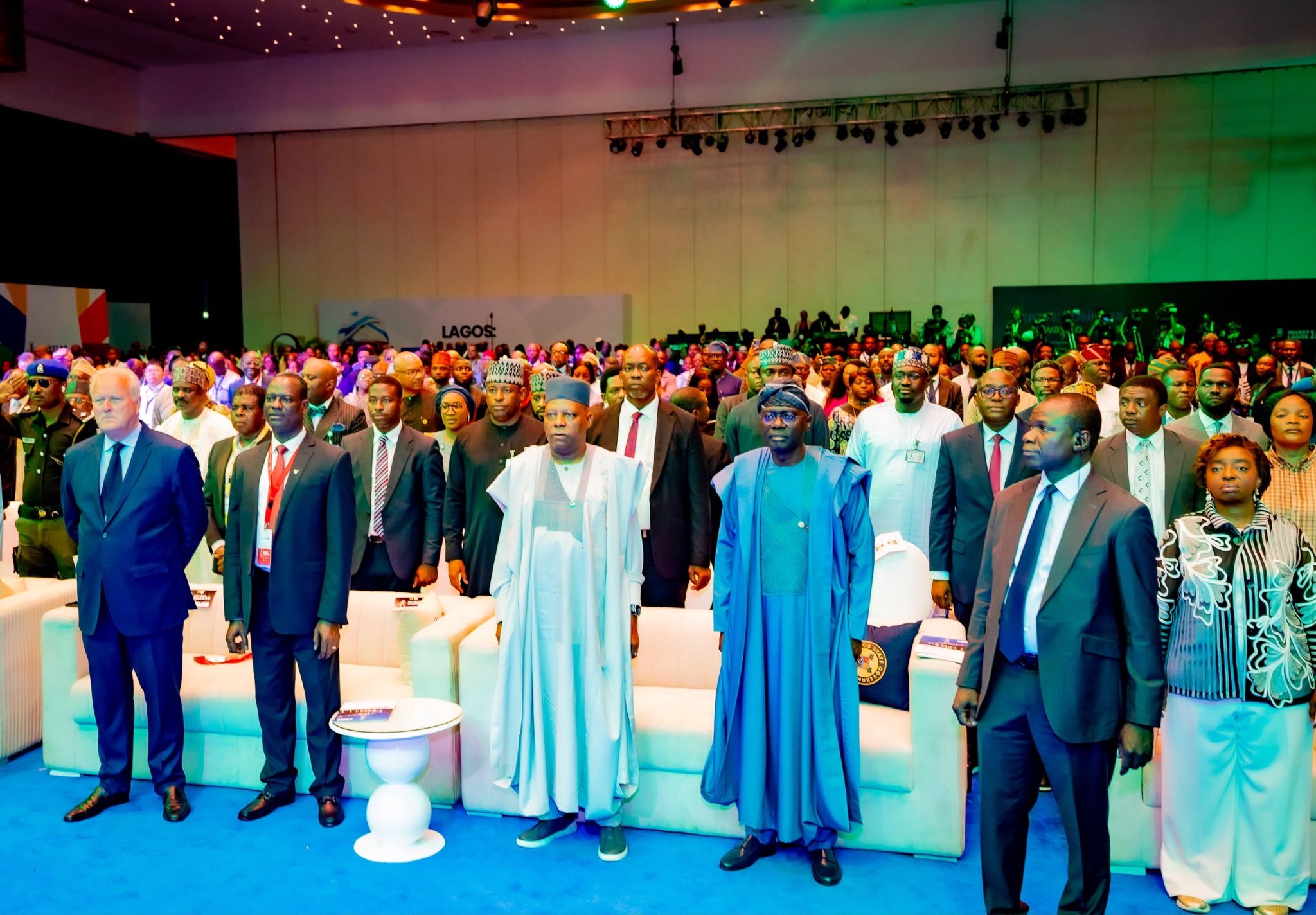
The bond was introduced under the Presidential Power Sector Debt Reduction Programme during a virtual investor forum jointly convened by the Ministry of Finance, the Ministry of Power, and the Office of the Special Adviser to the President on Energy. More than 600 institutional investors—including pension fund administrators, asset managers, banks, and insurance firms—joined the session, signalling broad interest in the issuance.
A Market Stalled by Persistent Liquidity Challenges
For years, Nigeria’s electricity market has operated under a severe liquidity deficit driven by below-cost tariffs, low remittances by distribution companies, and inconsistent payments from NBET. By 2023, accumulated and verified obligations had expanded into the trillions, leaving GenCos unable to maintain turbines, procure gas, or finance capital projects.
This legacy debt directly undermined sector performance, reducing generation capacity, weakening grid stability, and discouraging new investment. The ₦4 Trillion Power-Sector Bond Nigeria is therefore positioned as a structural solution to restore immediate liquidity and allow market participants to plan beyond short-term cash crises.
How the Bond Will Reset the Market
The ₦4 trillion sovereign bond will securitise verified claims through phased issuances, allowing the government to spread repayment over multiple fiscal cycles while giving GenCos predictable cash inflows.
The programme followed a multi-agency claim verification process involving the Ministry of Finance, the Federal Ministry of Power, NBET, NERC, and the Office of the Special Adviser to the President on Energy. According to Ms. Olu Verheijen, this transition from ad-hoc interventions to a rules-based, capital-market mechanism marks a “critical turning point” for sector reform.
The bond issuance is expected to:
• Restore liquidity immediately to GenCos and gas suppliers
• Strengthen payment discipline across the value chain
• Improve the bankability of power and gas supply contracts
• Support renewed maintenance and reliability improvements
• Provide investors with a new class of government-backed fixed-income instruments
With the ₦4 Trillion Power-Sector Bond Nigeria, the government aims to stabilise the electricity market’s financial ecosystem and reduce systemic risks previously faced by lenders and operators.
Investor Community Signals Strong Interest
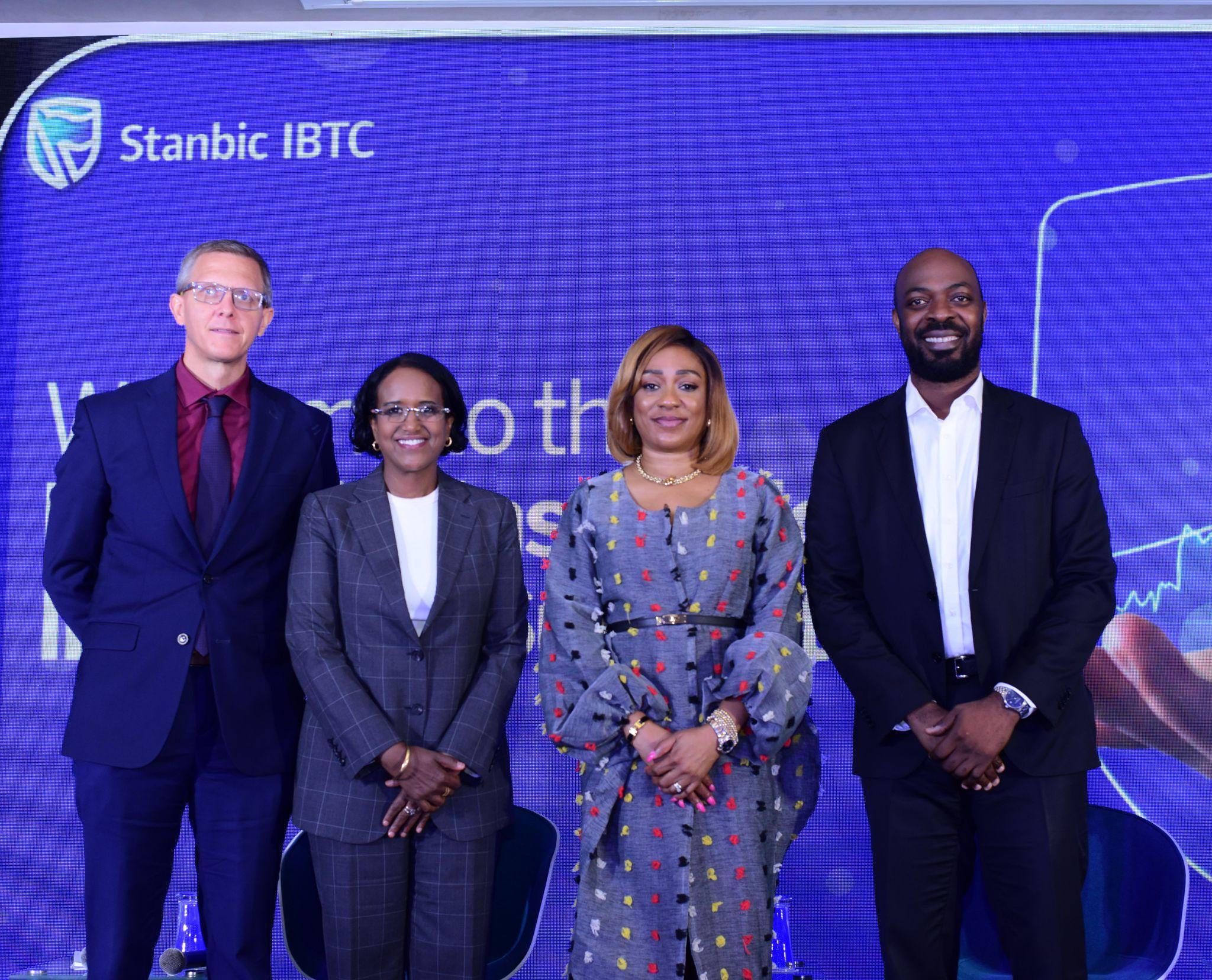
Speakers at the launch—Minister of Finance Olawale Edun, Minister of Power Adebayo Adelabu, and Ms. Verheijen—emphasised that resolving legacy debt is foundational to achieving a sustainable electricity market. Investor engagement during the session focused on issuance timelines, repayment mechanisms, governance structures, and the link between the bond and tariff reforms.
The scale of participation—over 600 investors—demonstrates the market’s appetite for the bond and its broader implications. For many institutions, the ₦4 Trillion Power-Sector Bond Nigeria provides clarity, structure, and a credible policy signal after years of unpredictable intervention in the sector.
A Defining Reform Moment for the Power Sector
Although distribution losses, tariff under-recovery, and gas infrastructure challenges persist, the bond programme represents the administration’s most ambitious attempt to rebuild confidence in the electricity supply industry.
By clearing legacy arrears through a capital-markets instrument, the government aims to:
• Improve generation output
• Strengthen gas supply reliability
• Reduce market uncertainty
• Create conditions for private investment in new capacity
The ₦4 Trillion Power-Sector Bond Nigeria is now positioned to become a cornerstone of the sector’s long-term reform, offering a path toward financial stability and improved electricity delivery for households and businesses.
Explainer
How the ₦4 Trillion Power-Sector Bond Works
1. What the bond is for
The ₦4 trillion sovereign bond covers verified legacy debts owed to power generation companies (GenCos) and gas suppliers, accumulated due to years of under-recovery and delayed payments.
2. Who verified the claims
A multi-agency process involving the Ministry of Finance, Federal Ministry of Power, NBET, NERC, and the Office of the Special Adviser to the President on Energy validated all eligible claims before securitisation.
3. Why a bond, not cash
Paying the entire obligation from the budget is neither immediately feasible nor fiscally prudent.
The bond structure allows the government to:
• Inject liquidity immediately into GenCos
• Spread repayment obligations over several years
4. How GenCos benefit
• Receives predictable payments instead of irregular bailouts
• Restores balance-sheet strength for raising capital
• Enables long-delayed maintenance and capacity recovery
• Improves creditworthiness with gas suppliers and lenders
5. How investors benefit
• Access to a large, high-grade, sovereign-backed instrument
• Transparent issuance structure
• Predictable returns, supported by federal repayment commitments
6. Market-wide impact
The bond is expected to stabilise the electricity value chain by restoring payment discipline, strengthening bankability of contracts, improving gas supply, and ultimately enabling higher and more reliable power generation.
How Nigeria Accumulated GenCos’ Debts (2015–2023)
1. Tariffs were below the true cost of electricity
Regulated tariffs did not cover the cost of generating, transmitting, and distributing electricity. The resulting “tariff shortfall” was supposed to be covered by government payments that often arrived late or partially.
2. Distribution companies remitted less than required
DisCos consistently remitted far below the energy they received from NBET—sometimes as low as 25–40 percent—creating a massive cash-flow deficit across the market.
3. Gas suppliers demanded stricter payment terms
As arrears grew, gas producers withheld supply or required near-cash payments, further depressing generation levels and worsening grid instability.
4. Capacity payment disputes lingered for years
GenCos were entitled to “capacity payments” under power purchase agreements, but many of these obligations were delayed or subjected to verification audits.
5. Government interventions were inconsistent
Periodic bailouts (2017, 2019, 2020) were insufficient and often disrupted by budget delays, foreign exchange constraints, and incomplete settlement processes.

6. FX volatility inflated costs
Because gas is priced using FX-linked formulas, the depreciation of the naira significantly widened the revenue–cost gap for GenCos.
7. No comprehensive settlement mechanism existed—until now
Nigeria relied on fragmented payments until the new ₦4 trillion bond programme created the first structured, capital-markets-based settlement plan.