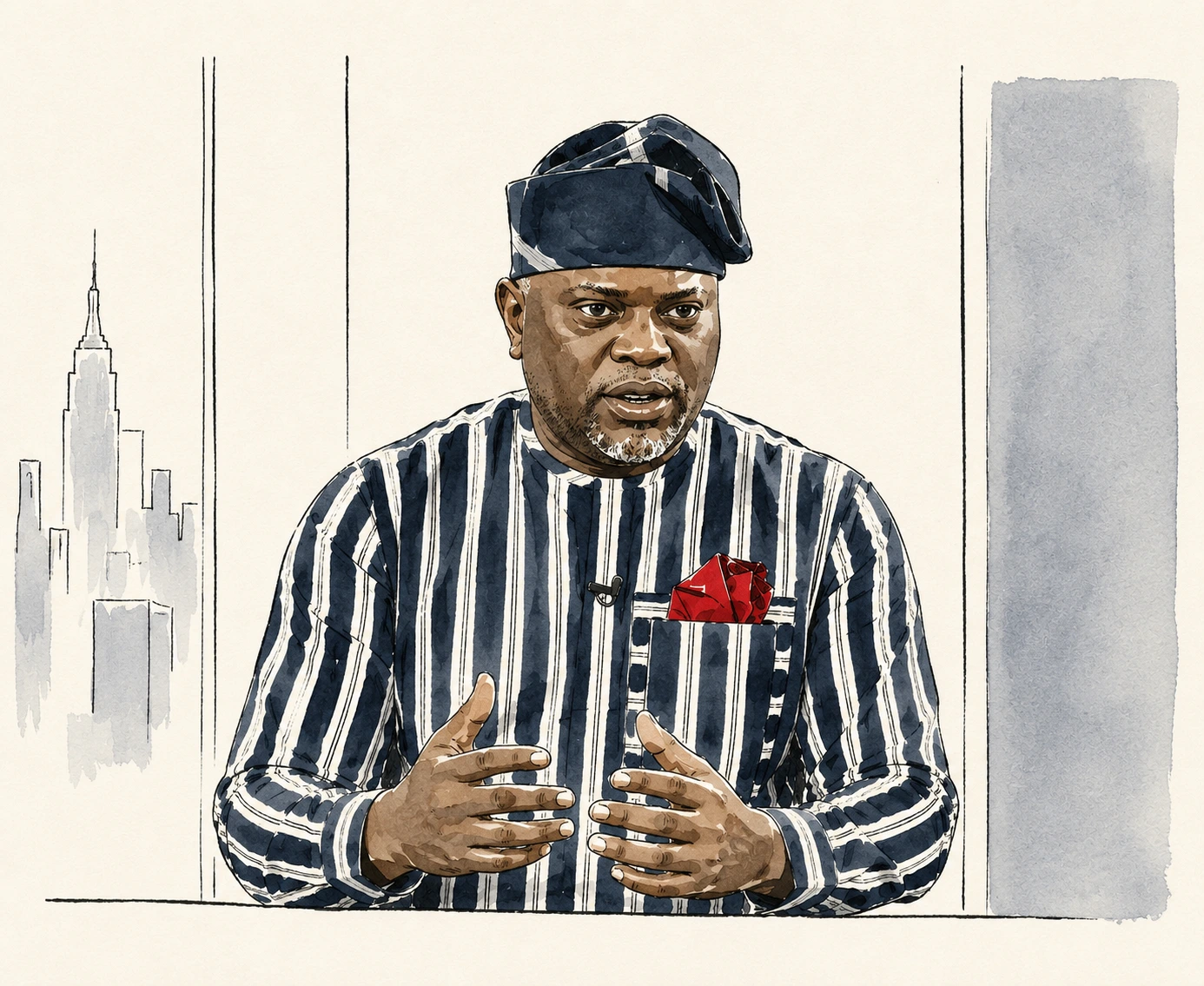
Ghana’s inflation rate has dropped for the 11th consecutive month, reaching 6.3% in November 2025, the lowest level the country has recorded in almost seven years. Government Statistician Alhassan Iddrisu confirmed the new figures during a briefing with journalists on Wednesday in Accra.
The latest data extends Ghana’s impressive disinflation streak. Inflation had eased to 8.0% in October, down from 9.4% in September, marking the 10th straight month of declines at the time.
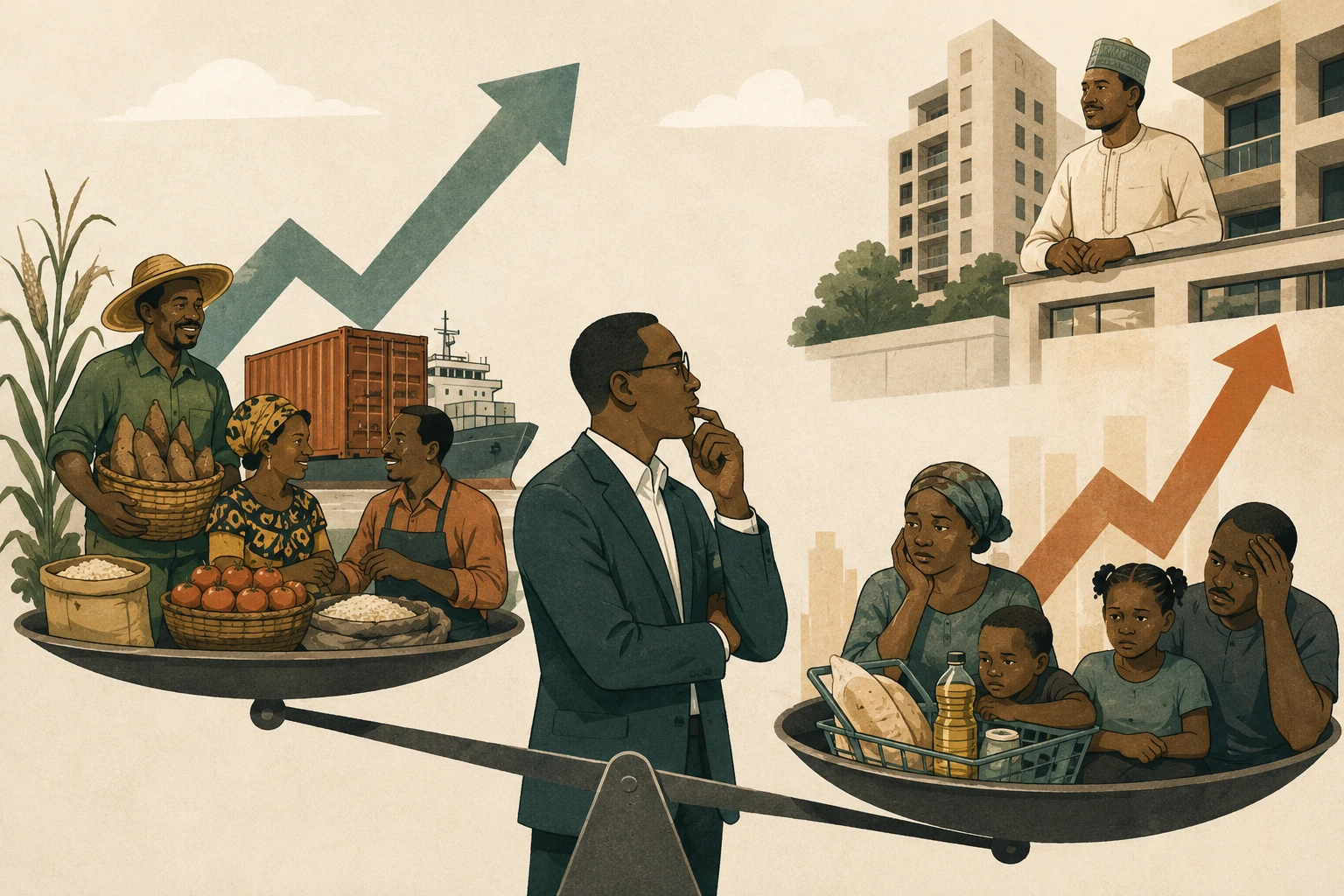
The November report shows broad-based price stability across key consumer categories. Food inflation fell sharply to 6.6%, compared to 9.5% in the previous month, while non-food inflation moderated to 6.1%, down from 6.9% in October.
Analysts say the sustained decline may provide the Bank of Ghana room to deliver another interest rate cut as policymakers look to strengthen the country’s economic recovery.
Why Inflation Is Falling
Economists attribute the steady easing of inflation to a stronger cedi, bolstered by rising global prices of Ghana’s major export commodities: cocoa and gold.
Higher export revenues have supported the local currency, lowered import costs, and reduced external pressure on domestic prices.

The latest reading places inflation well below levels recorded earlier in the year and offering renewed optimism for households, businesses, and policymakers. With price pressures receding, borrowing could become cheaper if the central bank decides to cut rates.
Economists say all eyes are now on the Bank of Ghana’s next monetary policy meeting, where the continued decline in inflation, combined with evolving global conditions and domestic fiscal pressures, will shape the bank’s policy direction.