President Bola Ahmed Tinubu has nominated former Chief of Defence Staff (CDS), General Christopher Gwabin Musa (rtd.), as Nigeria’s new Minister of Defence, a move that comes at a highly sensitive moment for the country’s security architecture, international reputation, and political calculus. His nomination follows the sudden resignation of Defence Minister Mohammed Badaru and coincides with intensifying global commentary on Nigeria’s handling of religious tensions and worsening insecurity.
Global Context: Trump’s “Country of Concern” Designation and Accusations of Genocide Against Christians
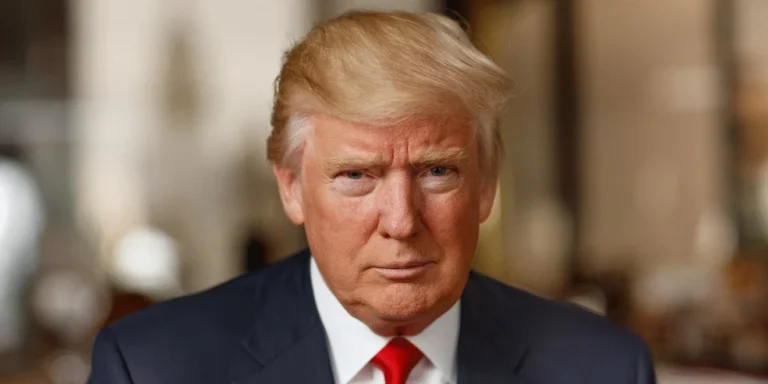
Former U.S. President Donald Trump—whose influence continues to shape conservative American foreign-policy circles—recently reaffirmed his controversial designation of Nigeria as a “country of particular concern,” citing what he called “genocide against Christians.” This rhetoric, amplified by evangelical networks and religious-freedom advocacy groups, has placed Nigeria back under a harsh international spotlight.
Although Nigeria’s conflict dynamics involve complex ethnic, territorial, and socio-economic factors, not purely religious ones, the accusation of systemic persecution of Christians has gained traction in Washington’s conservative ecosystem. Analysts warn that this narrative could affect defence cooperation, intelligence sharing, and arms sales.
In this climate, Tinubu’s nomination of a high-ranking Christian from Southern Kaduna—one of Nigeria’s most symbolically charged flashpoints of farmer–herder, ethnic, and sectarian conflict—carries notable diplomatic weight.
Senior administration officials privately acknowledge that appointing a Christian defence minister is partly intended to counter international claims that Nigeria’s security leadership lacks balance and sensitivity to Christian-majority regions facing violence.
Resignation of Defence Minister Badaru
The exit of Mohammed Badaru as Defence Minister has triggered questions in Abuja. While the presidency provided no detailed explanation, insiders cite:
-
Growing frustration over Nigeria’s stubbornly deteriorating security situation
-
Tensions over procurement transparency and reform
-
External pressure from Western partners urging clearer chains of accountability
-
Political calculations ahead of anticipated security-sector restructuring
Tinubu’s decision to replace a political appointee with a career military professional is widely interpreted as a strategic reset.
Nigeria’s Worsening Insecurity: A Country Fighting on Multiple Fronts
Musa steps into the role as Nigeria faces one of its most volatile internal-security landscapes since 1999.
Northern Nigeria
-
Bandits continue mass abductions, levy illegal taxes, and control rural territories.
-
Boko Haram and ISWAP still mount targeted attacks and ambushes.
Middle Belt
-
Intensifying conflicts between farmers and pastoralists, with rising sectarian undertones that feed international narratives of Christian persecution.
South-East
-
Separatist-linked armed groups conduct assassinations, kidnappings, and attacks on state assets.
South-South
-
Oil theft, pipeline vandalism, and maritime criminality remain persistent threats to both the economy and national security.
Public frustration is acute, and trust in the military remains fragile after years of limited gains despite heavy spending.
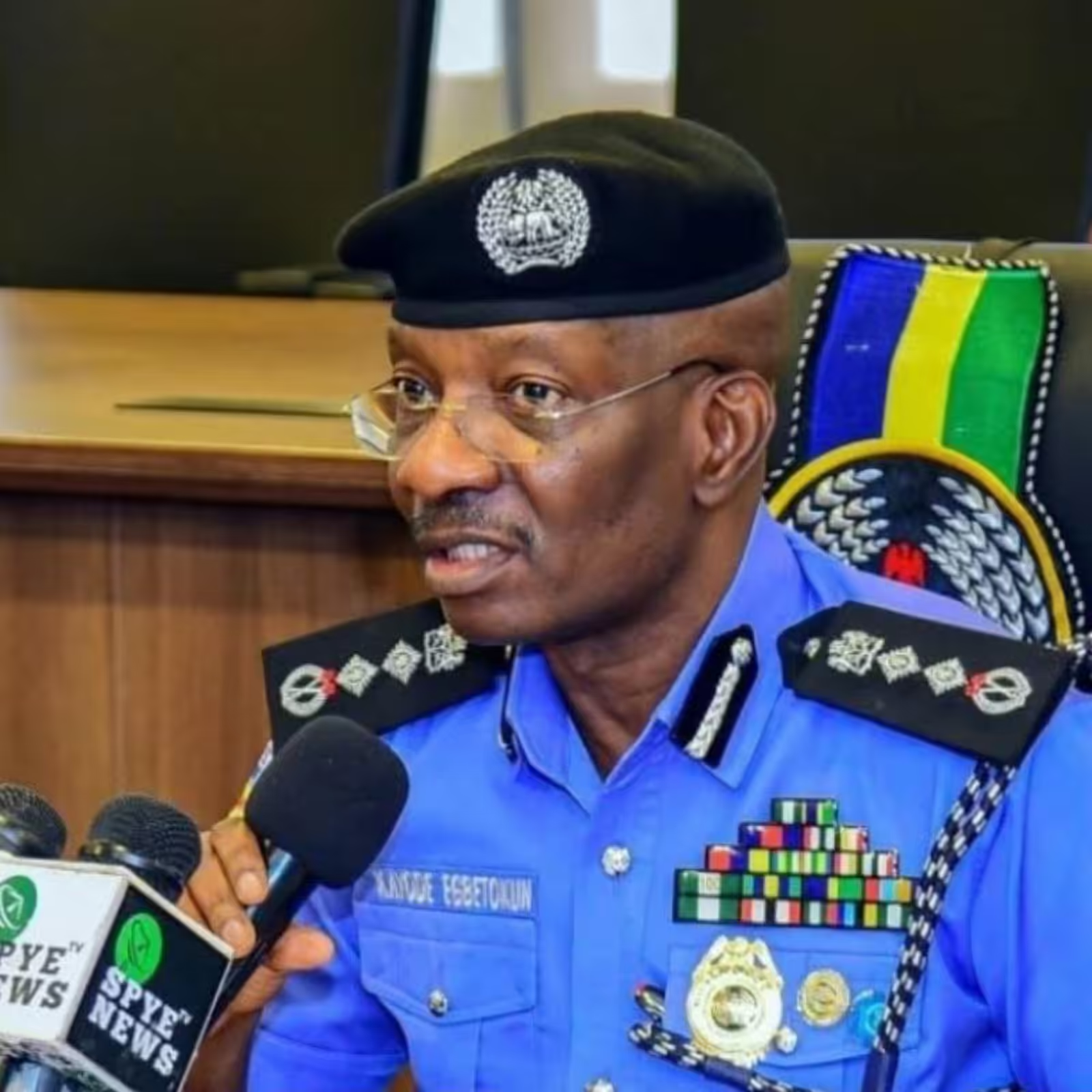
PROFILE: Who Is General Christopher Gwabin Musa?
Origins in Southern Kaduna — A Symbolically Important Factor
General Christopher Gwabin Musa hails from Zangon Kataf Local Government Area of Kaduna State, a predominantly Christian region that has suffered decades of intercommunal violence and is frequently cited by U.S.-based advocacy groups as evidence of religious persecution.
His background has taken on outsized political significance in the wake of Trump’s renewed accusations. Diplomats note privately that Musa’s appointment allows the Nigerian government to signal:
-
Sensitivity to Christian communities affected by violence
-
Balanced representation in national security leadership
-
A rebuttal to claims of systemic bias against Christians
This dimension is widely seen as a factor—though not the sole factor—in Tinubu’s choice.
A Combat-Tested Officer
Born on December 25, 1967, Musa joined the Nigerian Defence Academy in 1986 and was commissioned in 1991. An infantry officer by training, he spent most of his career fighting the insurgency in the Northeast and dealing with high-threat operational theatres.
Key Positions
-
Theatre Commander, Operation HADIN KAI – Led Nigeria’s joint counter-insurgency architecture in the Northeast
-
Commander, Infantry Corps Centre
-
Chief of Defence Staff (2023–2024)
Operational Reputation
Musa is known for:
-
Hands-on leadership in forward bases
-
Improved tactical intelligence coordination
-
Strong civil-military engagement and humanitarian sensitivity
-
A reputation for discipline and ethical emphasis within troop ranks
He also pushed for improved welfare and living conditions for soldiers—a longstanding source of morale problems.
As Chief of Defence Staff
His tenure as CDS was defined by attempts to:
-
Modernise the military’s procurement processes
-
Strengthen inter-agency collaboration
-
Align Nigeria’s military posture with ECOWAS security frameworks
-
Improve operational transparency
While limited by systemic constraints, he is credited with stabilising certain corridors of the Northeast.
Why Tinubu Selected Him
According to multiple senior security and political sources, Musa’s nomination rests on several pillars:
1. Operational Credibility
Years of frontline experience, including theatre command, make him one of the most battle-tested officers of his generation.
2. International Acceptability
Western security partners view him as professional, accountable, and cooperative—qualities Nigeria urgently needs to rebuild defence partnerships.
3. Religious & Regional Balance at a Geopolitically Sensitive Time
Musa’s identity as a Christian from Southern Kaduna adds symbolic and diplomatic weight, countering narratives of religious marginalisation and addressing perceptions sharpened by U.S. commentary.
4. Public Confidence Reset
Replacing a political appointee with a respected soldier is seen as a signal that Tinubu wants measurable results, not political management, in the defence sector.

What His Appointment Could Mean for Nigeria
If confirmed, Musa will face several immediate imperatives:
-
Develop a coherent nationwide security strategy
-
Restore public trust in the armed forces
-
Address international scrutiny—particularly around human rights and religious freedom
-
Improve procurement transparency
-
Rebuild troop morale and capacity
-
Strengthen ties with regional and global security partners
His ability to blend field experience with strategic, politically savvy policy-making will determine whether Tinubu’s security reset achieves meaningful results.