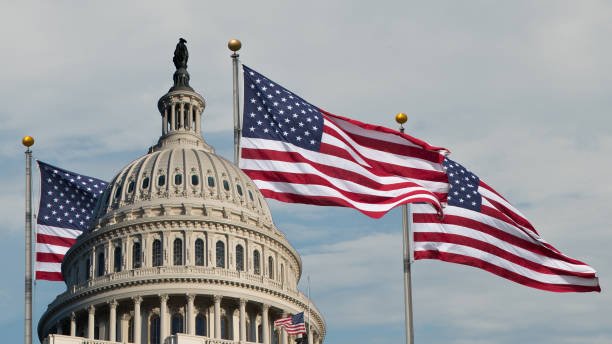
Members of the U.S. House of Representatives returned to Washington on Tuesday after a 53-day recess, braving crowded airports and travel disruptions to vote on a deal that could end the longest government shutdown in U.S. history.
Nearly 1,200 flights were cancelled nationwide due to the shutdown’s impact on air travel. Several lawmakers had to improvise their travel plans — Republican Representatives Rick Crawford of Arkansas and Trent Kelly of Mississippi said they carpooled to the Capitol, while Representative Derrick Van Orden of Wisconsin made the 16-hour journey by motorcycle.
“It’s going to be a little chilly, but I will do my duty,” Van Orden said in a video posted to social media.
Planned Vote
The Republican-controlled House is expected to vote Wednesday afternoon on a compromise funding measure to restore operations across federal agencies. The Senate approved the deal Monday night, and House Speaker Mike Johnson has said he expects it to pass in the House as well.
President Donald Trump is expected to sign the measure into law. “We’re opening up our country. Should have never been closed,” he said Tuesday at a Veterans Day event in Arlington, Virginia.
If passed, the deal would extend government funding through January 30, temporarily ending the 42-day shutdown that began on October 1. However, the short-term measure sets the stage for another potential funding standoff early next year and leaves the federal government on track to continue adding to its $38 trillion national debt.

The reopening would bring immediate relief to federal employees who have missed paychecks and to low-income families dependent on food subsidies. Officials warned, however, that it could take several days for the nation’s air travel system to return to normal.
The agreement has also divided Democrats, who had pushed to include an extension of healthcare subsidies covering 24 million Americans, set to expire at year’s end. Senate Republicans agreed to hold a separate vote in December on the subsidies, but passage remains uncertain, and Speaker Johnson has not committed to scheduling a House vote on the issue.