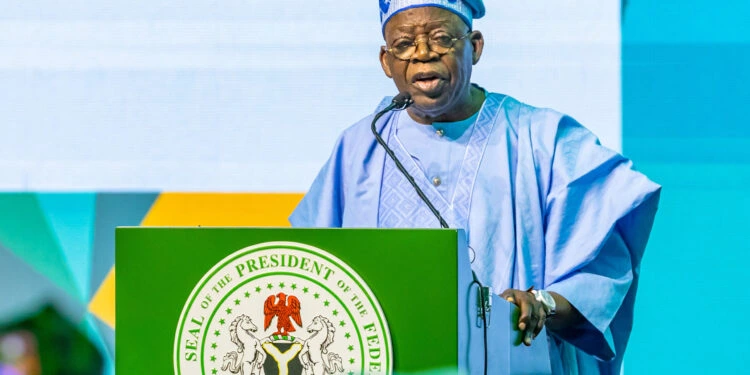
President Bola Ahmed Tinubu on Thursday signed the Tax Reform Bill into law. Here is what the new law means for Nigerians.
1. No Personal Income Tax for Low-Income Earners
If you earn less than ₦250,000 a month, you’re officially off personal income tax. This affects over one-third of Nigerian workers. It effectively increases take-home pay for millions.
2. No VAT on Essential Goods and Services
VAT is going up to 12.5% but essential items like food, housing, education, healthcare, public transport, and accommodation are now zero-rated. So while luxury and non-essential goods may cost more, everyday survival items shouldn’t.
3. Tax Relief for Small Businesses and Startups
Many Micro and small enterprises will be exempt from corporate income tax, VAT, withholding tax, and PAYE filings. For side hustles, startups, and struggling SMEs, this means more room to grow.
4. 15% Minimum Tax for Large Corporations
A new 15% effective minimum tax is being introduced to ensure large companies, particularly multinationals, pay their fair share of taxes. This reform seeks to rebalance the scales and strengthen Nigeria’s corporate tax base.

5. A Unified, Digital-First Tax System
The Federal Inland Revenue Service (FIRS) will be replaced by the Nigeria Revenue Service (NRS). It is built for digital administration. Key upgrades include a national taxpayer ID, automated filing, stronger enforcement, and new institutions. These include a Tax Tribunal and Ombudsman to resolve disputes more fairly. This is aimed at plugging revenue leakages and boosting compliance.
6. States Will Now Keep More of Their VAT
The VAT revenue-sharing formula is also changing. States will receive allocations based on their contribution levels.