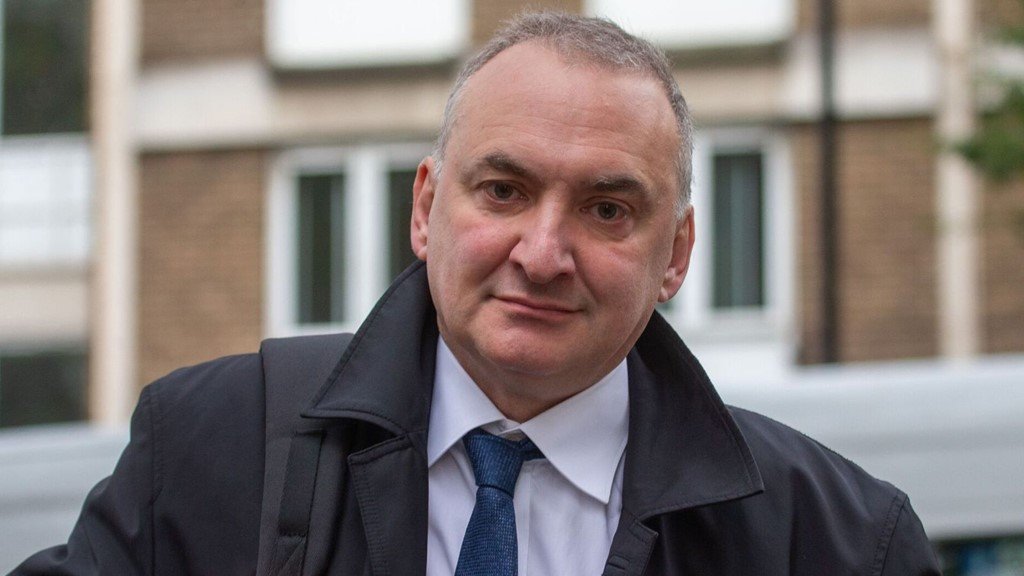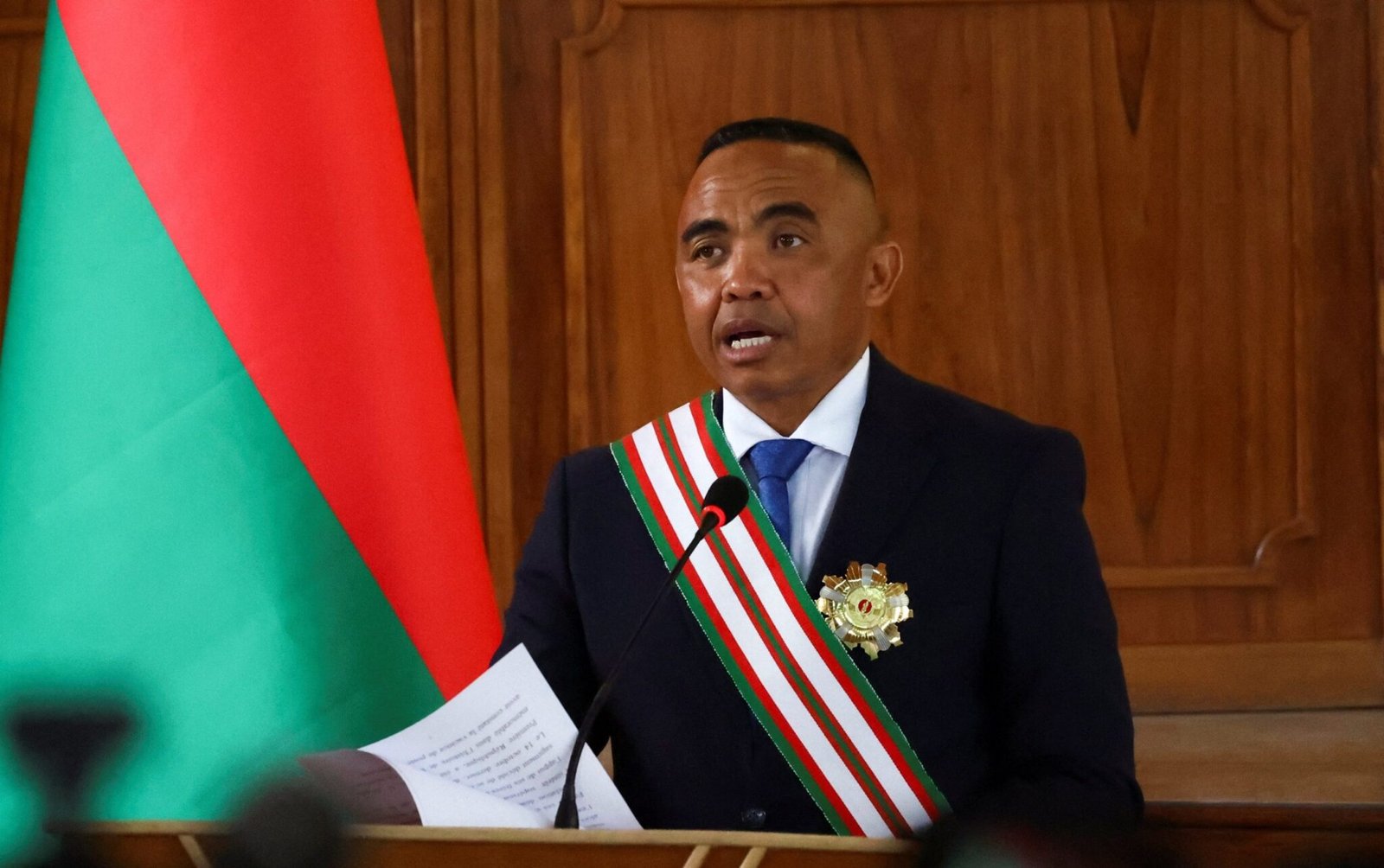
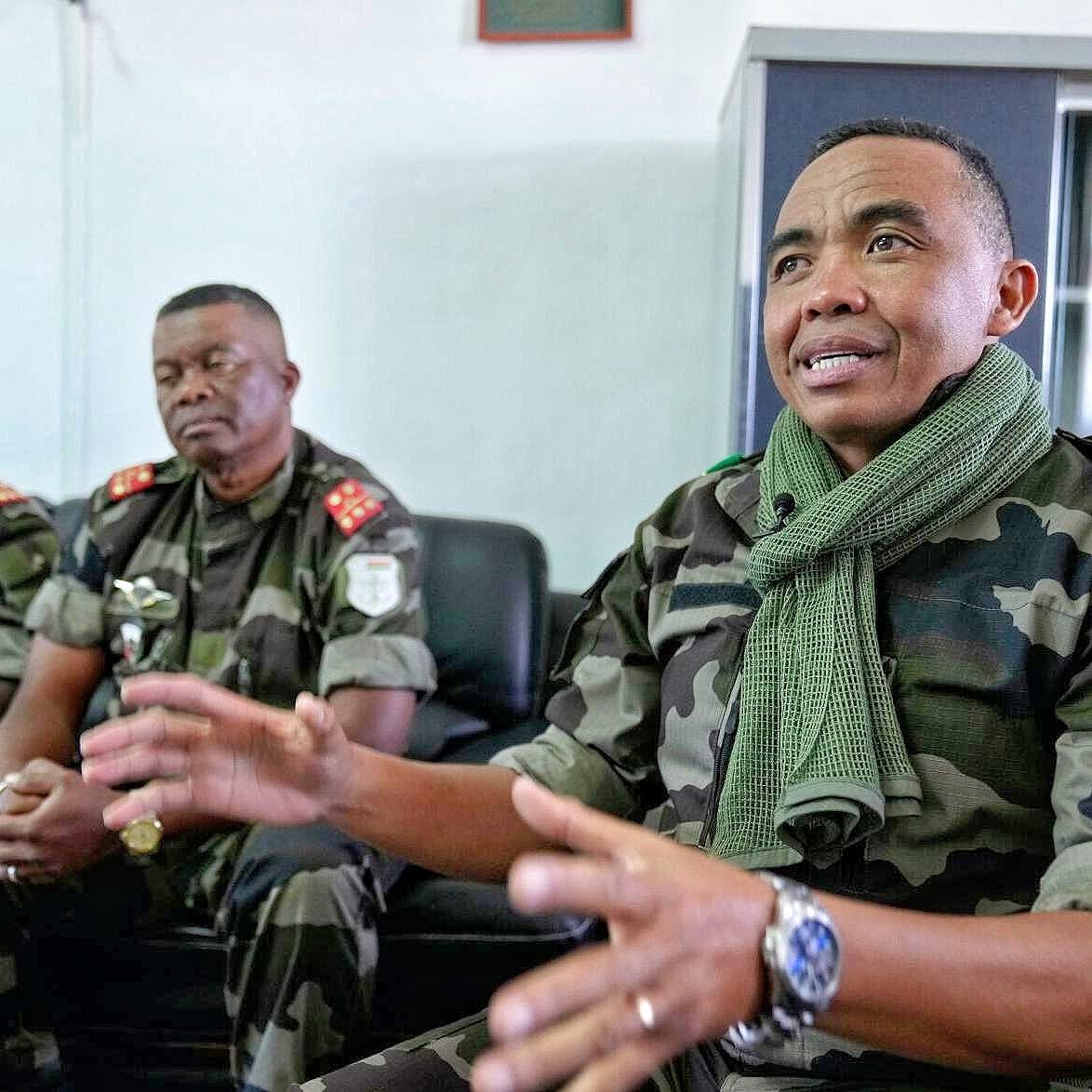
Colonel Michael Randrianirina, the coup leader who seized control of Madagascar earlier this week, was sworn in as president on Friday to jubilant cheers, blaring trumpets, and the ceremonial raising of swords in the capital.
The inauguration came just days after youth-led demonstrations forced former President Andry Rajoelina from office, marking yet another turbulent power shift for the Indian Ocean island nation.
The ousted leader, Rajoelina, who fled the country last weekend, has refused to concede power despite his impeachment by lawmakers and widespread defections within the security forces.
Both the African Union and United Nations Secretary-General Antonio Guterres have condemned the military takeover, which followed weeks of “Gen Z” protests sparked by chronic power cuts and water shortages that put a halt on daily life.
A symbolic oath under colonial echoes
At a ceremony held in the red-brick High Constitutional Court building, a relic of Madagascar’s colonial past, Randrianirina vowed to “fully, completely, and justly fulfil the high responsibilities” of the presidency. “I swear that I will exercise the power entrusted to me and dedicate all my strength to defending and strengthening national unity and human rights,” he said, as trumpets and sword salutes marked the formal handover of power.
The new president’s words carried symbolic weight for a country long accustomed to political instability and economic stagnation. While many young protesters initially celebrated Rajoelina’s fall, some are already uneasy about the army’s swift consolidation of control.
Youth protests demand more than leadership change
Even as thousands gathered for the inauguration, many among Madagascar’s restless youth warned that the revolution is far from complete. “Not yet,” said 18-year-old student Mioty Andrianambinintsoa outside the court, as dignitaries draped in the red, green, and white of the Malagasy flag filed past. “This is a stage. Our aims haven’t been achieved.”
Fellow protester Francko Ramananvarivo, 23, echoed her sentiment, stressing that the movement’s goal is not simply regime change but deeper reform. “Our objective is to be led by a government that is close to the people. We are not there yet,” he said, reflecting the generational divide between Madagascar’s ruling elite and its youth majority.
Military-led transition and uncertain future
Randrianirina has announced that a military-led committee will govern the country alongside a transitional government for up to two years before organizing new elections.
The colonel, who commands Madagascar’s elite CAPSAT army unit, played no role in Rajoelina’s 2009 coup but gained prominence after he refused to turn weapons on protesters during recent demonstrations.
His decision to side with demonstrators against state forces earned him public support and positioned him as a figure of stability within the military hierarchy.
However, analysts warn that military rule may deepen Madagascar’s governance crisis if power is not swiftly returned to civilians. The island’s history of coups and contested transitions has repeatedly derailed democratic progress and investor confidence.
A nation trapped in poverty despite natural wealth
Madagascar’s political volatility is underpinned by deep economic hardship and one of the world’s youngest populations — with an average age under 20.
Despite abundant natural resources, including vanilla, nickel, sapphires, and the white pigment ilmenite, three-quarters of the country’s 30 million citizens live in poverty, with an average annual income of just $600.
Prices of basic goods, including the staple rice, have soared, while infrastructure remains chronically underdeveloped. Between independence in 1960 and 2020, GDP per capita fell by nearly half, according to the World Bank, making Madagascar one of the few nations that has become poorer over the decades.

As Colonel Randrianirina assumes office, the challenge ahead lies not only in restoring order but in addressing the economic despair fueling Madagascar’s recurring unrest.
Madagascar’s new president’s promises of unity and human rights will be tested against the realities of inequality, corruption, and the impatience of a generation that has grown up amid unfulfilled promises.