Chevron Commits to Development of Yoyo-Yolanda Gas Project Between Equatorial Guinea, Cameroon

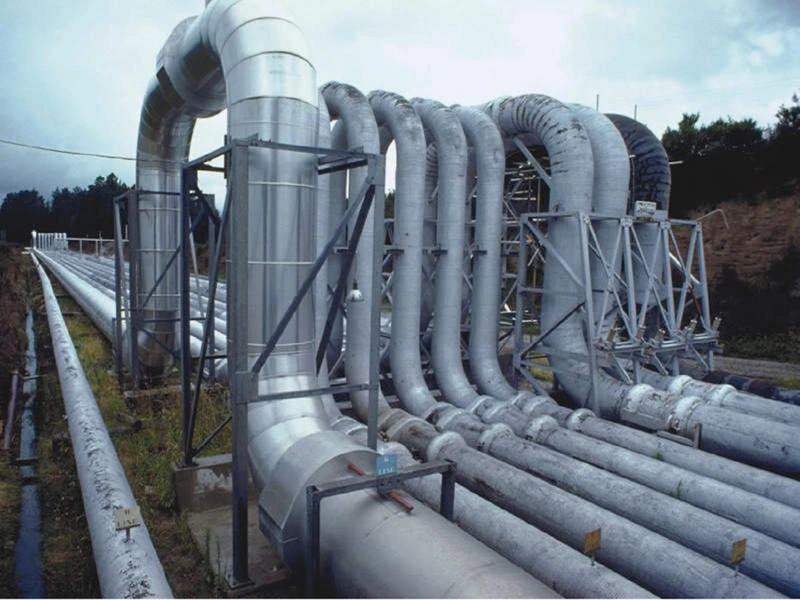
Operated by Chevron through its subsidiaries, the development plan includes offshore production wells, a central processing platform, and pipeline connections to Bipaga in Cameroon and Punta Europa on Bioko Island

Yoyo-Yolanda Gas Project
Chevron has renewed its commitment to developing the Yoyo-Yolanda gas project, located along the maritime border between Equatorial Guinea and Cameroon, the company said in a statement.
In 2023, the two African countries signed a bilateral treaty that allowed for the joint development of oil and gas reserves in the Gulf of Guinea, including the Chevron-operated Yoyo and Yolanda fields that contain an estimated 2.5 trillion cubic feet of gas.
“The Yoyo-Yolanda project is central to Chevron’s strategy of supporting long-term liquefied natural gas supply and leveraging existing infrastructure at Alen and Punta Europa,” Jim Swartz, managing director for Chevron Nigeria and the mid-Africa region said in Tuesday’s statement.
Swartz’s comments followed the signing of a legal contract between Cameroon and Equatorial Guinea on Tuesday that combined the separate leases into a single unit for joint development of the field.

Yoyo-Yolanda Gas Project

The Yoyo-Yolanda Field is a cross-border offshore gas field shared by Equatorial Guinea and Cameroon, containing an estimated 2.5 trillion cubic feet of gas in place with the Yoyo field lying in Cameroonian waters and the Yolanda field in Equatorial Guinea’s territory.

The project is being developed under a unitization agreement that allows both countries to jointly exploit the shared reservoir, avoiding duplication and disputes while allocating roughly 84% of the resources to Cameroon and 16% to Equatorial Guinea.

Operated by Chevron through its subsidiaries, the development plan includes offshore production wells, a central processing platform, and pipeline connections to Bipaga in Cameroon and Punta Europa on Bioko Island, leveraging existing infrastructure to supply gas for domestic use, power generation, and liquefaction.

The project is seen as strategically important for strengthening regional energy security, boosting gas monetisation, and deepening bilateral cooperation between the two Central African nations.


Share this article

Leave a Reply

Your email address will not be published. Required fields are marked *

Receive the latest news

Subscribe To Our Newsletter

Get notified about new articles