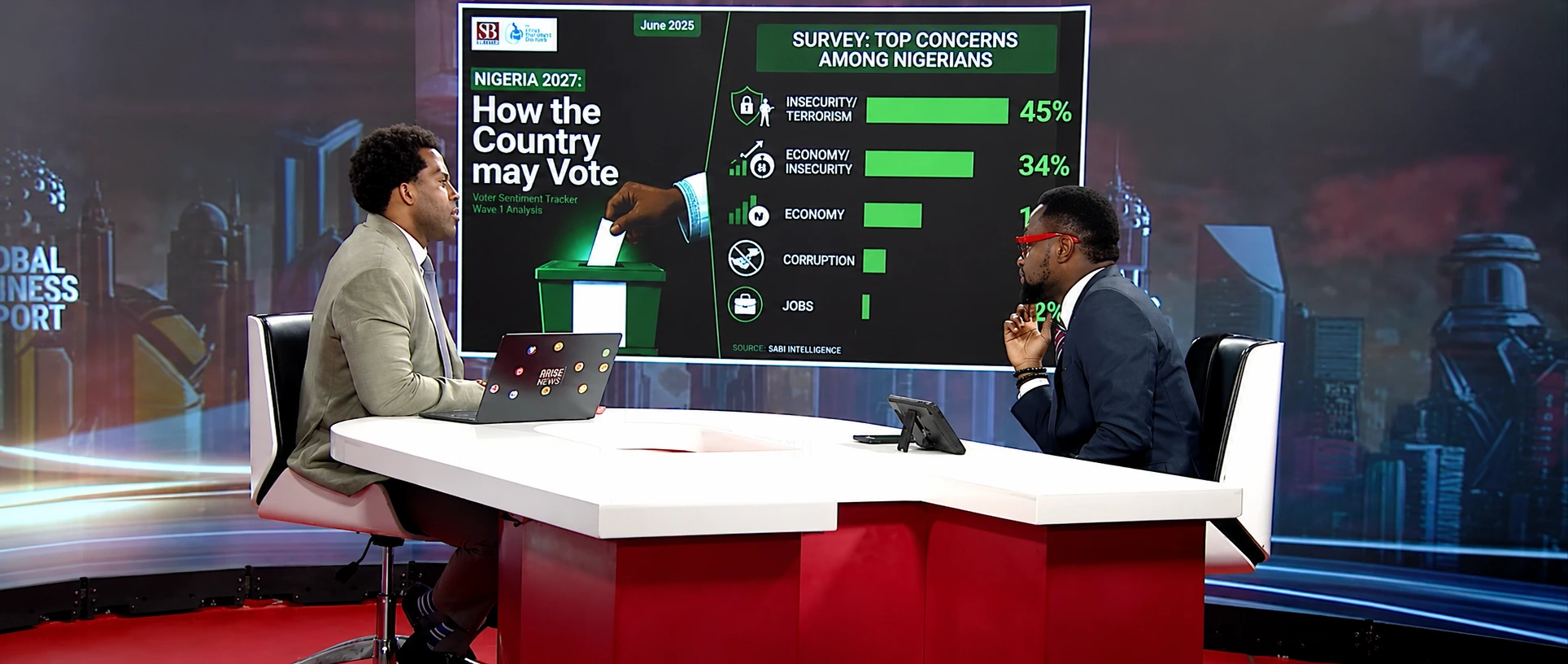
Public affairs analyst Emmanuel Ikpebe has raised fresh concerns over what he describes as a long-standing erosion of public confidence in Nigeria’s judiciary, warning that the system cannot regain its integrity without genuine independence and internal reform.
Speaking during a session on Arise TV, Ikpebe traced the credibility crisis back to 1999, noting that decades of controversial judgments—particularly in political cases—have left many Nigerians doubtful of the courts’ ability to deliver impartial justice.
According to him, while judges often bear the brunt of public criticism, the deeper problem lies in structural weaknesses and the quality of legal arguments presented before the bench.
“A judge does not descend into the arena,” Ikpede said. “He delivers judgment based on the arguments and evidence put before him. But when those processes are tainted, or when the judiciary is influenced by external forces, justice becomes questionable.”
‘The Judiciary Is Still an Appendage of the Executive’
Ikpebe insisted that the greatest threat to judicial independence is the appointment process, which he noted remains dominated by the executive arm of government.
Federal judges, he explained, are nominated through the Federal Judicial Service Commission and the National Judicial Council, but the final appointment rests with the President—after Senate confirmation.
“If the executive appoints the judges, how can we expect those judges to remain fearless when cases involving the executive come before them?” he asked. “He who pays the piper always dictates the tune.”
He recalled the controversial removal of a former Chief Justice of Nigeria based on an ex parte order from the Code of Conduct Tribunal—an action later declared illegal by the Court of Appeal.
Compromise and Conflicts of Interest
Ikpebe also highlighted what he described as disturbing patterns of behaviour that undermine judicial neutrality.
Citing a widely discussed incident in Abuja, he noted that land revoked from a private conglomerate was later allocated to judges for residential development—a move legal scholars warned could compromise future cases involving the affected parties.
“How can those conglomerates get justice before judges whose houses were built on land taken from them?” he asked. “There’s already an element of bias.”
He added that some judicial appointments lack transparency and merit, accusing certain elites of bypassing experience and due process to secure positions for their children or associates.
Three Immediate, Non-Legislative Steps for Restoring Trust
While acknowledging that major reforms may require constitutional amendments, Ikpebe outlined three immediate steps the judiciary can take independently to rebuild public trust:
1. Strengthen internal disciplinary mechanisms
The judiciary must enforce ethical standards without interference from the executive.
2. Enhance transparency in judicial appointments
Screening processes must be thorough, merit-based and shielded from nepotism.
3. Recommit to impartiality in political and high-profile cases
Judges must demonstrate courage and fairness, especially when handling cases involving powerful individuals or state actors.
‘Judges Must Become Courageous Again’
Ikpebe lamented the growing tendency of political actors to selectively obey court judgments, noting that while the law provides mechanisms—such as contempt proceedings—to compel compliance, many judges are hesitant to enforce them.
“The powers exist. A judge can commit a non-compliant party to prison for contempt,” he explained. “But today, many judges lack the courage to take such steps, particularly against influential individuals.”
He argued that until judges enforce their own orders fearlessly, Nigeria will continue to witness widespread disregard for the rule of law.

A Call for True Independence
Ikpebe concluded that the judiciary can regain its rightful place only when it fully frees itself from executive control, manages its own funding, strengthens its appointment processes and recommits to fairness.
“For the judiciary to be truly independent, it must be independent both on paper and in practice,” he said.
He emphasized that until these structural and ethical issues are addressed, faith in Nigeria’s justice system will remain fragile.