Nigeria’s federal government has confirmed that criminal gangs stole approximately one out of every six barrels of crude oil produced in the country during April 2012, marking one of the worst months on record for oil theft and dealing a severe blow to national revenue.
Speaking at a press briefing in Abuja on Tuesday, Finance Minister Dr. Ngozi Okonjo-Iweala disclosed that an estimated 17 percent of the nation’s crude output vanished into the hands of thieves last month alone.
“These are not small losses. This is a direct assault on the livelihood of every Nigerian,” Dr. Okonjo-Iweala stated. “When oil is stolen at this scale, it is the schools, hospitals, roads, and jobs that suffer.”
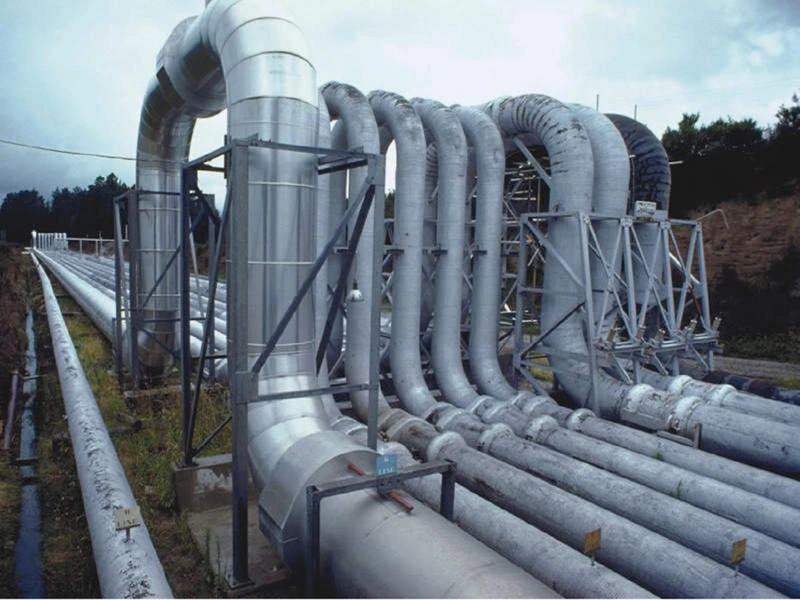
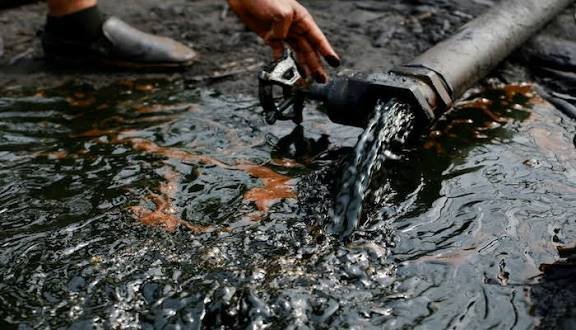
The Nigerian National Petroleum Corporation (NNPC) reported a dramatic increase in illegal tapping of pipelines across the Niger Delta, with criminal syndicates using sophisticated methods to breach lines and load stolen crude onto waiting barges and small tankers for sale on the international black market.
Major oil companies operating in the country have reported similar devastation.
A senior official from Shell Petroleum Development Company (SPDC) told journalists that theft and sabotage from its joint-venture facilities averaged over 40,000 barrels per day throughout 2011, with some estimates suggesting the current daily figure could now exceed 150,000 barrels nationwide.
Despite a 2009 presidential amnesty that largely ended militant attacks on oil facilities, large-scale commercial theft has continued unabated and even grown, turning oil bunkering into one of West Africa’s most profitable criminal industries.

The government says it is now plans a multi-pronged response that includes deploying additional security forces, expanding aerial and marine surveillance, working more closely with local communities, and introducing new technology to detect pipeline breaches in real time.
“Crude oil theft is no longer just a regional problem — it has become an economic emergency for the entire country,” the Finance Minister warned. “We are determined to confront it with every legitimate tool at our disposal.”
With oil accounting for over 90 percent of Nigeria’s export earnings and the bulk of federal revenue, officials say failure to curb the theft could force painful budget cuts and derail economic growth targets for the year.