
The Nigerian federal government has reaffirmed its commitment to bolstering security nationwide in light of a recent travel advisory from the United Kingdom, which highlighted several northern states as high-risk areas due to ongoing threats like violence, terrorism, and abductions.
The UK’s Foreign, Commonwealth and Development Office (FCDO) has strongly advised against any travel to states including Borno, Yobe, Adamawa, Gombe, Katsina, and Zamfara.
It also urged British citizens to limit trips to essential purposes only in regions such as Bauchi, Kaduna, Kano, Kebbi, Jigawa, Sokoto, Niger, Kogi, Plateau, Taraba, and certain sections of the Federal Capital Territory, pointing to increased risks of crime and potential unrest like demonstrations.
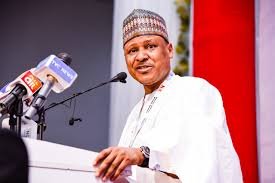
In a statement to reporters, Information and National Orientation Minister Mohammed Idris emphasized the administration’s awareness of these issues and its active steps to resolve them.
“The government is dedicated to ensuring safety for all residents and visitors throughout the nation,” Idris noted. He highlighted President Bola Tinubu’s recent overhaul of key security leadership roles and boosted funding for equipment and intelligence initiatives.
“We are confident that these challenges will be overcome soon, and we assure international visitors of their protection through strengthened protocols,” he added.
However, some state governments have pushed back against the UK’s assessment. Officials in Gombe State called the warning “misguided and unjust,” asserting that the area has maintained a reputation for stability without incidents of rebellion, community disputes, or armed raids in recent times.
Ismaila Misilli, Director-General of Press Affairs at the Gombe Government House, expressed dismay at the categorization. “Gombe stands out as one of Nigeria’s most secure and harmonious states, backed by evaluations from reliable sources and security bodies,” Misilli said.
He credited close collaborations with law enforcement for preserving peace and invited investors and partners to view the state as open and secure.
Similarly, Kano State’s administration downplayed the advisory as a standard procedure that shouldn’t spark widespread concern. Mustapha Muhammad, Chief Press Secretary to the governor, explained that local authorities are implementing targeted strategies to curb threats.
“Our leader has initiated decisive actions recently, and security teams are positioned effectively, particularly along borders to prevent incursions from neighboring areas like Katsina,” Muhammad stated. He suggested that the UK might not be fully informed about these on-the-ground efforts.
In Borno State, a hotspot for long-standing insurgent activities, officials reported notable progress in stability. Retired General Abdullahi Ishaq, Special Adviser on Security to Governor Babagana Zulum, argued that the capital, Maiduguri, is now safer than Abuja in terms of threats.
While deferring a full rebuttal to the federal level, Ishaq described ongoing tactics, including a program that encourages insurgents to defect through family interventions. “Surrenders are happening regularly, and our agricultural productivity this year reflects the improved environment,” he said.
The UK’s alert extends beyond the north, noting persistent military engagements in the North-East with possible counterstrikes, and advising caution in Maiduguri due to evacuation challenges if conditions worsen.
In the South-East and South-South, it prohibits travel to riverine zones in Delta, Bayelsa, Rivers, Akwa Ibom, and Cross River, citing militant disruptions to energy facilities and elevated dangers of robbery and kidnappings. It also mentioned separatist tensions leading to skirmishes with forces, though foreigners are rarely direct targets.
For the South-West, including Lagos, the advisory warns of prevalent urban crimes like muggings and vehicle hijackings, recommending vigilance, especially after dark.
While major terror events are uncommon, it referenced past claims by groups like Islamic State West Africa.
Nigeria’s security landscape has been marred by over a decade of insurgencies, bandit operations, independence movements, and ethnic clashes.
Boko Haram’s activities since 2009 have ravaged the North-East, while banditry plagues the North-West and Central areas. The Niger Delta faces militant crimes, and the South-East deals with separatist unrest.
In related developments, former U.S. President Donald Trump recently labeled Nigeria a “country of particular concern” over alleged threats to Christian communities from extremist factions, claiming thousands of fatalities and ordering military option reviews.

Minister Idris countered these assertions last week, revealing that 17,000 suspected terrorists are detained and rejecting claims of religious persecution.
Authorities encourage those in affected zones to stay vigilant, follow local safety guidelines, and update emergency plans. As efforts intensify, the government aims to foster a safer environment for all.