
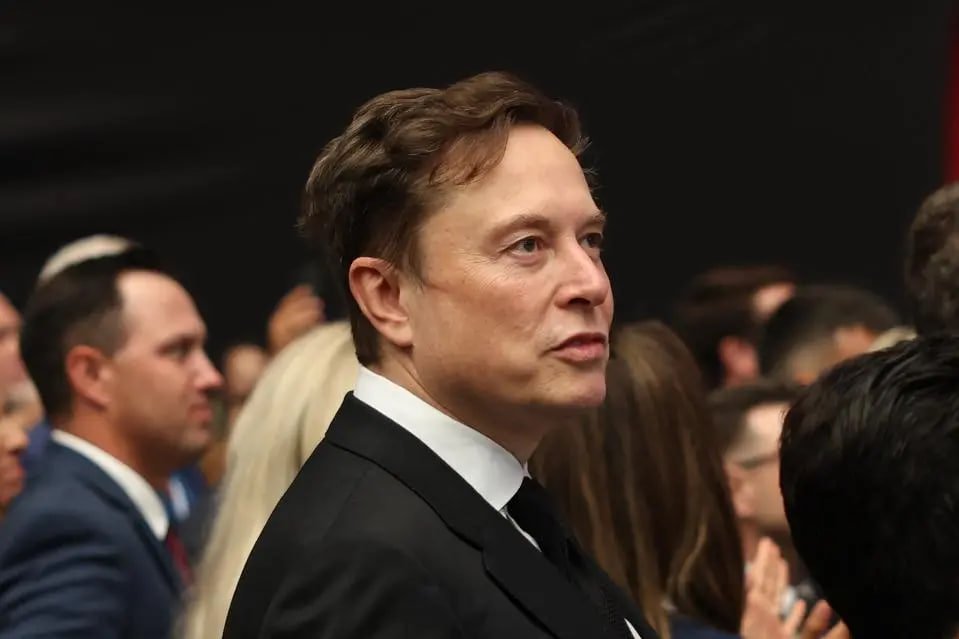
Elon Musk has once again rewritten financial history, becoming the first individual ever to exceed a net worth of $600 billion, cementing his position as the wealthiest person on the planet in 2025.
According to the latest global billionaire rankings released in mid-December, Musk’s fortune is now estimated at $677 billion, placing him more than $400 billion ahead of his closest rival.
The dramatic leap was largely driven by a sharp increase in the valuation of SpaceX, his privately held aerospace company, alongside continued strength across his technology empire.
The milestone underscores the growing dominance of technology, artificial intelligence, cloud computing, luxury goods, and long-term investing in shaping global wealth.
Below is a detailed look at the 10 richest people in the world as of December 2025 and the industries powering their fortunes.
Top 10 Richest People in the World (2025)
1. Elon Musk — $677 Billion
Key assets: Tesla, SpaceX, X, xAI
Musk’s wealth is heavily concentrated in Tesla and SpaceX, where he holds significant ownership stakes. The recent surge in SpaceX’s valuation has been the single biggest contributor to his record-breaking net worth. Rather than drawing a traditional salary, Musk’s earnings are largely equity-based, allowing him to retain long-term control of his companies.
2. Larry Page — $266 Billion
Key asset: Alphabet (Google)
A co-founder of Google, Larry Page continues to benefit from Alphabet’s dominance in digital advertising, cloud services, and artificial intelligence. Although he stepped away from daily management years ago, his shareholding and voting control keep him firmly among the world’s wealth elite.
3. Jeff Bezos — $249 Billion
Key assets: Amazon, Blue Origin
Amazon remains the backbone of Bezos’ fortune, with its cloud unit, AWS, generating the bulk of profits. While Bezos has sold some shares to fund space exploration and other ventures, the company’s long-term growth continues to boost his wealth.
4. Sergey Brin — $247 Billion
Key asset: Alphabet (Google)
Like Page, Brin’s fortune stems from early and sustained ownership in Google’s parent company. Alphabet’s expansion in AI, advertising technology, and cloud infrastructure has significantly increased the value of his holdings.
5. Larry Ellison — $243 Billion
Key asset: Oracle
Ellison’s wealth is closely tied to Oracle, where he owns a substantial stake. The company’s transition toward cloud-based enterprise solutions has strengthened its revenue outlook, directly benefiting its founder.
6. Mark Zuckerberg — $228 Billion
Key asset: Meta Platforms
Zuckerberg controls Meta through a dual-class share structure. A strong rebound in Meta’s stock, driven by cost discipline and renewed focus on AI-powered advertising, has sharply increased his net worth in recent years.
7. Bernard Arnault — $202 Billion
Key asset: LVMH
The French luxury magnate oversees a global portfolio of premium brands spanning fashion, jewelry, wines, and spirits. Arnault’s fortune reflects sustained global demand for high-end luxury goods and LVMH’s strong pricing power.
8. Steve Ballmer — $167 Billion
Key asset: Microsoft
The former Microsoft CEO remains the company’s largest individual shareholder. Microsoft’s growth in cloud computing and enterprise software has dramatically increased the value of Ballmer’s long-held shares.
9. Jensen Huang — $152 Billion
Key asset: Nvidia
Huang’s wealth has surged alongside Nvidia’s rise as a cornerstone of artificial intelligence infrastructure. Demand for high-performance chips used in data centers and AI systems has pushed Nvidia’s valuation to new heights.
10. Warren Buffett — $150 Billion
Key asset: Berkshire Hathaway
Buffett’s fortune is built on decades of disciplined investing.
Berkshire Hathaway owns major stakes in some of the world’s most valuable companies, alongside fully owned businesses across insurance, transport, and energy.
Buffett has pledged to donate the majority of his wealth to philanthropy.
A New Era of Global Wealth
The 2025 rankings highlight a widening gap at the top, with Elon Musk standing in a financial league of his own.
Technology founders, AI pioneers, and long-term investors now dominate global wealth, signaling how innovation and scale continue to reshape the world’s economic hierarchy.